Top Advantages of Robotic Welding for Modern Manufacturing Industries?
Robotic welding has transformed modern manufacturing industries. According to a recent report from Markets and Markets, the robotic welding market is projected to reach USD 7.4 billion by 2026, signifying significant growth. This increase highlights the efficiency and accuracy that robotic systems bring to welding processes.
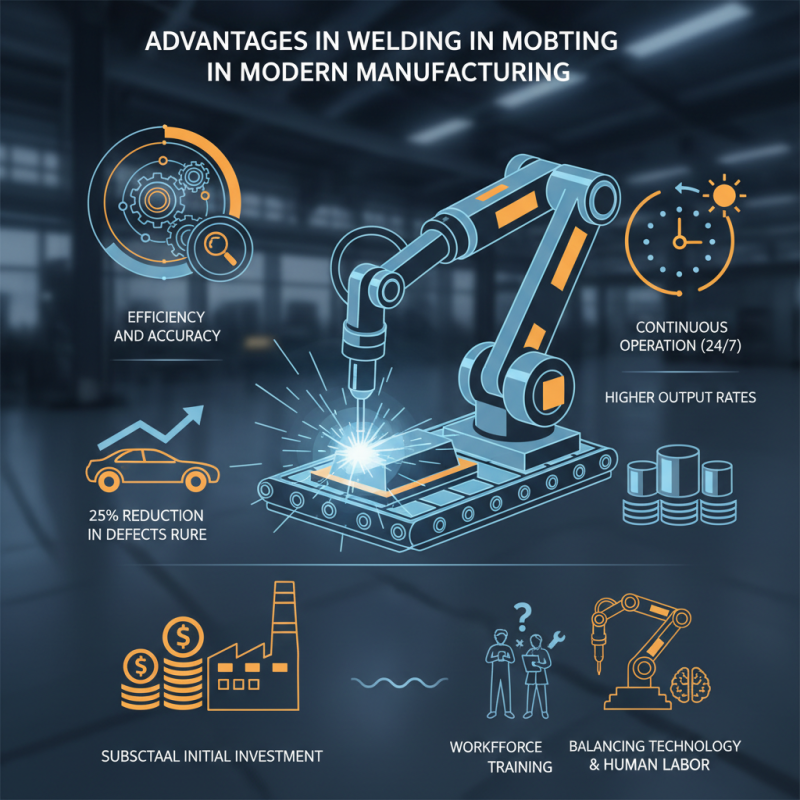
One of the key advantages of robotic welding is its ability to produce consistent, high-quality welds. In automotive manufacturing, for instance, companies report a 25% reduction in welding defects when using robotic systems. This precision reduces waste and enhances productivity. However, the initial investment in robotic systems can be substantial, which may deter some small manufacturers.
Moreover, robotic welding systems can operate continuously without fatigue. A study from the International Federation of Robotics reveals that robots can work 24/7, unlike human workers. This capability leads to higher output rates. Yet, it's crucial to consider workforce training and the potential for job displacement as robotics become more prevalent. As the industry evolves, manufacturers must reflect on how to balance technology and human labor effectively.
Benefits of Increased Precision in Robotic Welding
Robotic welding has transformed modern manufacturing. One significant advantage lies in the increased precision it offers. Robots can weld components with millimeter accuracy. This reduces the risk of defects and enhances product quality.
The consistency provided by robotic welding is unparalleled. Machines perform the same task identically, reducing human error. However, even robots can face challenges. Misalignment during setup can lead to flawed welds. It’s crucial to regularly check and calibrate machines to maintain their high standards.
Additionally, robotic welding allows for intricate designs that human welders may struggle with. Complex geometries are easier to achieve, pushing the boundaries of creativity. Still, programming these robots requires skilled operators. Mistakes in coding can result in wasted materials. The balance between precision and practicality is where improvement is always needed.
Enhancing Production Speed through Robotic Welding Technology
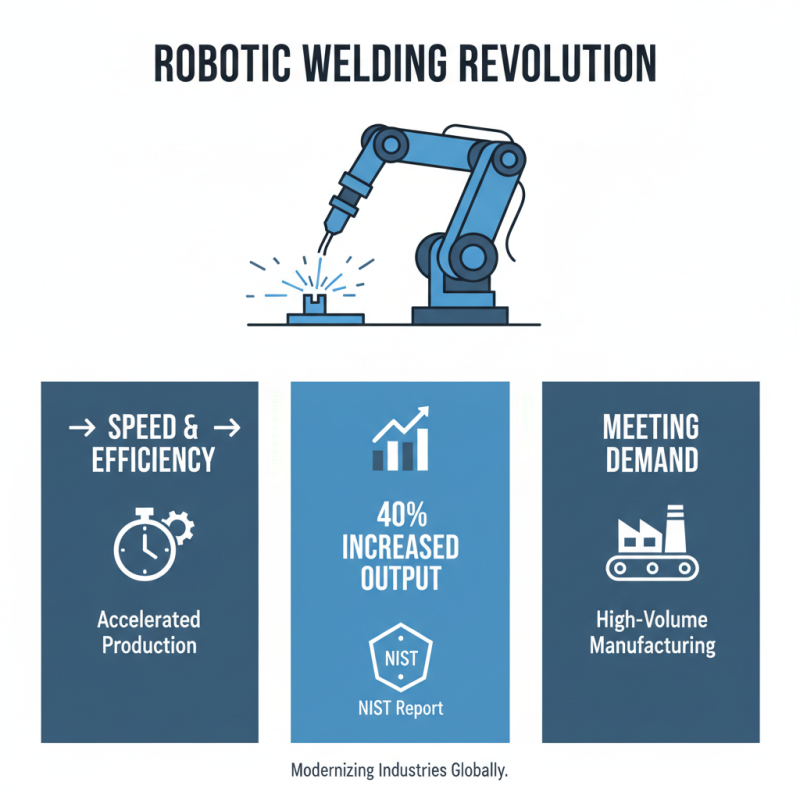
Robotic welding technology has revolutionized modern manufacturing. It enhances production speed, making processes more efficient. According to a report by the National Institute of Standards and Technology, automated welding can increase output by up to 40%. This significant boost is crucial for meeting high demand levels across industries.
Automation optimizes quality control as well. Robots maintain consistent speed and precision, reducing human error. A study from the American Welding Society noted that robotic systems can improve weld quality by over 30%. However, the initial investment can be daunting for some companies. They must evaluate their return on investment carefully.
**Tip:** Consider starting with a smaller-scale robotic welding system to test its benefits. This approach minimizes risk while allowing you to gauge efficiency improvements. Also, training staff to work with robotic systems is vital for maximizing advantages. Mistakes may happen, and adjustments are necessary as your organization evolves. Embracing flexibility is key to harnessing the true power of robotic welding technology.
Cost Efficiency and Reduction of Material Waste in Robotics
Robotic welding is changing the landscape of modern manufacturing. One major advantage is cost efficiency. By automating the welding process, companies can reduce labor costs significantly. Machines operate quickly and accurately, minimizing delays in production. This allows manufacturers to meet tight deadlines without compromising quality.
Material waste reduction is another crucial benefit. Robotic systems offer precise control over welding parameters. This precision ensures that materials are used effectively, reducing leftover scrap. Moreover, robots can adapt to various materials with ease. This adaptability can lead to less trial and error during production, further enhancing material usage.
However, the initial investment in robotic systems can be daunting. Not all companies may have the resources to make this leap. Training staff to manage and maintain these machines is also a challenge. Some might struggle to understand the technology fully. Embracing robotics requires careful planning and commitment to long-term benefits.
Improved Safety Standards in Manufacturing with Automation
Robotic welding is changing the landscape of manufacturing, especially in safety standards. Automated systems reduce human exposure to hazardous conditions. Workers are kept away from intense heat and harmful fumes. This shift greatly minimizes workplace accidents, which are prevalent in manual welding.
Tips: Ensure regular maintenance of robots. Malfunctioning equipment can lead to unsafe conditions. Regular checks help prevent potential hazards.
Moreover, robotic welding enhances precision. Consistent quality reduces the likelihood of defects, which can sometimes lead to stressful work environments. Although automation is efficient, it still requires oversight. Workers need to monitor the robots and troubleshoot when necessary. This can lead to a new type of stress.
Safety training for workers remains essential. Even with automation, understanding the technology is critical. Investing in training programs can help workers feel more secure and adept in their roles. Creating a culture of safety will continue to protect everyone involved.
Flexibility and Adaptability of Robotic Welding Systems
Robotic welding systems bring significant flexibility to modern manufacturing. These systems can quickly switch between different tasks and adjust parameters. This adaptability is vital for industries facing diverse production needs. A recent report indicates that companies using robotic welding experience a 30% increase in efficiency. This statistic highlights the importance of adaptability in today’s fast-paced market.
Moreover, robotic welders can handle complex geometries and various materials. This versatility allows manufacturers to cater to unique customer requirements. For instance, some systems can weld stainless steel, aluminum, and carbon steel without extensive reconfiguration. However, programming these robots can sometimes be challenging. Operators need training to optimize productivity fully.
Despite their advantages, robotic welding systems require a significant initial investment. Not every company can afford this upfront cost. Additionally, there is a learning curve involved in transitioning to these systems. Manufacturers must weigh the benefits against the initial hurdles. As industries evolve, the balance between investment and return will be crucial.
Top Advantages of Robotic Welding for Modern Manufacturing Industries