Top 10 Benefits of Using Sheet Metal Laser Cutting Machines?
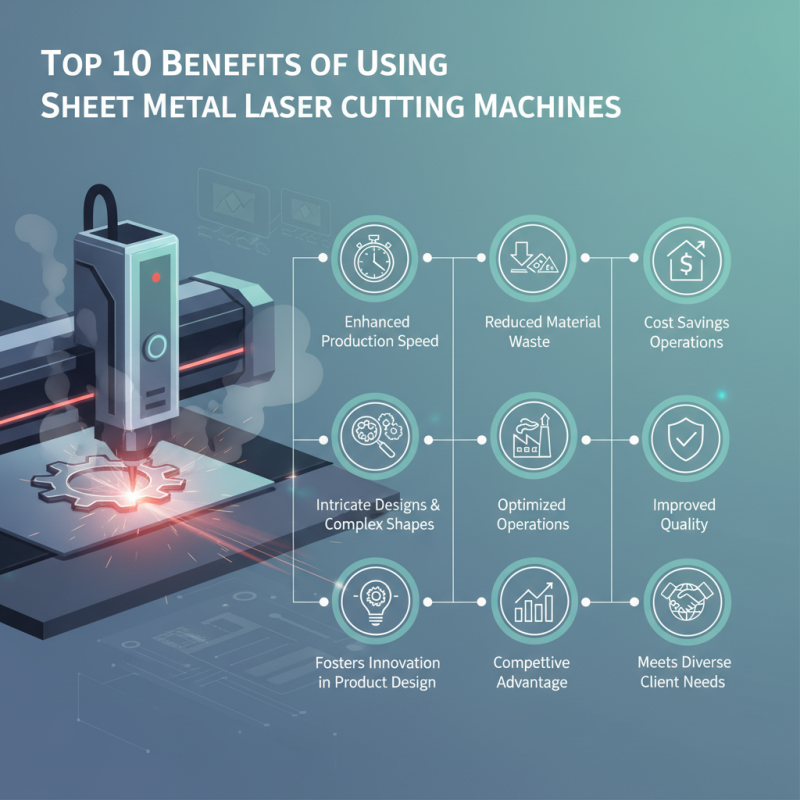
In the modern manufacturing landscape, efficiency and precision are paramount. The sheet metal laser cutting machine has emerged as a transformative tool in various industries. By utilizing advanced laser technology, it offers remarkable precision in cutting metal sheets of varying thicknesses. This capability enhances production speed and reduces waste, making it a favored choice among manufacturers.
Moreover, the versatility of sheet metal laser cutting machines allows for intricate designs and complicated shapes that traditional cutting methods struggle to achieve. This flexibility not only meets the diverse needs of clients but also fosters innovation in product design. However, the initial investment and the need for skilled operators can pose challenges for some businesses.
Despite these hurdles, the long-term benefits of adopting a sheet metal laser cutting machine often outweigh the drawbacks. Optimizing operations, improving precision, and achieving cost savings are just a few advantages that cannot be ignored. As industries continue to evolve, understanding these benefits is essential for staying competitive in today's fast-paced market.
Advantages of Precision in Sheet Metal Laser Cutting Processes
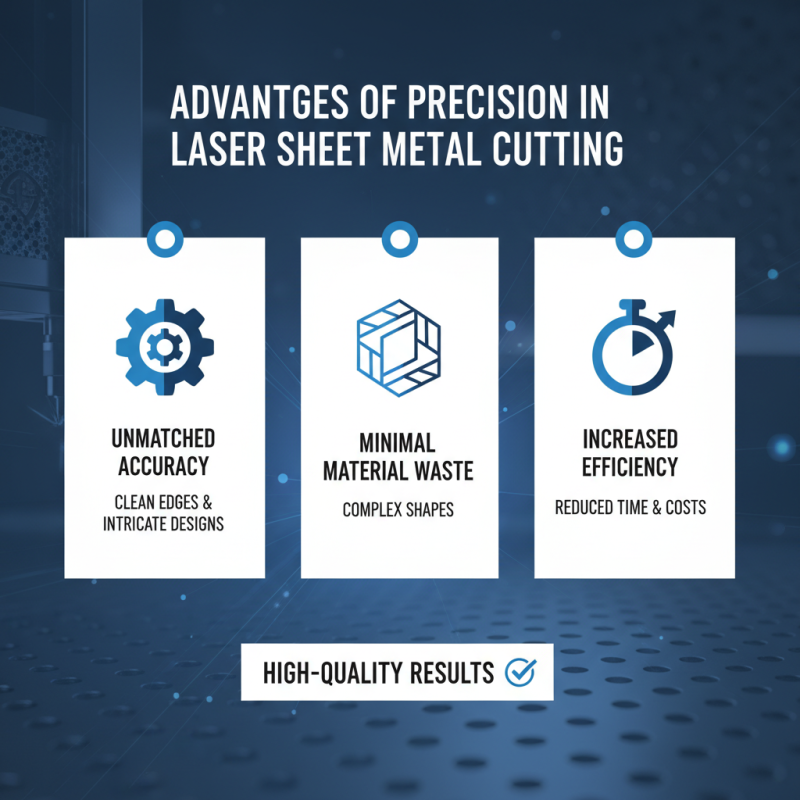
Precision in sheet metal laser cutting is crucial for achieving high-quality results. Laser cutting machines provide unmatched accuracy. This precision leads to clean edges and intricate designs. Manufacturers can create complex shapes with minimal waste. This efficiency can significantly benefit overall production time and costs.
When using laser cutting, consider the material type. Different metals react differently to laser cutting. Steel, aluminum, and copper all require specific settings for optimal outcomes. Adjusting the focus and power can lead to better results. Do not overlook this aspect, as it could lead to imperfections.
Keep in mind that occasional errors may occur. These can stem from improper calibration or machine maintenance issues. Regularly check alignment and settings to prevent mistakes. Test runs can help identify potential issues before starting larger projects. A consistent approach ensures reliability in production while minimizing setbacks. Always be open to learning from each cutting process; it can enhance skills over time.
Enhanced Design Flexibility with Laser Cutting Technology
Laser cutting technology has transformed sheet metal fabrication by offering enhanced design flexibility. This method enables intricate cuts and complex patterns that traditional methods struggle to achieve. A recent industry report highlights that over 40% of manufacturers now utilize laser cutting systems to enhance product customization. This technology accommodates various materials, from stainless steel to aluminum, allowing for unique designs that cater to specific client needs.
The precision of laser cutting significantly reduces waste. According to a study conducted by the Fabricators & Manufacturers Association, precise cuts can minimize material loss by up to
30%. However, this level of accuracy demands skilled operators who understand the intricacies of the machine. A lack of expertise can lead to suboptimal results, making training essential. Despite advancements, some manufacturers still rely on outdated methods due to cost concerns, indicating a need for awareness around long-term benefits versus initial investment.
With laser cutting, designers can rapidly prototype and iterate their concepts, fostering innovation. In fact,
60% of surveyed companies reported shorter lead times thanks to this technology. Yet, it is crucial to remember that not every design translates well into production. Some designs may be too intricate or not cost-effective. Continuous evaluation of designs and processes remains vital to maximizing laser cutting's potential while mitigating limitations.
Cost-Effectiveness through Reduced Material Waste
Laser cutting machines have revolutionized the sheet metal industry, particularly in terms of material cost-efficiency. According to a report by the International Journal of Advanced Manufacturing Technology, laser cutting can reduce material waste by up to 30%. This substantial reduction translates directly into cost savings for manufacturers. With rising raw material prices, minimizing waste has become crucial to maintaining profit margins.
Efficiency is another aspect to consider. Traditional cutting methods often lead to more offcuts. Laser cutting technology, however, provides precision that maximizes material use. This means each sheet can be utilized to its full potential, allowing for better project planning. In a study published by the American Society for Precision Engineering, manufacturers reported improved yield rates when transitioning to laser cutting solutions.
Yet, the shift to laser cutting isn’t without challenges. Initial equipment investment can be significant. Manufacturers must weigh this upfront cost against long-term savings. Some may find it hard to justify the transition. Understanding the balance between immediate expenses and future cost savings is essential. Ultimately, while laser cutting offers distinct advantages, the decision to adopt it requires careful consideration of both financial and operational impacts.
Top 10 Benefits of Using Sheet Metal Laser Cutting Machines
| Benefit |
Description |
Impact on Cost |
| Increased Precision |
Laser cutting provides high accuracy, reducing errors in dimensions. |
Minimizes material wastage and rework costs. |
| Lower Material Waste |
Laser cutting optimizes material usage, leading to less scrap. |
Saves on raw material costs. |
| Versatility |
Can cut various materials and thicknesses efficiently. |
Reduces the need for multiple machines. |
| Faster Production Times |
High-speed cutting reduces overall processing time. |
Improves output and lowers labor costs. |
| Improved Safety |
Lower risk of accidents compared to traditional cutting methods. |
Reduces potential costs from workplace injuries. |
| Less Post-Processing |
Minimal finishing required due to clean cuts. |
Lowers processing time and costs. |
| Consistency and Repeatability |
Ensures uniform results across multiple parts. |
Reduces waste and enhances quality control. |
| Environmentally Friendly |
Reduced material waste leads to a smaller environmental footprint. |
Saves costs associated with waste disposal. |
| Enhanced Design Flexibility |
Allows for complex designs that are harder to achieve with traditional methods. |
Increases market competitiveness and profitability. |
| Quick Setup and Changeover |
Faster adjustments between jobs compared to other methods. |
Decreases downtime and enhances productivity. |
Improved Speed and Efficiency in Production Workflows
Laser cutting machines have transformed production workflows by offering improved speed and efficiency. These machines can cut through various materials with precision in less time. With rapid advancements, manufacturers can now produce complex designs swiftly and accurately. This speed not only increases throughput but also reduces lead times, allowing companies to respond faster to market demands.
The efficiency gained from laser cutting reduces waste and optimizes material usage. Many processes can be automated, cutting down on manual labor. However, it's essential to consider the learning curve involved. Operators need training to maximize the potential of these machines. Without proper knowledge, companies may underutilize their new technology, slowing down their production instead of enhancing it. Efficiency isn't just about speed; it's also about making the workflow seamless and minimizing errors.
Integrating laser cutting into existing systems can present challenges. Companies must analyze how this technology fits into their current processes. Transitioning to laser cutting can mean rethinking workflows and logistics. A thorough understanding is crucial to ensure that these improvements lead to the intended benefits. Thus, while the advantages are significant, careful planning and reflection are required for optimal results.
High-Quality Finishes with Minimal Surface Damage After Cutting
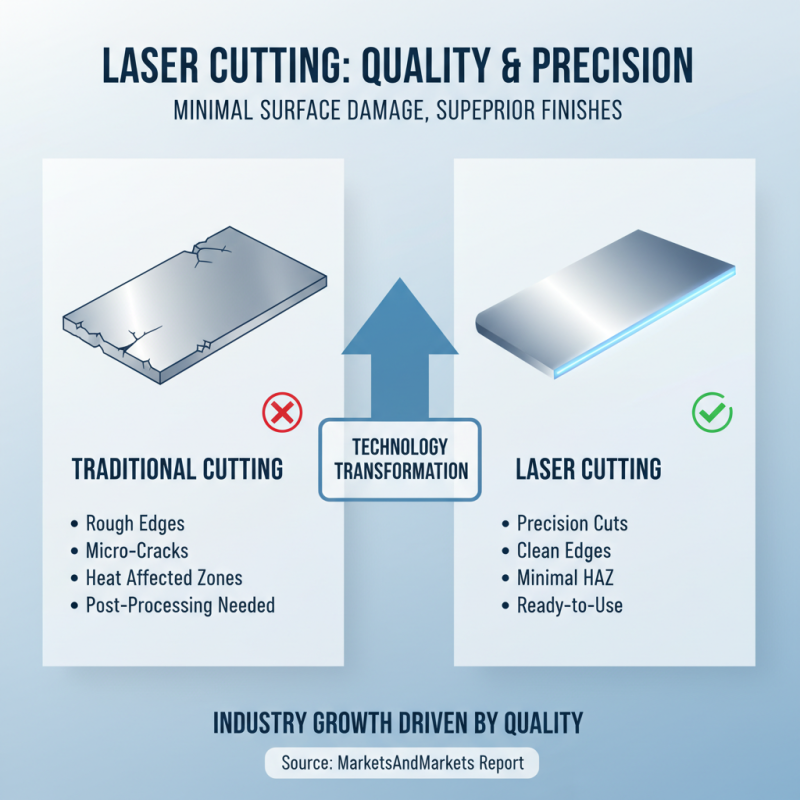
Laser cutting technology has significantly transformed the sheet metal fabrication industry. One of the most notable advantages is the achievement of high-quality finishes. Laser cutting machines create precise cuts with minimal surface damage. According to a report by MarketsandMarkets, the laser cutting market is expected to grow significantly, emphasizing the need for quality and precision in metal fabrication.
Precision is crucial in industries such as automotive and aerospace, where tolerances are tight. A study showed that laser cutting can reduce kerf width, leading to cleaner edges and less rework. Companies can save costs by minimizing secondary processes like grinding or polishing. The minimal heat affected zone (HAZ) further ensures that the surrounding material remains unscathed, preserving its structural integrity.
However, the technology is not without challenges. Operators need to be trained to adjust settings based on material types, thickness, and desired finishes. Inconsistent practice can lead to unexpected surface damage, which counters the benefits of using laser machines. The importance of operator experience cannot be understated. Properly utilized, laser cutting machines can deliver precise, high-quality results that meet growing industry demands.