Top 10 Benefits of Water Jet Cutting Machines for Buyers
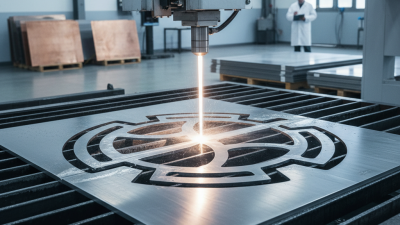
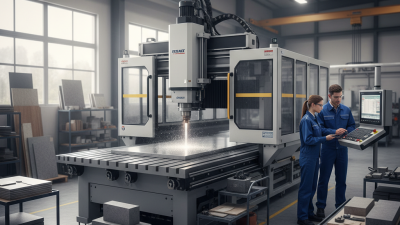
Water jet cutting machines have revolutionized the manufacturing landscape. They offer precision, versatility, and efficiency, making them essential for various industries. From automotive to aerospace, these machines deliver clean cuts without altering material properties. Buyers often overlook the numerous advantages that water jet cutting machines provide.
One major benefit is the ability to cut through a wide range of materials. This includes metals, plastics, glass, and even thick stone. The machine's capabilities can greatly enhance a company’s offerings. Moreover, the precision of the cutting process minimizes waste, saving time and materials. This efficiency can lead to significant cost reductions over time.
Another key aspect is the cutting technology's eco-friendliness. Water jet cutting uses minimal energy and eliminates harmful emissions. Yet, potential buyers sometimes question whether this technology suits their specific needs. Through careful consideration, it becomes clear that the right water jet cutting machine can lead to long-term benefits. Ultimately, investing in this technology requires thorough research and understanding of its advantages.
Advantages of Water Jet Cutting Machines in Various Industries
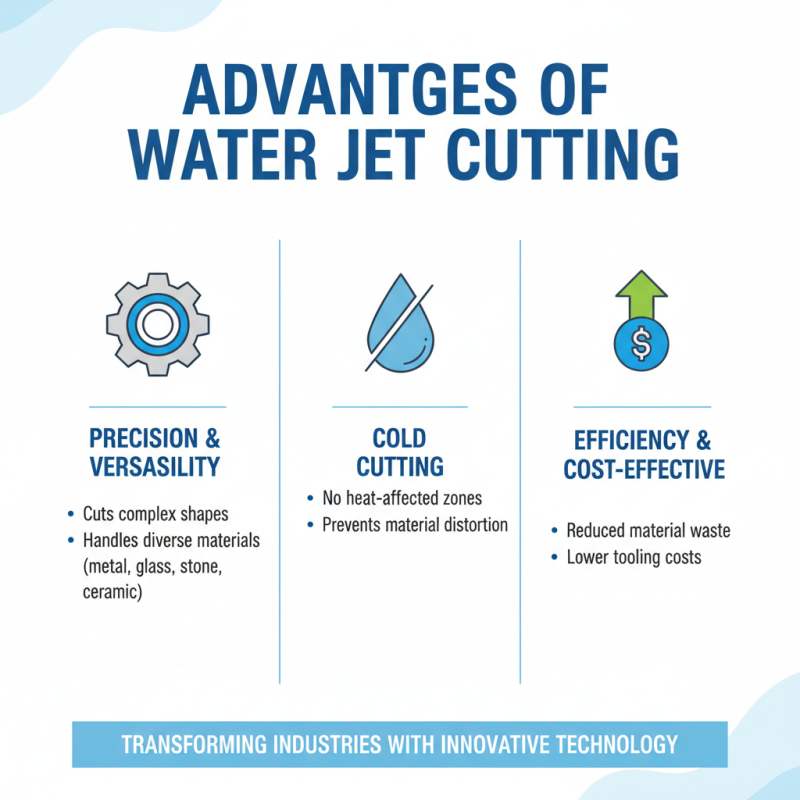
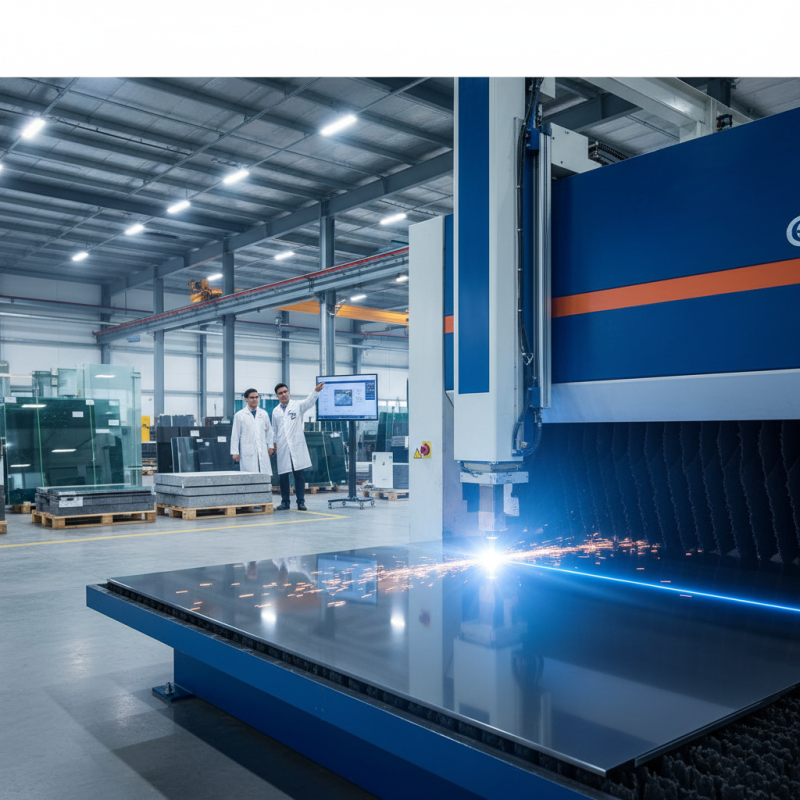
Water jet cutting machines have transformed various industries with their remarkable capabilities. These machines utilize high-pressure water mixed with abrasives to cut through materials with precision. The versatility of water jet technology allows it to handle a variety of substances, including metal, stone, glass, and ceramics. As a result, many industries benefit from this innovative method.
In the manufacturing sector, companies value the accuracy and smooth cuts provided by water jets. Unlike traditional cutting methods, water jet machines create minimal heat, reducing the risk of material distortion. Additionally, they require no secondary finishing processes due to the clean edges produced. In the stone and tile industry, water jet cutting can create intricate designs, bringing aesthetic beauty to functional surfaces. The automotive and aerospace industries also benefit, as complex shapes can be achieved without compromising structural integrity.
Despite their advantages, some businesses encounter challenges when integrating water jet cutting into their operations. The initial investment is significant, and not all workers may be trained to operate these sophisticated machines. Furthermore, while maintenance is generally low, it does require skilled technicians to ensure optimal performance. These factors require careful consideration when investing in such technology.
Enhanced Precision and Quality in Cutting Processes
Water jet cutting machines have revolutionized the manufacturing landscape. Their ability to deliver enhanced precision significantly influences various sectors. Data from leading industry reports show that water jet cutting can achieve tolerances as tight as ±0.005 inches. This level of precision is essential in industries like aerospace and automotive, where even minor deviations can lead to costly errors.
The quality of the cut is equally impressive. Unlike mechanical cutting methods, water jet cutting minimizes the heat-affected zone. This results in cleaner edges and reduced material warping. According to recent statistics, companies that utilize water jet cutting report a 30% increase in production efficiency. This data highlights the impact of adopting advanced cutting technology.
For businesses considering water jet cutting, here are a few tips. Ensure proper training for operators to maximize machine potential. Regular maintenance is crucial to maintain cutting quality. Additionally, experiment with different materials to find the best settings. Final thoughts often overlook adjustments needed for specific applications. Always seek to understand material behaviors to avoid mistakes. Embrace the learning curve inherent in new technology for continual improvement.
Top 10 Benefits of Water Jet Cutting Machines for Buyers - Enhanced Precision and Quality in Cutting Processes
| Benefit |
Description |
Industry Applications |
| Enhanced Precision |
Water jet cutting provides precise and intricate cuts, ensuring high-quality results. |
Manufacturing, Aerospace, Automotive |
| Material Versatility |
Can cut a wide range of materials including metal, glass, stone, and composite materials. |
General Manufacturing, Construction |
| No Heat-Affected Zone |
The cutting process does not produce heat, preventing warping or distortion of materials. |
Aerospace, Fine Arts |
| Minimal Waste |
The precise cutting reduces material waste and lowers costs. |
Furniture Design, Architecture |
| Safety |
The process is relatively safe as it does not produce sharp blades or high temperatures. |
Marine, Electronics |
| Environmental Friendly |
Uses water as the primary cutting medium, which is more eco-friendly than other methods. |
Construction, Recycling |
| Complex Geometry |
Easily cuts complex shapes and designs that traditional methods may struggle with. |
Art, Prototyping |
| Fast Turnaround |
Speeds up production timelines due to quick setup and operation capabilities. |
Manufacturing, Product Development |
| User-Friendly Operation |
Modern water jet machines are designed to be easy to operate with minimal training. |
Small Business, Education |
Environmental Benefits of Using Water Jet Technology
Water jet cutting technology offers significant environmental advantages. This process minimizes waste by using a precise stream of water mixed with abrasives. According to a study by the Environmental Protection Agency, water jet cutting produces nearly zero hazardous waste, unlike traditional cutting methods. This efficiency means fewer resources are consumed, contributing to lower energy usage.
Moreover, water jet machines often use recycled water, which further conserves natural resources. As reported by the Water Jet Technology Association, employing recycled water can reduce water consumption by up to 90%. This reduction not only benefits the environment but also lowers operational costs.
However, this technology still raises concerns. The abrasives used can create unnoticed pollution if not properly managed. Moreover, while energy consumption is lower than conventional methods, it isn’t completely negligible. The industry must continue to innovate, finding ways to optimize this technology for even greater sustainability. Embracing accountability in water jet cutting remains a crucial step for manufacturers and users alike.
Top 10 Benefits of Water Jet Cutting Machines
Versatility of Water Jet Cutting for Different Materials
Water jet cutting machines offer remarkable versatility, allowing for precise cutting across various materials. This adaptability is crucial for industries ranging from aerospace to manufacturing. According to a report by Research and Markets, water jet cutting technology is projected to witness significant growth, predicted to reach over $3 billion by 2025. This surge is driven by the increasing demand for accurate and efficient machining capabilities.
With water jet cutting, materials such as metals, glass, ceramics, and composites can be sliced effortlessly. The process utilizes high-pressure water mixed with an abrasive substance, ensuring minimal thermal distortion. A study by the Fabricators & Manufacturers Association indicates that this method can cut materials up to 10 inches thick with a tolerance of ±0.005 inches. Yet, challenges remain. Operators must calibrate machines accurately, as improper settings can lead to suboptimal results.
Moreover, while water jet cutting is efficient, it is not immune to wear and tear. Regular maintenance is essential to sustain precision over time. Operators need to monitor the nozzle and focusing tube's condition, as worn components can affect cutting quality. It's a delicate balance between efficiency and upkeep, requiring continuous attention for optimal production flow.
Cost-Effectiveness and Efficiency in Manufacturing Operations
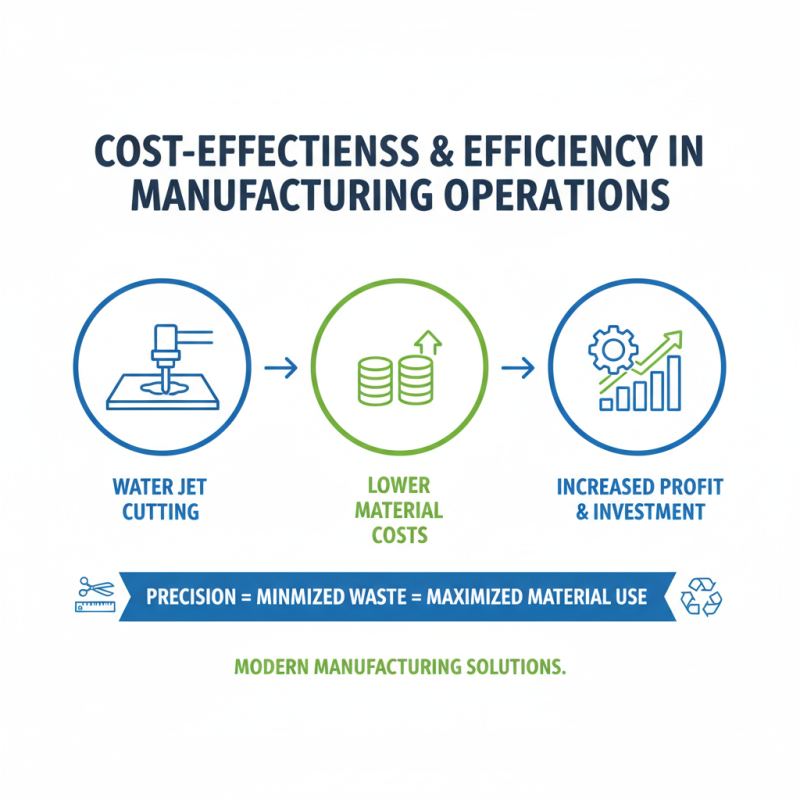
Water jet cutting machines have become indispensable in modern manufacturing. They offer a unique mix of cost-effectiveness and efficiency. The precision of these machines minimizes waste, allowing manufacturers to maximize their material use. This translates directly into lower material costs, enabling businesses to save more with each cut. When companies reduce material expenses, they can allocate funds to other crucial areas of operation.
Additionally, the operational efficiency of water jet cutting machines is notable. They can quickly and accurately cut various materials, from metals to composites. This versatility not only speeds up production but also allows for complex designs that may be difficult with traditional methods. However, initial investment costs can be high. Some businesses may hesitate due to the price tag associated with advanced technology. It is an important consideration for smaller manufacturers.
Moreover, the choice to adopt water jet technology requires proper training for staff. Efficiency can be compromised without skilled operators. Therefore, companies must reflect on the balance between cost savings and training investments. In the long run, choosing water jet cutting can lead to significant gains if managed wisely. It pushes businesses to rethink their operations and embrace innovation, even if the path may present challenges.