Top 10 Best Metal Welding Techniques for Beginners?
Metal welding is a vital skill in various industries, from construction to automotive. According to the American Welding Society, there will be a need for nearly 400,000 skilled welders in the U.S. by 2024. This demand highlights the importance of mastering effective welding techniques, especially for beginners.
New welders often struggle with basic techniques, facing challenges such as improper heat settings or incorrect material choices. Learning the right techniques can prevent defects and improve safety. For instance, a common mistake is inadequate preparation of the metal surface, which leads to weak joints. These missteps raise questions about the weld's integrity and reliability.
Focus on essential methods is crucial. Techniques like MIG, TIG, and stick welding each have unique advantages. Yet, beginners often overlook the importance of practice and patience. Recognizing this can pave the way for mastering the craft. With proper guidance and persistent effort, anyone can become proficient in metal welding.
Essential Safety Precautions for Beginners in Metal Welding
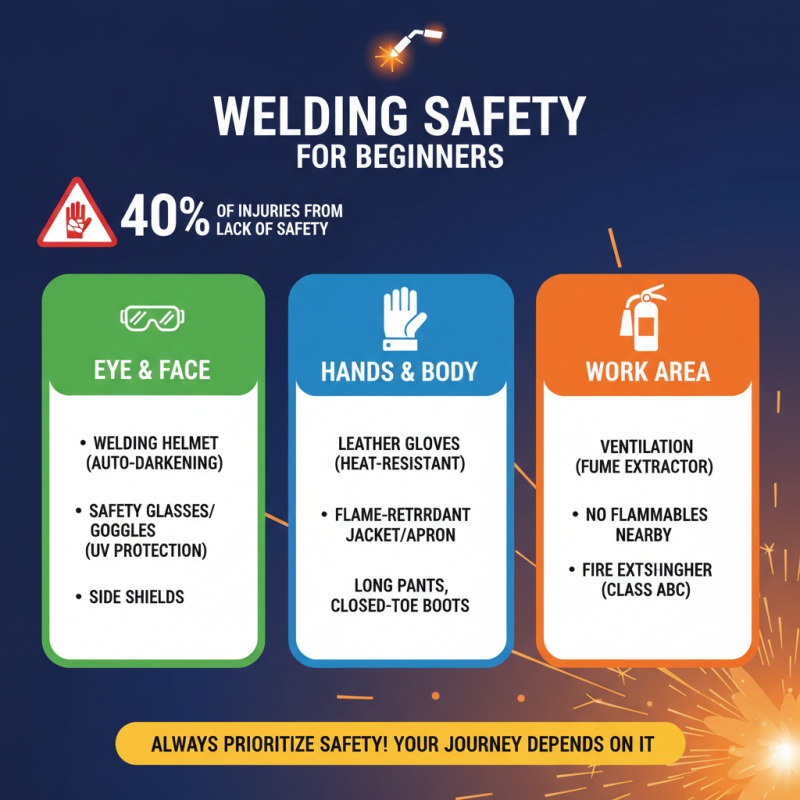
Welding can be an exciting journey, but safety should always come first, especially for beginners. Studies indicate that nearly 40% of welding injuries are due to inadequate safety measures. As a beginner, understanding essential safety precautions is key to ensuring both your safety and the success of your projects.
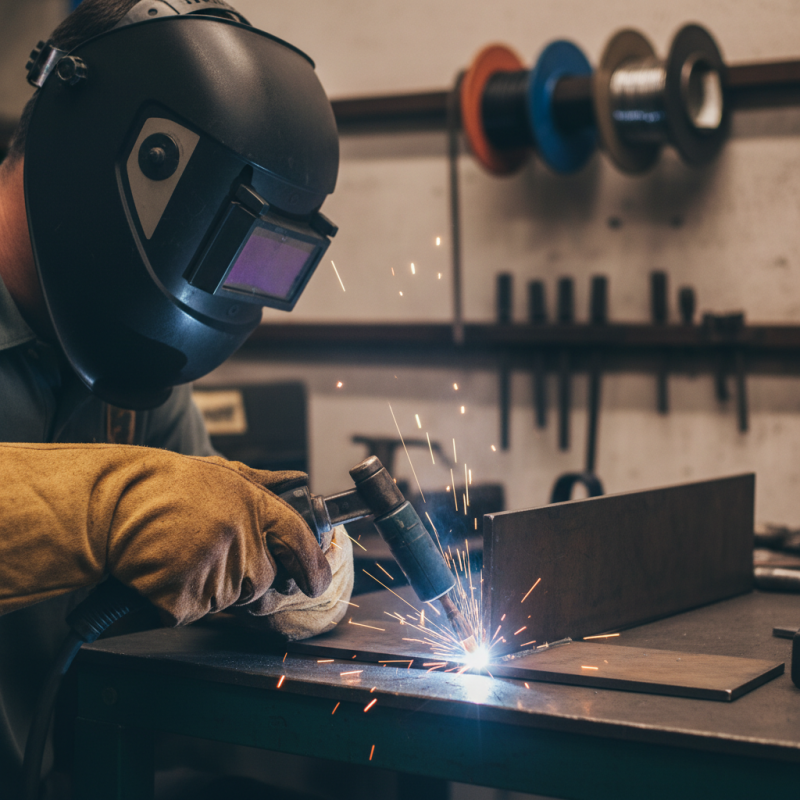
Always wear appropriate protective gear. A welding helmet, gloves, and protective clothing are non-negotiable. These items help prevent burns and eye damage. Remember, sparks can fly, and molten metal is a real hazard. Don't skip these basics, even if you’re eager to weld.
Tips: Keep your work area clean. Clutter can lead to accidents and make it harder to focus on the task at hand.
Ventilation is another crucial aspect. While it can be tempting to weld indoors, ensure proper airflow. Fumes from welding can be harmful. Lack of ventilation can lead to serious health issues over time.
Remember, complacency can lead to mistakes. Make it a habit to double-check your equipment before starting. This simple step can save you from major accidents. Your safety and well-being are worth the effort.
Overview of Common Metal Welding Techniques and Their Applications
Welding is a crucial skill in various industries. There are several techniques available, each suitable for different applications. For beginners, understanding these techniques is vital. MIG welding is popular due to its ease of use. It’s ideal for thin metals. However, it may produce spatter, which can be a challenge for novices. It’s important to practice keeping a steady hand while welding.
TIG welding offers precision. It is perfect for stainless steel and aluminum. This method requires more skill and concentration. A beginner might struggle with the torch and filler rod coordination. Stick welding, while versatile, can be messy and may leave slag that needs cleaning up afterward. Many beginners find it tough to master the arc length required.
According to industry reports, over 50% of welding professionals use MIG as their primary technique. It emphasizes the balance of accessibility and functionality. However, each technique has its complexities. New welders should not be discouraged by initial difficulties. Learning to troubleshoot issues and refining skills is essential in mastering welding techniques for future projects.
Top 10 Best Metal Welding Techniques for Beginners
Step-by-Step Guide to MIG Welding for Beginners
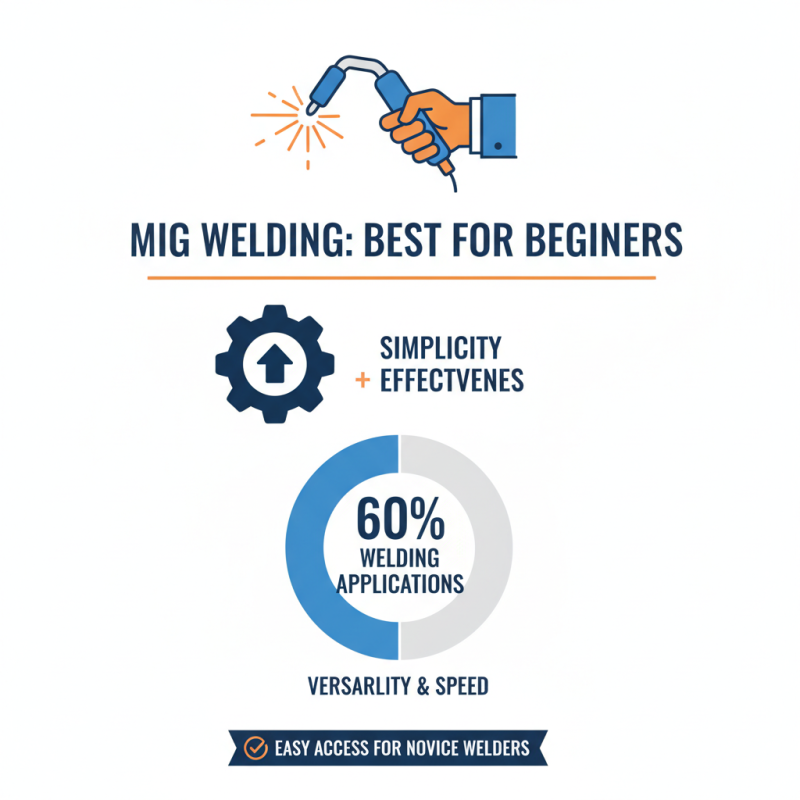
MIG welding is a popular choice for beginners. It combines simplicity with effectiveness, making it accessible for novice welders. According to industry reports, MIG welding accounts for nearly 60% of welding applications today due to its versatility and speed.
Start by preparing your workspace. Wear protective gear like gloves and a welding helmet. Clean the metal surfaces to remove rust or contaminants. The cleaner the metal, the better the weld. Set your welder parameters according to the metal thickness you're working with. Too high settings can create burn-throughs.
While welding, maintain a steady hand. Angling the gun correctly helps with penetration and bead shape. Remember to move at a consistent speed. Inconsistent movement can lead to weak welds or defects.
Tips: Always practice on scrap metal before starting your project. This builds confidence. After a few attempts, review your welds critically. Look for signs of burn-through or lack of fusion. Reflect on what went wrong. This will improve your technique over time. Develop patience; learning takes time!
The Basics of TIG Welding: Techniques and Tips
TIG welding, or Tungsten Inert Gas welding, is a precise technique suited for beginners. It requires practice and patience. This method uses a non-consumable tungsten electrode. The welder manually feeds filler material into the weld pool. It can feel overwhelming at first. Controlling the heat is crucial, as too much can cause burn-through.
Setting up the equipment is a key step. Ensure the right gas flow and choose the correct tungsten size. The welder's stance matters too. A comfortable position helps maintain control. Many beginners struggle with maintaining a steady arc length. This can lead to inconsistent welds. Practice on scrap metal before tackling projects. A visible difference will show quickly.
Don’t rush the process. It’s natural to make mistakes. Learn from these errors, and adjust techniques accordingly. Each weld is an opportunity for improvement. Consistent practice will build confidence and skill. Keep a close eye on the puddle. Watch how the metal behaves; this will guide you. With time, TIG welding can become a valuable skill.
Understanding Arc Welding: Principles and Best Practices
Arc welding is a foundational technique in metal fabrication. It utilizes an electric arc to melt and join metals. This method requires precision and practice. According to the American Welding Society, around 30% of new welders struggle with maintaining a stable arc. This can lead to inconsistent welds and unsatisfactory results.
Beginners often face challenges in controlling the arc length. A gap that’s too wide causes unstable arcs. Conversely, a gap that’s too short can cause excessive spatter. Understanding the balance is crucial for success. Industry reports show that only about 45% of novice welders achieve the desired weld quality in their initial attempts. This highlights the importance of practice and feedback.
Proper safety measures are essential. Welders should use high-quality protective gear. Yet, many beginners overlook this vital aspect. The National Institute for Occupational Safety and Health found that improper safety precautions lead to increased injuries among inexperienced welders. Striking a balance between safety and productivity is critical for long-term success in arc welding.
Top 10 Best Metal Welding Techniques for Beginners
| Technique |
Description |
Best Practice |
| MIG Welding |
Uses a continuous wire feed and an inert gas to shield the weld. |
Keep a consistent wire feed speed and distance from the material. |
| TIG Welding |
Involves a non-consumable tungsten electrode and requires a filler rod. |
Maintain a steady hand and control the heat input carefully. |
| Stick Welding |
Uses a coated electrode that melts to join metals together. |
Adjust the arc length for better penetration and weld quality. |
| Flux-Cored Arc Welding |
Similar to MIG but uses a hollow wire filled with flux. |
Be mindful of the slag that forms and clean it properly. |
| Submerged Arc Welding |
Welds are covered by a granular flux, enhancing efficiency. |
Use the right flux composition to prevent defects. |
| Electroslag Welding |
A high-speed welding method ideal for very thick materials. |
Ensure proper alignment of parts being welded. |
| Resistance Welding |
Uses heat generated by electric resistance to weld metals. |
Select appropriate pressure and current settings for materials. |
| Laser Welding |
Utilizes focused laser light to melt the materials together. |
Optimize the speed and focus of the laser for precision. |
| Plasma Arc Welding |
A highly controlled arc is used to weld with high precision. |
Adjust the nozzle distance for optimal arc stability. |