How to Choose the Best Tools for Metal Cutting in Your Workshop
Choosing the right tools for metal cutting is a crucial aspect of any workshop, whether you're a seasoned professional or a passionate hobbyist. The effectiveness and precision of your metal cutting process not only depend on your skills but also significantly on the tools you select. With numerous options available, from saws and shears to plasma cutters and laser systems, navigating this landscape can be challenging. It's essential to understand the specific requirements of your projects, the types of metals you will be working with, and the desired outcomes to make informed decisions.
In this guide, we will explore key considerations when selecting metal cutting tools. We will discuss various factors, including the thickness and hardness of the materials, the level of precision required, and the type of cuts you need to make. Additionally, we will emphasize the importance of safety, efficiency, and cost-effectiveness in your choices. By the end of this discussion, you will be equipped with the knowledge you need to confidently choose the best tools for metal cutting in your workshop, ensuring both quality and satisfaction in your metalworking projects.
Understanding Different Types of Metal Cutting Tools Available
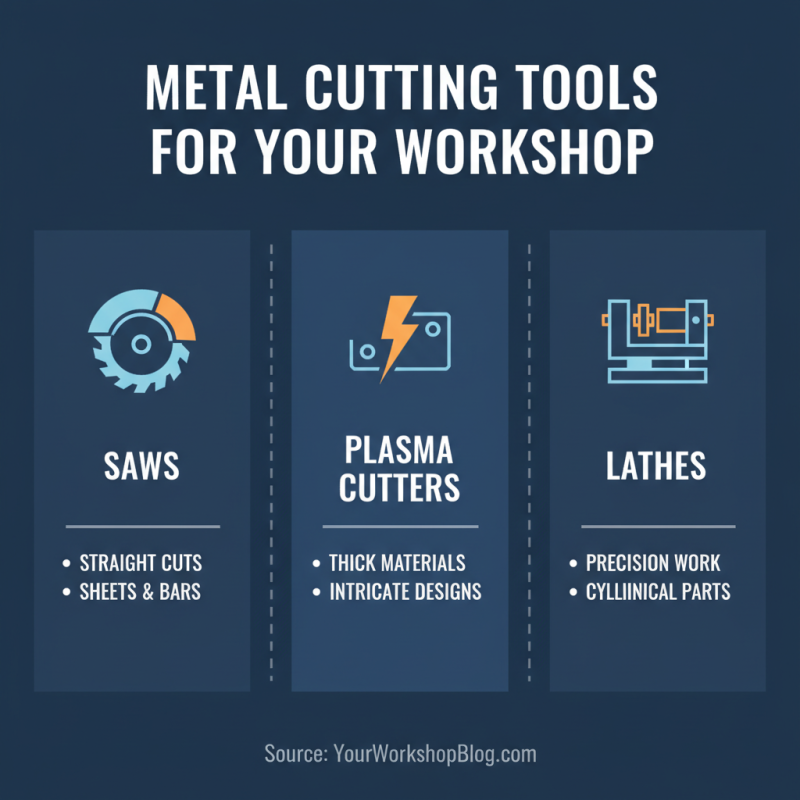
When selecting the best metal cutting tools for your workshop, it's essential to understand the various types available, as each tool serves a specific purpose. Some of the most common types include saws, plasma cutters, and lathes. Saws, whether band saws or circular saws, are ideal for making straight cuts in metal sheets and bars. Plasma cutters, on the other hand, excel at cutting through thicker materials quickly and accurately, making them a preferred choice for more intricate designs. Lathes are versatile tools that allow for precision work on cylindrical metal parts, enabling shaping and smoothing.
Tips for choosing the right tools include assessing the materials you plan to work with and the types of cuts or shapes you want to achieve. Always consider the thickness of the metal, as not all tools can handle thicker materials effectively. Additionally, investing in high-quality tools can make a significant difference in performance and durability. Regular maintenance and proper care will also prolong the lifespan of your tools, ensuring they remain efficient for years.
Lastly, don't overlook safety equipment. Protective gear, such as safety glasses and gloves, is essential while operating metal cutting tools. Creating a safe and organized workspace can also enhance productivity and reduce the risk of accidents, making your workshop experience smoother and more enjoyable.
Evaluating Your Workshop Needs and Project Requirements
When selecting the best tools for metal cutting in your workshop, a thorough evaluation of your workshop needs and project requirements is essential. Analyzing the types of projects you'll be working on is crucial. For instance, if your primary focus is on thicker materials, tools such as band saws or plasma cutters may be necessary. According to a report by the Metal Cutting Institute, approximately 40% of workshop professionals indicate that their performance heavily relies on selecting tools that match the specific thickness and material properties of the metals they work with, highlighting the importance of tailored tool choices.
Additionally, consider the volume of work you anticipate. High-production environments may benefit from automated cutting machines or CNC routers, which can significantly enhance efficiency and precision. The Bureau of Labor Statistics reported that workshops using advanced technologies saw up to a 25% increase in output compared to traditional methods. Understanding the capacity of your workshop—both in terms of space and power supply—will also influence the type of tools you can effectively utilize. In essence, taking a comprehensive approach to assess your specific needs and anticipated projects will guide you in investing in the most suitable metal cutting tools for enhanced productivity and quality in your workshop.
How to Choose the Best Tools for Metal Cutting in Your Workshop
| Tool Type |
Cutting Method |
Material Suitability |
Project Application |
Notes |
| Band Saw |
Linear Cutting |
Steel, Aluminum, Wood |
Straight Cuts in Larger Materials |
Great for precision and resawing. |
| Angle Grinder |
Rotary Cutting |
Steel, Stainless Steel |
Cutting, Grinding, and Finishing Edges |
Versatile; requires safety gear for use. |
| CNC Plasma Cutter |
Plasma Cutting |
Steel, Copper, Brass |
Intricate Designs and Shapes |
Requires a controlled setup and training. |
| Table Saw |
Cross Cutting & Rip Cutting |
Aluminum, Plastic |
Sheet Materials and DIY Projects |
Suitable for controlled environments. |
| Laser Cutter |
Laser Cutting |
Steel, Acrylic, Wood |
High Precision Cuts & Engraving |
Requires ventilation and safety measures. |
Key Features to Look for in Metal Cutting Tools
When selecting metal cutting tools for your workshop, several key features should guide your decision-making process. Firstly, the tool's material composition plays an essential role in its effectiveness and durability. High-speed steel (HSS) and carbide are among the most common materials. HSS tools offer a good balance of strength and cost-effectiveness for moderate cutting tasks, while carbide tools, although pricier, provide superior hardness and wear resistance, making them ideal for heavy-duty applications.
Another critical aspect to consider is the tool’s geometric design, which directly impacts cutting performance. Look for tools with sharp cutting edges and optimized angles that enable swift and precise cuts. The presence of features such as chip breakers can further enhance efficiency by reducing the build-up of material during cutting. Additionally, a comfortable grip and ergonomic design can significantly improve handling and reduce fatigue during prolonged use, increasing productivity in your workshop. Always assess these qualities to ensure you select the right tool that meets your specific metal cutting needs.
Comparing Cost vs. Quality in Tool Selection
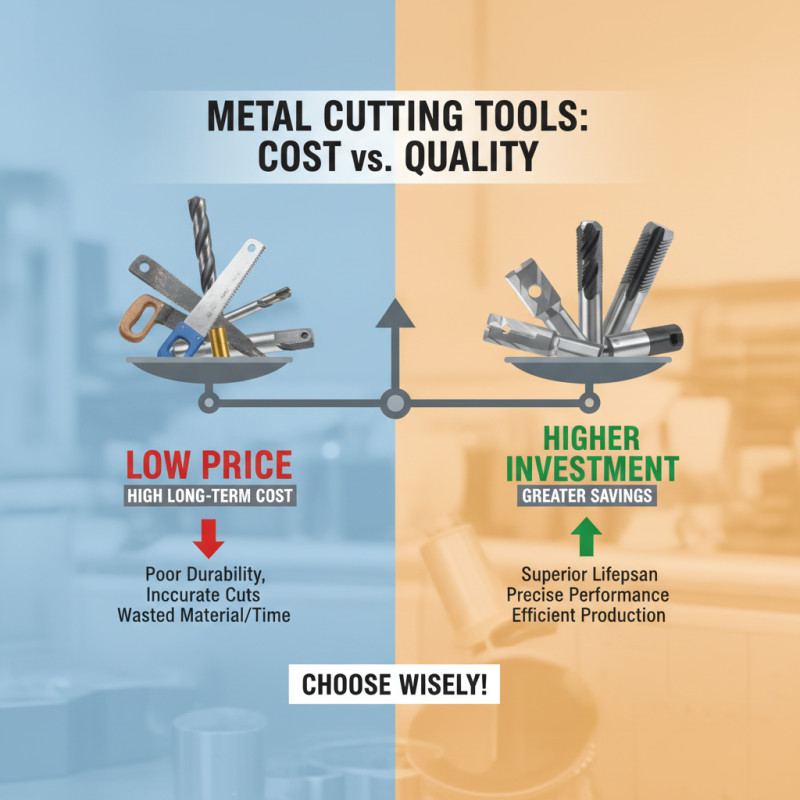
When selecting metal cutting tools for your workshop, it is crucial to weigh the cost against the quality of the tools. Oftentimes, lower-priced options may initially seem attractive for budget-conscious individuals, but investing in higher-quality tools can yield significant benefits in terms of durability and performance. Cheaper tools may wear out quickly or fail to deliver precise cuts, resulting in wasted materials and time, which can ultimately lead to greater costs in the long run.
On the other hand, high-quality tools often come with advanced features that enhance their efficiency and effectiveness. They are typically designed to handle more demanding tasks, providing cleaner cuts and a better finish on your workpieces. Additionally, considering the long-term value of durable, high-quality tools can lead to substantial savings. As they require fewer replacements and repairs over time, the initial higher investment can prove worthwhile. Careful evaluation of both cost and quality can ensure that the tools you choose ultimately align with your metalworking needs and ambitions.
Maintenance and Care for Longevity of Metal Cutting Tools
Proper maintenance and care of metal cutting tools are essential for enhancing their longevity and ensuring optimal performance in your workshop. Regular cleaning is a crucial first step; after each use, tools should be wiped down to remove metal shavings, dust, and any residue that may accumulate. This prevents the buildup of contaminants that can lead to corrosion and wear. For more thorough maintenance, consider using appropriate cleaning agents and lubricants that are safe for the specific materials of your tools. Additionally, inspect the cutting edges regularly for signs of dullness or damage, as prompt sharpening can restore efficiency and extend the life of the tools.
Furthermore, proper storage is vital in preserving the quality of metal cutting tools. Tools should be kept in a dry, organized space to protect them from moisture and accidental damage. Using toolboxes or racks can help maintain their condition by preventing them from becoming entangled or knocked against one another. Additionally, protective sheaths can be applied to cutting edges to reduce the risk of chipping or dulling. By taking these maintenance and care steps, you can ensure that your metal cutting tools remain reliable and effective, ultimately saving time and resources in the long run.
Metal Cutting Tools Comparison: Durability and Care