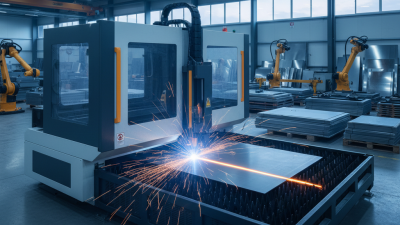
What is a laser cutting machine and how does it work?
Laser cutting machines are revolutionizing manufacturing processes across various industries. According to Dr. Emily Tran, a leading expert in laser technology, "Laser cutting machines are the future of precision engineering." This statement underscores the significant impact of these devices. As technology evolves, laser cutting machines become more efficient and versatile.
These machines utilize focused laser beams to cut through materials with remarkable precision. They can handle metals, plastics, wood, and fabrics, offering endless possibilities in design and production. The ability to achieve intricate details is a game-changer for many sectors. However, challenges exist, such as the need for ongoing maintenance and operator training.
Moreover, there's a constant debate about the sustainability of laser cutting processes. While they are efficient, energy consumption can be high. Companies must evaluate the environmental impact carefully. Investing in advanced machines may lead to significant savings, but the initial cost can be daunting. This balance of efficiency and cost remains a point of reflection for many businesses considering laser cutting technology.
What is a Laser Cutting Machine?
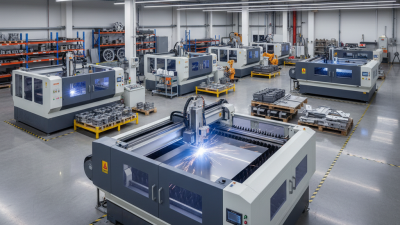
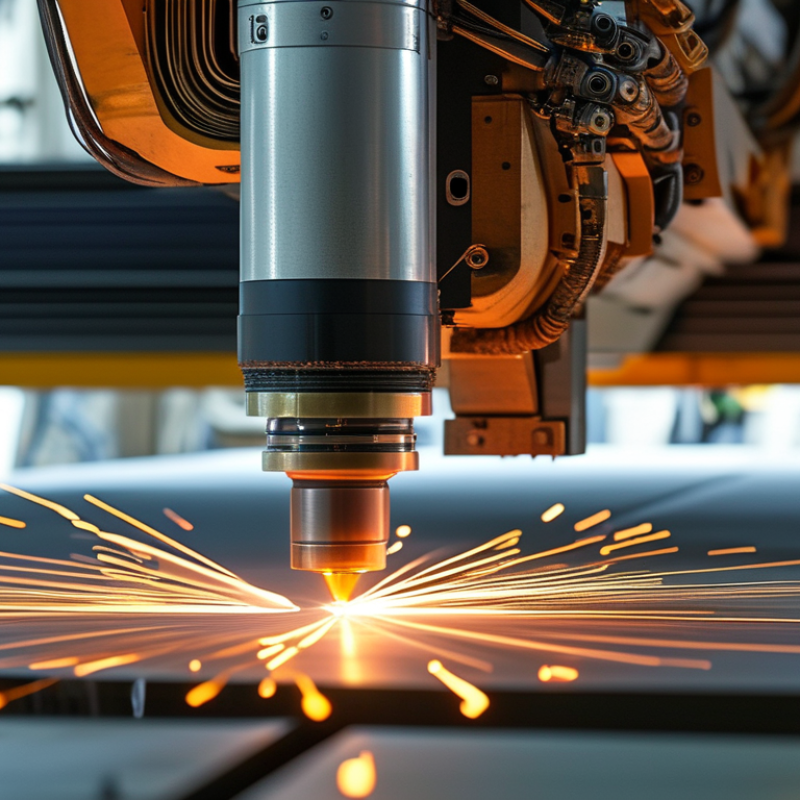
A laser cutting machine is an advanced tool used in various industries to cut materials with high precision. These machines employ a focused laser beam to melt, burn, or vaporize material, creating clean cuts. The technology has gained popularity due to its ability to handle intricate designs and diverse materials, including metals, plastics, and wood. According to a report by MarketsandMarkets, the global laser cutting market is projected to reach USD 3.38 billion by 2025, highlighting its widespread adoption.
The core functionality of a laser cutting machine lies in its ability to control the laser beam's intensity and focal point. This precision allows for complex shapes to be cut efficiently. For instance, the maximum thickness laser cutters can handle varies by material type. Typically, CO2 lasers can cut through up to 25mm of wood or acrylic, while fiber lasers excel at cutting metals with thicknesses of around 10mm. However, achieving optimal results requires skilled operators who understand material properties and laser settings. Improper use can lead to material damage or reduced cut quality.
Data from the International Journal of Advanced Manufacturing Technology indicates that while laser cutting technology offers speed and accuracy, it also presents challenges. Factors such as heat-affected zones and post-processing requirements can complicate operations. Industry experts stress the importance of ongoing training and adaptation to new technologies to maximize benefits. Embracing these challenges can lead to improved processes and innovations.
What is a Laser Cutting Machine and How Does It Work?
| Feature |
Description |
| Type of Laser |
CO2, Fiber, and Nd:YAG lasers are commonly used. |
| Materials |
Can cut through metals, plastics, wood, glass, and textiles. |
| Cutting Thickness |
Varies by machine and material, from 0.1mm to over 25mm. |
| Precision |
High precision with tolerances as low as +/- 0.1mm. |
| Application Fields |
Used in manufacturing, automotive, aerospace, and textiles. |
| Operating Principle |
Focuses a high-powered laser beam to melt or vaporize material. |
| Software Used |
Compatible with CAD software for design and precision cutting. |
| Advantages |
High speed, accuracy, and ability to cut complex shapes. |
| Safety Measures |
Includes fume extraction, protective eyewear, and safety interlocks. |
Basic Components of a Laser Cutting Machine
A laser cutting machine is a precision tool that uses high-powered lasers to cut through materials. The basic components of such a machine include the laser source, focusing lens, motion system, and control software. Each component plays a vital role in achieving accurate cuts and efficient production.
The laser source, often a CO2 or fiber laser, generates the beam with immense power. This beam travels through mirrors to focus on the material surface. The focusing lens narrows the beam to a fine point, enhancing its cutting ability. According to industry reports, laser cutting speeds can reach up to 120 inches per minute, greatly improving productivity.
The motion system is crucial for precise movements. It includes motors and guides that help position the material accurately beneath the laser. Control software allows operators to adjust parameters such as speed and power. This flexibility is essential for different materials, whether metal, wood, or plastic.
When using a laser cutting machine, proper maintenance is essential. Keep the lenses clean to ensure optimal performance. Regular inspections can prevent costly breakdowns. Adjusting your settings based on material can improve efficiency and reduce waste. Each cut should be refined through testing to find the ideal approach, reflecting the importance of experience in achieving the best results.
How Laser Cutting Works: The Process Explained
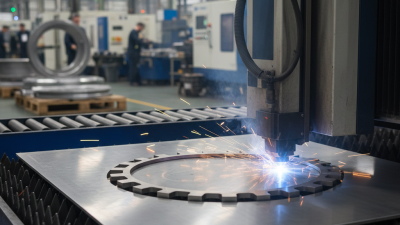
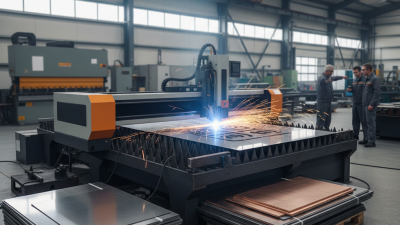
Laser cutting is a precise and efficient method used in various industries. The process begins with focusing a high-powered laser beam on the material to be cut. As the laser moves along a pre-programmed path, it emits energy that melts or vaporizes the material, leaving a clean edge. This method can cut through metals, plastics, and even wood with remarkable accuracy.
The effectiveness of laser cutting lies in its ability to produce intricate designs that would be difficult to achieve with traditional cutting methods. It is important to select the correct power settings for the specific material. This can involve some trial and error. Inconsistent settings may result in uneven cuts or burnt edges.
Moreover, the cooling process is critical for materials that are sensitive to heat. A cooling strategy may be needed after cutting to prevent distortion. Understanding these factors contributes to improved outcomes. While the technology is impressive, its successful application involves a learning curve. Experimentation and adjustments often reveal the potential challenges of the process.
Applications of Laser Cutting Technology
Laser cutting technology has revolutionized various industries, providing precision and efficiency in manufacturing processes. In the automotive sector, for instance, laser cutting is employed for producing intricate components such as brackets and panels. A study from Market Research Future indicates that the global laser cutting market is expected to reach USD 5.8 billion by 2025, reflecting a compound annual growth rate of 6.2%. This surge is driven by the increasing demand for high-quality materials and the need for cost-effective production methods.
In the aerospace industry, laser cutting is essential for creating lightweight yet durable components. The ability to cut complex shapes from metals and composites with minimal waste is a significant advantage. According to the International Journal of Advanced Manufacturing Technology, laser cutting can achieve tolerances of ±0.1 mm, surpassing conventional methods. However, it's crucial to note that not every application benefits equally from this technology. Certain materials may require specific considerations, such as thickness and surface treatment, to ensure optimal results.
Textile manufacturing also utilizes laser cutting for fabric design and pattern making. The technology allows for rapid prototyping and reduces lead times significantly. A report by Technavio highlights that the textile industry is likely to see a 5% increase in laser cutting adoption due to these advantages. Nonetheless, the initial investment in laser cutting machines can be steep, posing challenges for small businesses. Thus, evaluating the return on investment is essential before transitioning fully to this technology.
Advantages and Limitations of Laser Cutting Machines
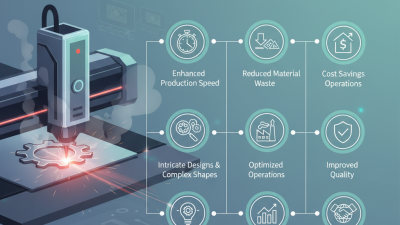
Laser cutting machines have revolutionized manufacturing, offering precision and versatility. Their primary advantage is the ability to cut complex shapes with minimal material waste. According to a 2023 industry report, laser cutting technology can boost production efficiency by up to 30%. This efficiency is crucial in sectors like automotive and aerospace, where precision is vital.
However, there are limitations. Laser cutting can be less effective on reflective materials, which may lead to inconsistent cuts. Additionally, operating costs can be high due to maintenance and energy consumption. For instance, figures indicate that businesses may spend up to 15% of their operational budget on laser equipment upkeep. This highlights the need for firms to weigh the benefits against potential operational hurdles.
When utilizing laser cutting, consider material types and settings carefully. Fine-tuning laser power and speed is essential for optimal results. Experimenting with settings can lead to better outcomes, but it requires time and understanding. Investing in training for operators can significantly improve efficiency and reduce mistakes. Recognizing the learning curve can help mitigate errors in the production line.