What is Sheet Metal Nesting Software and How Does It Work?
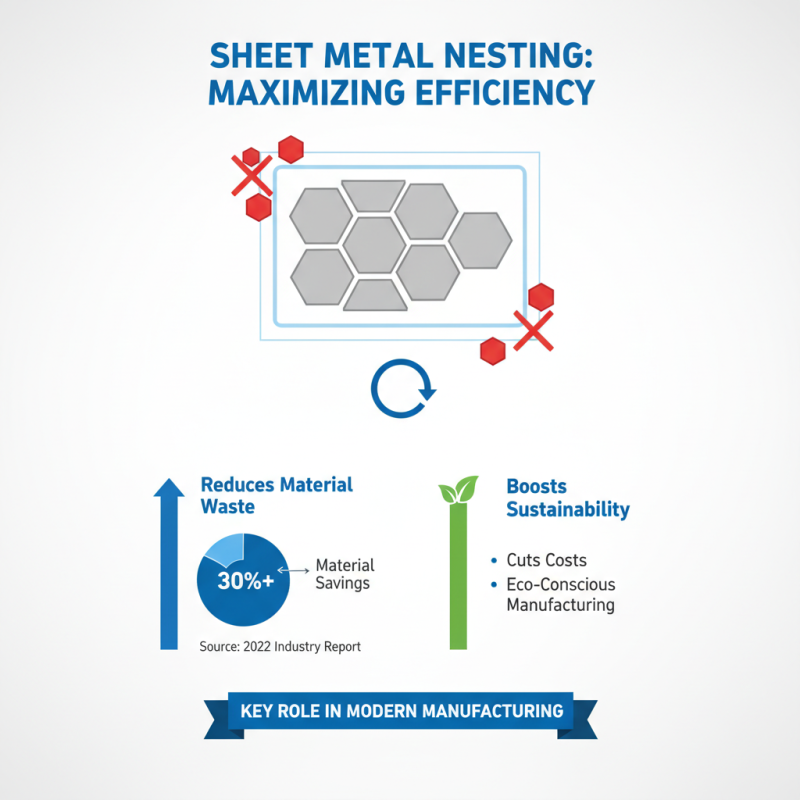
Sheet metal nesting software is a vital tool for manufacturers. It optimizes the layout of flat sheets during cutting processes. This software minimizes material waste and maximizes efficiency. By organizing parts within a given area, it saves time and resources.
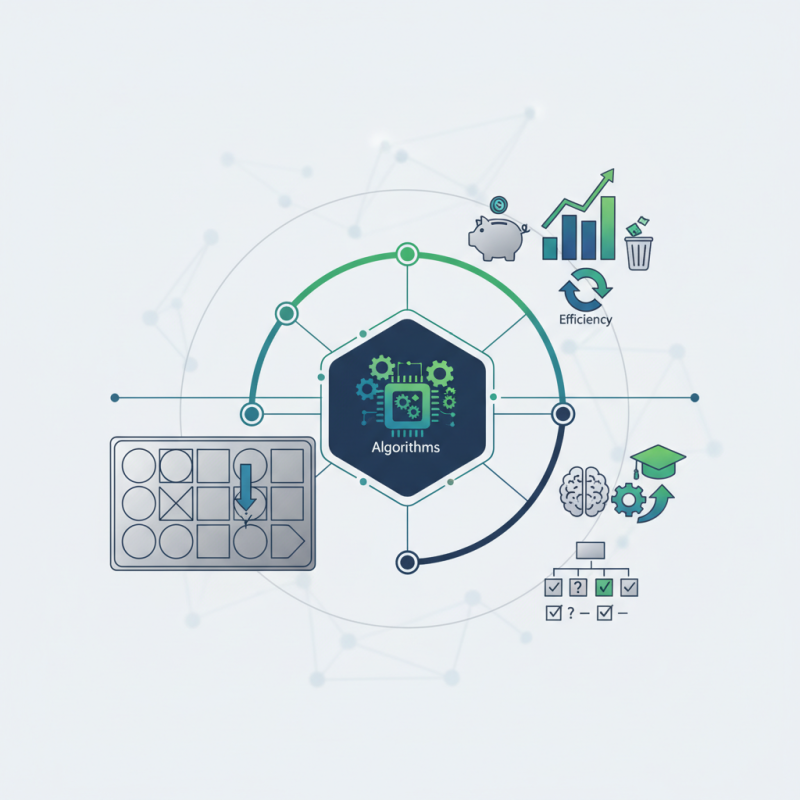
The technology uses algorithms to determine the best arrangement of parts. Complex designs can complicate the nesting process. Users might face challenges when inputting variable parameters. Yet, adapting the software to unique needs leads to better outcomes.
Understanding the software's capabilities is essential for businesses. It allows for higher productivity and reduces costs. However, some may find it difficult to master. Continuous learning and adaptation are crucial for effective use of sheet metal nesting software.
What is Sheet Metal Nesting Software?
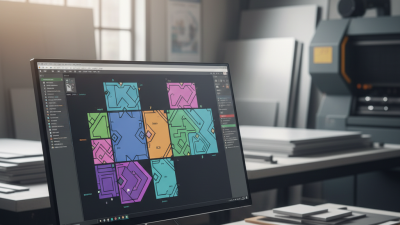
Sheet metal nesting software is a specialized tool used in manufacturing. Its primary function is to optimize sheet metal cutting layouts. By arranging multiple pieces of metal on a single sheet, it minimizes waste and reduces costs. This software plays a crucial role in industries such as construction, automotive, and aerospace.
The software uses advanced algorithms to analyze various shapes and sizes. It factors in the dimensions of the sheets and the required parts. Users input design specifications, and the software generates optimal layouts. One potential drawback is the need for precise input. Inaccurate dimensions may lead to inefficiencies or material waste. This could require additional adjustments and time, which can be frustrating.
Another point to consider is the learning curve associated with this software. While many programs offer user-friendly interfaces, mastering all features takes time. Users might struggle to understand nesting strategies fully. Therefore, ongoing training and practice are vital. Effective use of nesting software can significantly enhance productivity, but only if the user commits to refining their skills.
Steel Sheet Usage by Thickness
How Sheet Metal Nesting Software Works: A Step-by-Step Overview
Sheet metal nesting software is designed to optimize the cutting process. It uses algorithms to fit various shapes into the least amount of material. This saves time and reduces waste. Operators input designs into the software. The program then calculates the best arrangement.
Here’s how it works. The software begins with the dimensions of the sheet metal. It analyzes the patterns to be cut, considering the grain direction and size. It generates a layout that minimizes scrap. Users can adjust parameters for specific needs. Sometimes, results may not be perfect. A small amount of waste can still occur.
Tip: Regularly update your software to ensure efficiency. Outdated versions may not include the latest features. Also, double-check your designs before running the program. Small errors can lead to larger issues in production. It’s crucial to keep refining your process for better outcomes.
In summary, effective nesting relies on precise inputs and good software functions. Don't hesitate to tweak configurations based on your experiences. Each iteration can provide insights for improvement.
Key Features to Look for in Sheet Metal Nesting Software
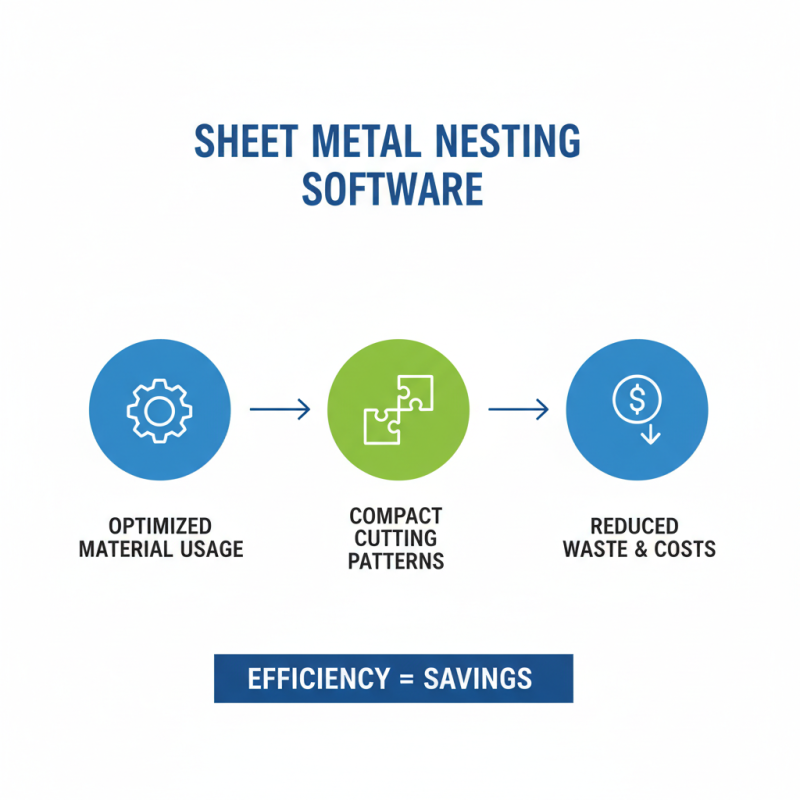
When considering sheet metal nesting software, key features make a significant difference. Efficiency is paramount. The software should optimize material usage, reducing waste. It should provide the ability to arrange cutting patterns compactly. This minimizes leftover materials, ultimately saving money.
User-friendly interfaces are also essential. Even those with limited technical skills should navigate the software easily. Features like drag-and-drop functionality foster accessibility. Additionally, integration with existing systems is crucial. The software must work seamlessly with design and production software to enhance workflow.
Flexibility is another vital aspect. The software should adapt to various metal types and thicknesses. It should handle complex shapes efficiently, ensuring precision. However, some users might find certain features overwhelming. It’s essential to evaluate your needs against the software’s capabilities. Testing different programs can be enlightening. The right choice will ultimately lead to improved productivity and cost savings, making it worth the effort.
Benefits of Using Sheet Metal Nesting Software in Production Processes
Sheet metal nesting software plays a crucial role in manufacturing. It optimizes the layout of sheet metal parts. This reduces waste and maximizes efficiency. The software efficiently arranges various shapes. By doing so, it ensures that every inch of material is utilized. This can lead to significant cost savings over time.
Using nesting software comes with numerous benefits. It enhances production speed, reducing the time spent on cutting and preparation. Less wasted material also means lower expenses. However, it’s essential to train staff properly. Misusing software can lead to unnecessary errors. Sometimes, the most complex layouts require human intervention, which introduces additional challenges.
The software can also analyze different configurations. This helps in making informed decisions on design adjustments. Yet, relying solely on automation has its drawbacks. Occasionally, it may overlook simpler solutions that a skilled eye could catch. Balancing technology with human expertise remains vital. It’s about optimizing processes, but not at the cost of losing valuable craftsmanship.
What is Sheet Metal Nesting Software and How Does It Work? - Benefits of Using Sheet Metal Nesting Software in Production Processes
| Dimension |
Description |
Benefits |
| Cost Efficiency |
Minimizes material waste and optimizes the use of raw materials. |
Reduces overall production costs. |
| Time Savings |
Automates the nesting process, saving time in planning and layout. |
Increases production speed and efficiency. |
| Design Flexibility |
Allows for various shapes and designs in the layout process. |
Enhances creativity in product development. |
| Software Integration |
Seamlessly integrates with CAD/CAM systems for smooth operations. |
Improves workflow across departments. |
| Improved Accuracy |
Reduces human error in layouts and cutting plans. |
Ensures precise cuts and dimensions. |