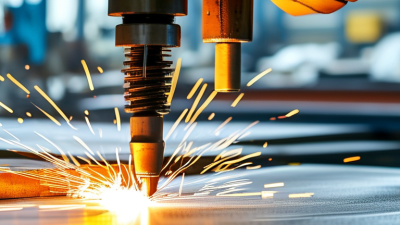
Why choose sheet metal water jet cutting when lasers and plasma systems are widely available? The answer begins with control. A high-pressure water stream, often mixed with fine abrasive, separates metal without creating a heat-affected zone. This cold-cutting action helps protect material properties, especially in stainless steel, aluminum, copper, and reflective alloys. Edges remain clean. Warping is less likely.
Dr. Mohamed Hashish, a recognized waterjet technology pioneer, described abrasive waterjet technology as “a flexible and versatile manufacturing process.” That flexibility matters in real workshops. Operators can cut intricate brackets, narrow slots, and irregular profiles from thin or thick sheet metal. The process also reduces the need for secondary grinding in many applications. It can support prototypes, custom parts, and short production runs without expensive hard tooling.
Still, precision is not automatic. No machine is perfect. No operator should promise flawless results without checking material thickness, nozzle condition, abrasive flow, and programming quality. Small errors can appear as taper, roughness, or slight dimensional drift. That is why experienced fabricators inspect the first cut, measure critical features, and adjust parameters before repeating the job. Sheet metal water jet cutting becomes especially valuable when heat damage, tight tolerances, and complex geometries create competing demands. The technology is powerful, but careful preparation remains essential. That detail is easy to overlook.
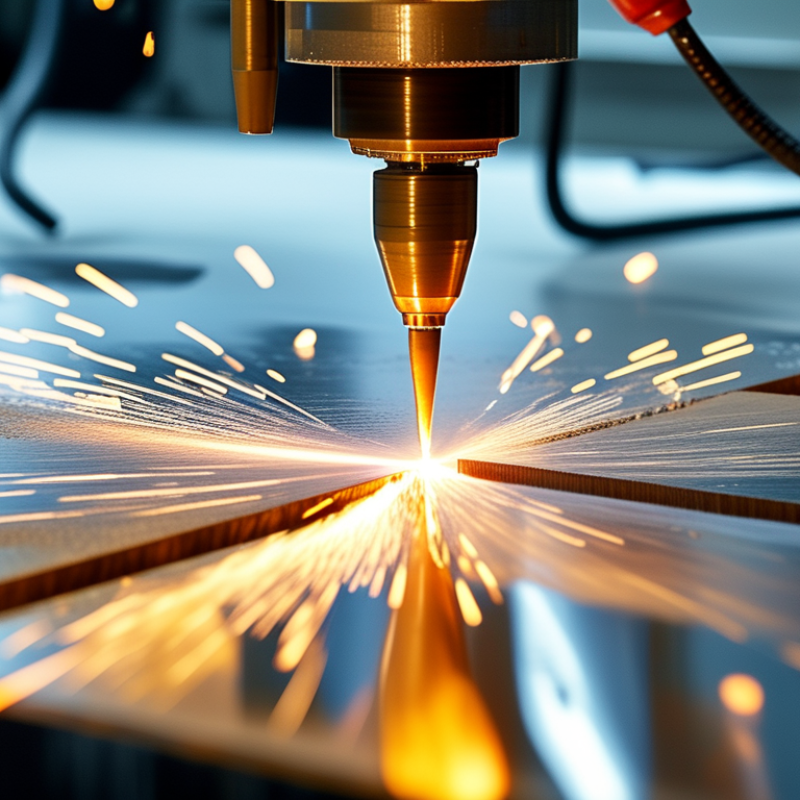
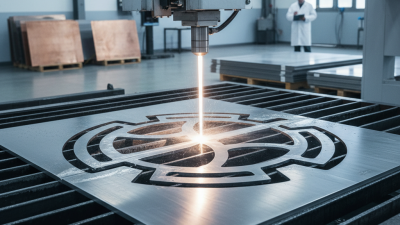
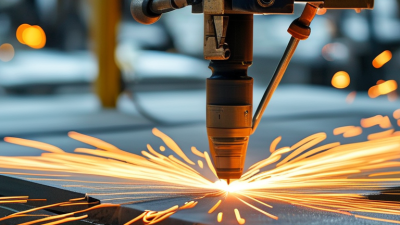
Sheet metal water jet cutting uses a focused stream of water to shape metal sheets. The stream often carries abrasive particles, such as garnet, for cutting harder alloys. A high-pressure pump drives the mixture through a tiny nozzle. The jet follows digital cutting paths controlled by computer-guided equipment. Unlike heat-based methods, it creates little heat-affected material near the cut edge. This helps protect sensitive finishes and reduce thermal distortion. The process can produce intricate profiles, narrow slots, and detailed openings. It also handles varied thicknesses, although speed and accuracy depend on setup.
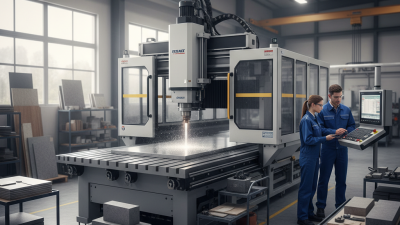
In practical fabrication, operators secure the sheet on a support bed and verify its flatness. They check nozzle condition, abrasive flow, pressure, and cutting speed before production. Small adjustments matter. A worn nozzle can widen the kerf or soften corners. Water jet cutting suits stainless steel, aluminum, mild steel, and other approved sheet materials. It does not automatically guarantee perfect tolerances. Warping, vibration, material stress, and poor programming can still affect results. For critical parts, a trial cut and measured inspection provide stronger evidence than assumptions. That discipline reflects real workshop experience.
Tips: Keep protective film when suitable, confirm the material grade, and request a sample edge inspection. Leave enough spacing between nested parts to prevent cutting errors. Ask whether secondary deburring or cleaning is needed. The edge may feel smooth, but abrasive residue can remain. Do not judge precision from appearance alone; measure key dimensions with calibrated tools.
Water jet cutting begins with filtered water entering a high-pressure pump. The pump commonly reaches 40,000–60,000 psi, according to technical guidance from the Waterjet Technology Association. Water then passes through a tiny sapphire or diamond orifice. The stream can look harmless, yet it leaves the nozzle faster than 600 meters per second.
For sheet metal, abrasive cutting adds fine garnet inside a mixing chamber. The abrasive particles provide the real cutting force. A CNC head follows digital geometry, moving across the sheet without creating a heat-affected zone. That matters for stainless steel, aluminum, and heat-sensitive coatings. Peer-reviewed manufacturing studies commonly report kerf widths near 0.8–1.2 millimeters, depending on nozzle size, pressure, material, and travel speed.
The jet enters the metal, erodes a narrow path, and finishes inside a water-filled catcher tank. Small adjustments control edge taper, surface roughness, and dimensional accuracy. The process is precise, but not perfect. A worn orifice can widen the stream and quietly damage tolerances. Cutting too quickly may leave striations on the lower edge. Practical operators therefore inspect the nozzle, verify abrasive flow, and test a small profile before production. That extra step often prevents expensive rework.
Why Choose Sheet Metal Water Jet Cutting for Precision?
Why Water Jet Cutting Delivers Precision
Water jet cutting delivers precision by removing metal without heat. A focused stream of water and abrasive travels through sheet metal at extreme pressure. The cut edge stays cool, clean, and free from a heat-affected zone. This matters when working with stainless steel, aluminum, or thin reflective sheets. According to the 2024 Global Waterjet Cutting Machine Market analysis by MarketsandMarkets, the sector is projected to grow at more than 7% annually through 2028. That growth reflects demand for tighter tolerances and flexible production.
In practical workshops, a well-tuned system can often achieve tolerances near ±0.003 inch, depending on thickness, material, nozzle condition, and cutting speed. The International Organization for Standardization also evaluates thermal-cut edge quality through ISO 9013, giving engineers a structured language for comparing results. Water jet cutting avoids many distortion problems found in thermal methods. Still, it is not flawless. Taper may appear near the lower edge, especially during fast cutting or when the abrasive stream weakens. I have seen a perfect top profile hide a rougher underside. That detail deserves inspection. Operators should measure both faces, verify abrasive flow, and adjust speed around corners. Precision is built through calibration, maintenance, and patient checking, not pressure alone.
Typical engineering values for abrasive water jet cutting; actual results vary with material, thickness, machine condition, nozzle selection, and cutting speed.
| Precision Dimension | Typical Water Jet Result | Why It Supports Precision | Practical Consideration |
|---|---|---|---|
| Dimensional tolerance | Approximately ±0.10 to ±0.25 mm for many production parts | CNC-controlled nozzle movement provides consistent tool-path accuracy without thermal distortion. | Tighter tolerances may require slower cutting, calibration, and secondary finishing. |
| Kerf width | Commonly about 0.8 to 1.2 mm with abrasive cutting | The narrow stream allows detailed profiles and efficient nesting of parts. | Kerf depends on nozzle diameter, water pressure, abrasive flow, and cutting speed. |
| Heat-affected zone | None; the process is cold cutting | The absence of heat prevents thermal hardening, melting, discoloration, and heat-related warping. | This is useful for heat-sensitive alloys, laminated materials, and parts requiring stable metallurgy. |
| Material thickness range | Thin sheet metal through plates exceeding 100 mm on suitable equipment | The cutting action is not limited by the material’s electrical conductivity or melting point. | Cut quality and speed generally decrease as thickness increases. |
| Compatible materials | Stainless steel, carbon steel, aluminum, copper, brass, titanium, stone, glass, and composites | Abrasive particles provide the cutting action, so the method works with conductive and non-conductive materials. | Material-specific tests may be needed for brittle, layered, porous, or highly reflective materials. |
| Edge taper | Often approximately 0.05° to 0.30° with standard cutting conditions | Advanced multi-axis or taper-compensation cutting can reduce the angle through the thickness. | Higher accuracy settings usually reduce cutting speed and increase operating cost. |
| Part geometry | Complex 2D contours, slots, holes, sharp corners, and nested profiles | The narrow jet and CNC path can follow intricate designs without custom hard tooling. | Very small holes should be evaluated against material thickness to avoid poor aspect ratios. |
| Surface condition | Smooth upper edge with progressively striated texture at higher cutting speeds | Slower precision passes produce a more uniform edge and reduce visible cutting marks. | Additional deburring or finishing may be specified for sealing, sliding, or cosmetic surfaces. |
| Part distortion | Low thermal distortion compared with heat-based cutting methods | Cold cutting preserves the original mechanical properties and reduces heat-induced deformation. | Residual stress in rolled sheet or an inadequately supported workpiece can still affect flatness. |
| Setup flexibility | No dedicated cutting die; CAD/CAM programs can be changed quickly | Digital programming supports prototypes, replacement parts, and varied production batches. | Fixturing, material support, abrasive management, and water treatment remain important for repeatability. |
Why Choose Sheet Metal Water Jet Cutting for Precision?
Sheet metal water jet cutting suits stainless steel, aluminum, copper, brass, and mild steel. It also handles titanium and layered materials with careful setup. The process uses a narrow abrasive stream, often producing kerfs near 1 mm wide. No heat-affected zone forms around the cut. This protects painted surfaces and reduces warping in thin sheets. According to Grand View Research’s 2024 waterjet cutting machine report, the market is expected to grow at about 7.2% annually through 2030. That growth reflects demand for flexible, low-distortion production.
The best designs include intricate profiles, small internal holes, slots, and mixed contours. Water jet cutting works well for prototypes and short production runs. It can cut thick plates, but very thin sheets need firm support. Otherwise, vibration may reduce edge quality. Practical tolerances often approach ±0.1 mm, depending on thickness, equipment, and inspection methods. I have found that sharp inside corners still need review. A perfect drawing does not guarantee a perfect part.
Tips: Keep narrow bridges wider than the abrasive stream. Add lead-ins outside the finished profile. Avoid tiny holes in thick metal. Request a test cut when surface finish matters. Material certificates and dimensional inspection records also strengthen process reliability.
Cutting quality depends on more than water pressure. Material type, sheet thickness, hardness, and surface condition all influence the final edge. Stainless steel may cut differently from aluminum, even at the same thickness. The abrasive flow rate also matters. Too little abrasive can leave rough edges, while too much increases waste and operating cost.
Cutting speed requires careful control. Fast movement lowers machine time, but it can create taper, striations, or a less accurate corner. Slower movement usually improves detail, although it consumes more abrasive and energy. Nozzle condition is another practical factor. A worn nozzle can enlarge the kerf and shift dimensions. Small errors become obvious around holes and narrow slots.
Measure twice.
Cost also changes with setup time, programming complexity, material usage, and part quantity. Tight tolerances often require slower passes or secondary inspection. Nesting parts efficiently can reduce sheet waste, but crowded layouts may complicate cutting paths. In real production, the cheapest quote is not always the lowest final cost. Rework, delayed inspection, and rejected edges can outweigh a small cutting-price difference. A useful specification should state tolerance, edge quality, thickness, and inspection requirements before production begins. Some assumptions fail. Test cuts help expose them.