Top Uses of Industrial Sheet Metal in Modern Manufacturing?
In the world of modern manufacturing, industrial sheet metal plays a crucial role. This versatile material serves various purposes across multiple industries. It is used for constructing everything from car bodies to household appliances.
Industrial sheet metal offers strength and durability. These features make it ideal for products that require resilience. It is also lightweight, which helps reduce transportation costs. However, there are challenges to consider. The manufacturing process can generate waste, leading to efficiency concerns. Additionally, the availability of high-quality materials can vary.
Innovations in technology are changing the landscape. New processes allow for better precision and reduced waste. Yet, manufacturers must constantly adapt to remain competitive. This ever-evolving field raises questions about sustainability and ethics. Balancing efficiency with environmental responsibility is essential. Understanding the various uses of industrial sheet metal can help navigate these complexities.
Key Characteristics of Industrial Sheet Metal in Manufacturing
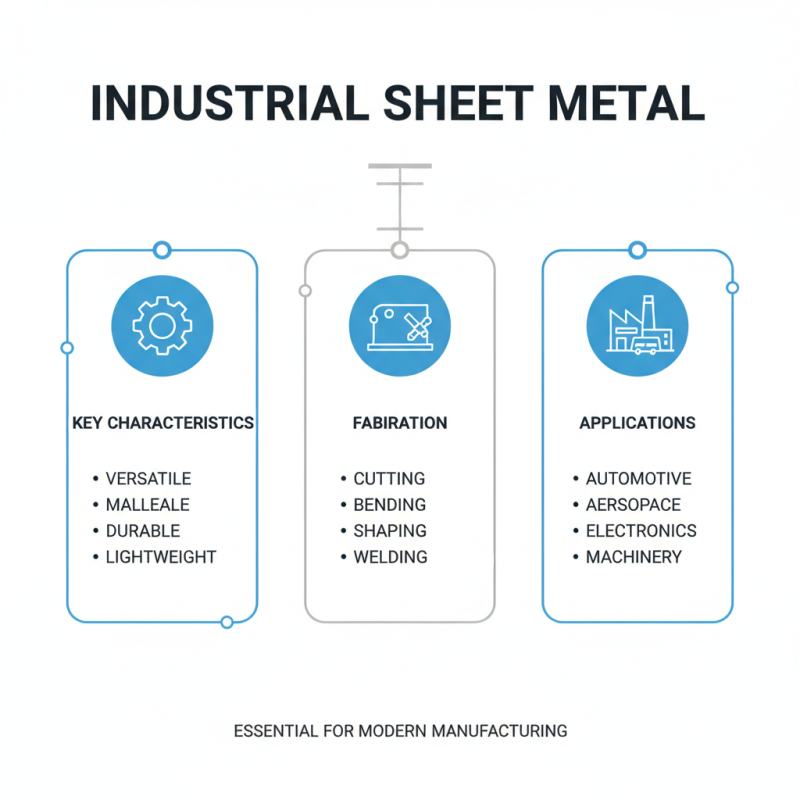
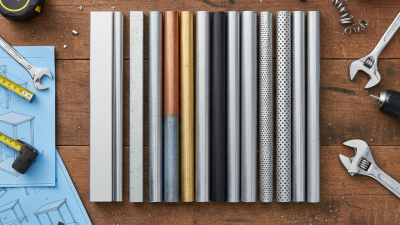
Industrial sheet metal plays a crucial role in modern manufacturing. Its key characteristics make it a preferred material for various applications. This material is versatile and can be easily cut, bent, and shaped. Such flexibility allows for a wide range of designs, from simple components to complex assemblies.
Durability is another essential feature of industrial sheet metal. It can withstand harsh environments and heavy loads. Many industries rely on this feature for structural integrity. However, not all sheet metal is created equal. The choice of alloy and thickness requires careful consideration. Mistakes can lead to costly failures and delays in production.
Moreover, industrial sheet metal offers excellent conductivity, making it ideal for electrical components. This aspect may seem straightforward, yet poor quality can lead to inefficiencies. Manufacturers must ensure quality control throughout the production process. Attention to detail can make or break a project. Balancing these characteristics requires experience and foresight.
Applications of Industrial Sheet Metal in Construction and Architecture
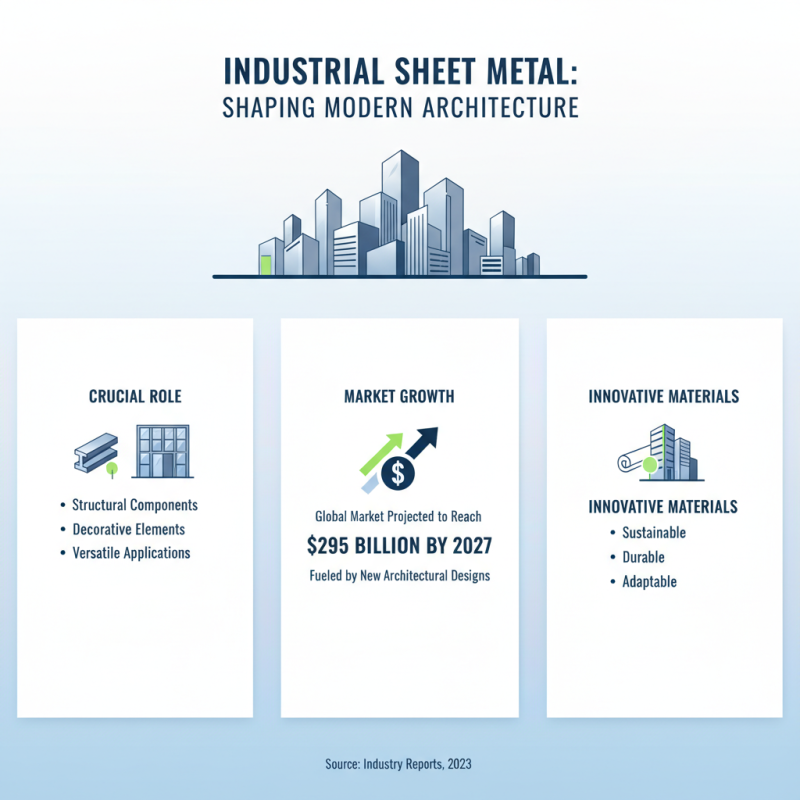
Industrial sheet metal plays a crucial role in construction and architecture today. Its applications vary widely, from structural components to decorative elements. In recent reports, the global sheet metal market is projected to reach $295 billion by 2027. This growth is fueled by new architectural designs requiring innovative materials.
In construction, sheet metal is often used in roofing and cladding. It offers durability and resistance to weathering. Many buildings use aluminum and steel, as they can withstand harsh environments. About 40% of architects specify metal for façades due to its aesthetic appeal and sustainability. However, some projects struggle with the balance between cost and design complexity.
In architectural applications, it can transform ordinary spaces into modern landmarks. It's commonly seen in HVAC systems as well, where efficiency is paramount. Despite its advantages, the fabrication process can generate waste, highlighting the need for better recycling practices. Some designs are ambitious, yet they overlook practical installation challenges. The industry must reflect on these aspects to truly harness the potential of sheet metal in future projects.
The Role of Industrial Sheet Metal in Automotive Industry Production
The automotive industry heavily relies on industrial sheet metal for various applications. Sheet metal parts serve as essential components in vehicle structure, supporting weight and ensuring safety. Reports indicate that over 50% of a vehicle's weight comes from metal materials. Among these, steel and aluminum remain the most popular choices.
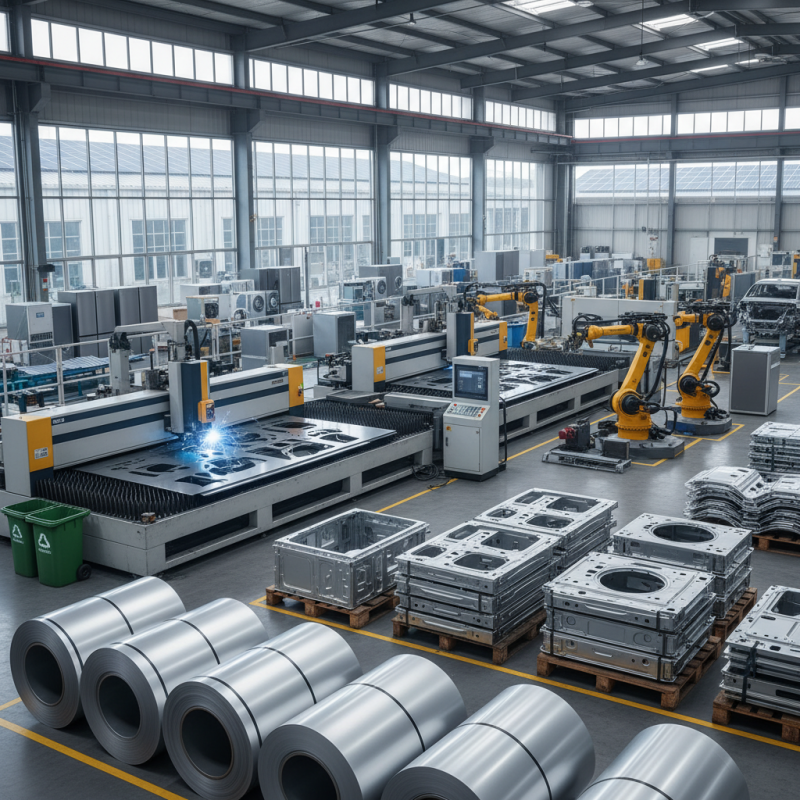
Manufacturing processes in the automotive sector utilize advanced techniques to shape and weld sheet metal. Techniques like stamping and laser cutting allow for precise designs. However, the industry faces challenges in achieving consistent quality. Some parts may suffer from imperfections or inconsistencies, leading to costly reworks.
The demand for lightweight materials is increasing, driven by the need for fuel efficiency. Studies suggest that replacing heavier steel components with aluminum can reduce weight by up to 40%. Still, integrating aluminum can be tricky, as it requires different handling and joining methods. Balancing performance, cost, and sustainability remains an ongoing challenge for manufacturers.
Advancements in Sheet Metal Fabrication Techniques and Technologies
Advancements in sheet metal fabrication are transforming modern manufacturing. According to a report by Smithers, the global market for sheet metal fabrication is expected to reach $48 billion by 2025. Automation and precision have become essential. Technologies like laser cutting and CNC machining enable manufacturers to produce complex parts quickly and accurately.
These advancements bring challenges too. While automation improves speed, it can reduce skilled labor opportunities. Workers must adapt to new technologies, which can be daunting. In 2022, 42% of manufacturers reported difficulty in finding workers with the right skills. This gap highlights the need for targeted training programs in the industry.
Moreover, sustainability is becoming a priority. Many companies are exploring eco-friendly materials and processes. The push for recycling metals is strong. The Metal Recycling Market is projected to grow by 7% annually through 2026. While these trends are promising, they also require a reevaluation of existing practices. Embracing change is vital for staying competitive in today’s fast-evolving manufacturing landscape.
Sustainability Practices in the Use of Industrial Sheet Metal
Sustainability has become essential in modern manufacturing, especially with industrial sheet metal. This material is increasingly recyclable, reducing waste significantly. Using recycled sheet metal decreases the need for raw materials and energy. However, recycling processes can be energy-intensive and not always efficient.
Many manufacturers are seeking eco-friendly practices. Some invest in energy-efficient production methods. This reduces the carbon footprint associated with sheet metal production. It's not easy, as transitioning to sustainable practices can be costly. The balance between cost and sustainability is often tricky to navigate.
Another important aspect is durability. Industrial sheet metal has a long lifespan, which minimizes the need for frequent replacement. Yet, some products are tossed prematurely due to lack of proper maintenance. Manufacturers must address this issue to maximize sustainability efforts. Encouraging proper usage and care of these materials can be just as crucial.
Top Uses of Industrial Sheet Metal in Modern Manufacturing