What is Water Jet Cutting and How Does It Work?
Water jet cutting is a revolutionary technique that uses high-pressure water to slice through various materials. This method is gaining traction in industries such as manufacturing, aerospace, and construction due to its precision and versatility. According to a report by Market Research Future, the global water jet cutting machine market is expected to reach USD 1.75 billion by 2027, growing at a CAGR of 5.4%. This growth highlights the increasing reliance on water jet cutting for complex applications.
In addition to its commercial success, water jet cutting is known for its environmentally friendly attributes. The process generates minimal waste and does not produce harmful emissions. However, the initial investment for water jet cutting machinery can be high. Companies often overlook ongoing maintenance costs, which can impact long-term profitability. Despite these challenges, water jet cutting is celebrated for its ability to cut materials like metal, glass, and stone with remarkable accuracy.
Industry experts emphasize the importance of skilled operators in achieving optimal results. Training programs are crucial for maximizing the technology's potential. While water jet cutting offers substantial benefits, companies must remain aware of the intricacies involved in its operation. This ensures that the technology is used efficiently and effectively, maintaining a competitive edge in a rapidly evolving market.
What is Water Jet Cutting?
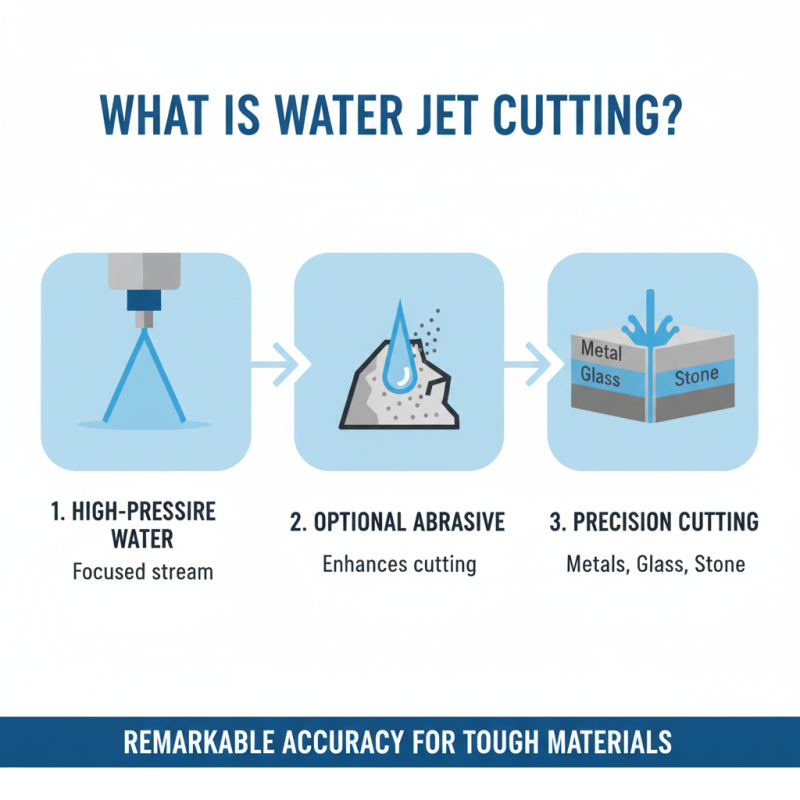
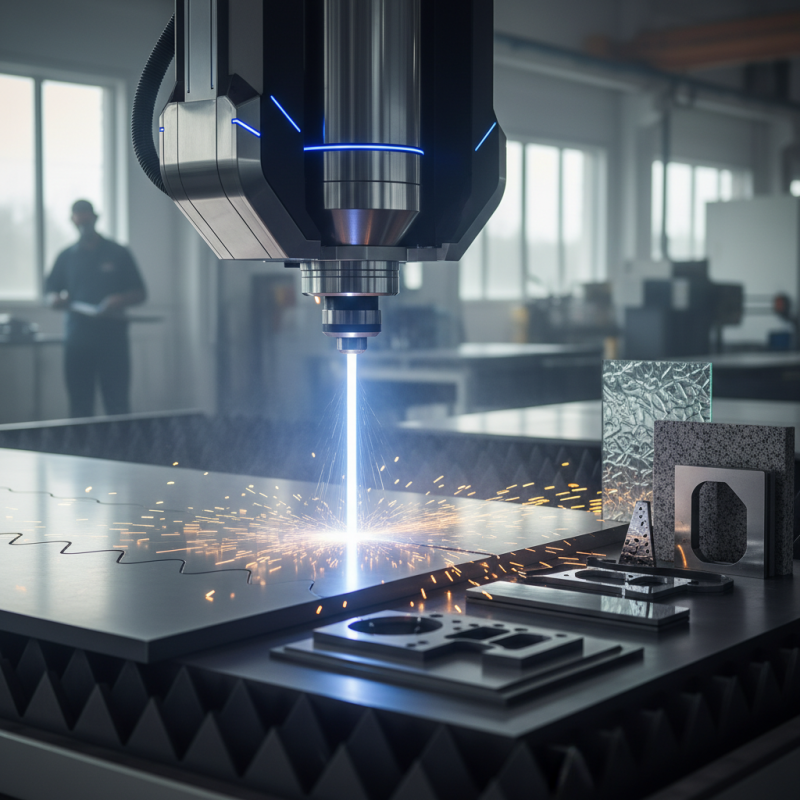
Water jet cutting is a precision manufacturing process that uses high-pressure water to cut a variety of materials. This technique is particularly effective for hard materials like metal, glass, and stone. The water is often mixed with an abrasive substance, enhancing its cutting ability. The process involves a focused stream of water that can cut through substances with remarkable accuracy.
A key appeal of water jet cutting is its versatility. It can create intricate designs and complex shapes without generating heat. This is important because heat can alter the properties of some materials. The absence of heat also means there is less waste and no need for extra finishing processes. Many industries benefit from this method, including aerospace, automotive, and construction.
Despite its benefits, water jet cutting requires careful planning. The setup can be complex, and operators must have specific skills. Different materials react differently to the cutting process, and not all materials are suitable for water jet cutting. This can present challenges in project execution. Overall, while water jet cutting is a powerful tool, it demands expertise and precision to achieve the best results.
The Technology Behind Water Jet Cutting
Water jet cutting is a unique technology that has gained popularity for its precision and versatility. This method uses a high-pressure stream of water, often mixed with abrasives, to cut through various materials. The water jet can slice through metals, glass, and stone with remarkable accuracy. Industries favor this technique for its ability to create intricate designs without thermal damage.
The core of water jet cutting technology lies in its pressurization system. Water is pressurized up to 90,000 psi, creating a powerful jet that can reach supersonic speeds. This force can easily cut through thick materials. A cutting head focuses the jet, allowing for fine details. However, it’s essential to calibrate the pressure and speed carefully. Overly high pressures can lead to unnecessary wear on the cutting equipment and affect the final outcome.
Although water jet cutting is efficient, it does come with challenges. The complexity of programming the cutting paths can lead to human errors. Additionally, the disposal of used abrasive materials raises environmental concerns. Understanding these limitations is crucial for optimizing the cutting process and minimizing resource waste.
How Water Jet Cutting Machines Work
Water jet cutting machines have revolutionized the manufacturing industry with their precision and versatility. This technology uses a high-pressure water jet, often combined with an abrasive material, to cut through various materials like metal, glass, and stone. The process operates at pressures exceeding 60,000 psi, allowing for intricate designs with negligible thermal distortion, unlike traditional cutting methods.
These machines feature sophisticated control systems. Computer Numerical Control (CNC) enables precise automation and repeatability. A study by ResearchAndMarkets shows that the global water jet cutting market is expected to reach $2.48 billion by 2026. However, the initial cost of these machines can be significant, which raises questions about accessibility for smaller businesses.
While water jet cutting boasts many advantages, it’s essential to consider its limitations. It may not be as effective on thick materials due to slower cutting speeds. Additionally, while the process generates less heat, managing water disposal and waste can be complicated. These factors require careful planning and consideration for those investing in this technology.
Applications of Water Jet Cutting in Various Industries
Water jet cutting is revolutionizing many industries with its versatility and precision. This cutting method employs high-pressure water mixed with abrasive materials to slice through various materials. Its adaptability makes it valuable in sectors like aerospace, automotive, and manufacturing.
In the aerospace industry, for instance, water jet cutting is used to create intricate components with tight tolerances. This technique minimizes material waste, which is crucial for expensive aerospace materials. In manufacturing, it is employed to shape plastics, metals, and even glass, often leading to cleaner edges without thermal distortion.
Despite its advantages, there are challenges. The setup for water jet cutting can be costly, and the operation requires skilled technicians. Additionally, maintenance of the equipment is critical for consistent performance. Companies must weigh these factors when considering water jet technology as a cutting solution. Essential training programs can help bridge the knowledge gap and enhance the reliability of the process.
Applications of Water Jet Cutting in Various Industries
Advantages and Limitations of Water Jet Cutting
Water jet cutting is a unique method that utilizes a high-pressure stream of water to cut through various materials. Its advantages are significant. One major benefit is its ability to cut without generating heat. This reduces the risk of material distortion. Additionally, water jet cutting is highly versatile. It can effectively work on metal, glass, stone, and even composites. This adaptability makes it a popular choice across different industries.
However, there are limitations to consider. The equipment can be costly, both in initial investment and maintenance. Operating the machinery requires skilled personnel. The setup for larger projects may take time, creating delays. Furthermore, while water jet cutting is precise, it may not achieve the finely detailed cuts that other methods can offer. Understanding these pros and cons is essential for making informed decisions in manufacturing processes. Reflecting on these aspects can guide companies toward the best cutting solutions for their needs.