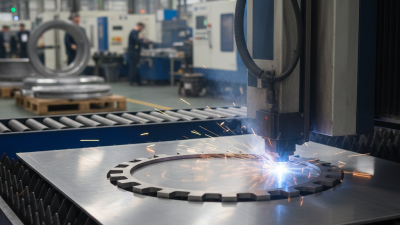
2026 Top Laser Cutting Machines for Global Buyers
For global buyers, selecting a laser cutting machine in 2026 means matching equipment to materials, production volume, and local service needs. Maximum power alone is a poor shortcut. A shop cutting thin stainless-steel panels has different needs from a factory processing thick plate or acrylic. The distinction matters.
Theodore Maiman, the physicist who built the first working laser, is often quoted as saying, “The laser is a solution looking for a problem.” His remark concerns laser technology broadly, not a specific machine. Still, it offers a useful buying reminder: start with the work, not the machine’s headline specifications. Compare fiber and CO₂ systems against your material mix, required edge quality, and expected operating hours. Ask for sample cuts using your own material. Look closely at the cut edge, dross, and consistency—not just a polished demonstration.
A careful review should also cover the cutting head, control software, extraction system, safety features, training, and access to spare parts. These details affect daily operation. So does the supplier’s ability to provide responsive technical support in your region. Published specifications are useful, but they cannot confirm how a machine will perform in your facility. Buyers should verify claims, clarify warranty terms, and calculate running costs before committing. There is no perfect shortlist. The right choice depends on real production demands, and those demands can change.
How Laser Cutting Machines Work and What Defines Their Performance
2026 Top Laser Cutting Machines for Global Buyers
How Laser Cutting Machines Work and What Defines Their Performance
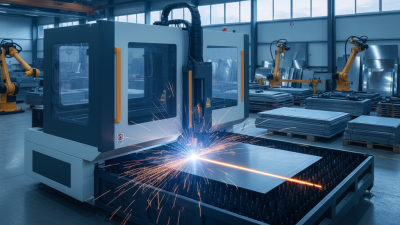
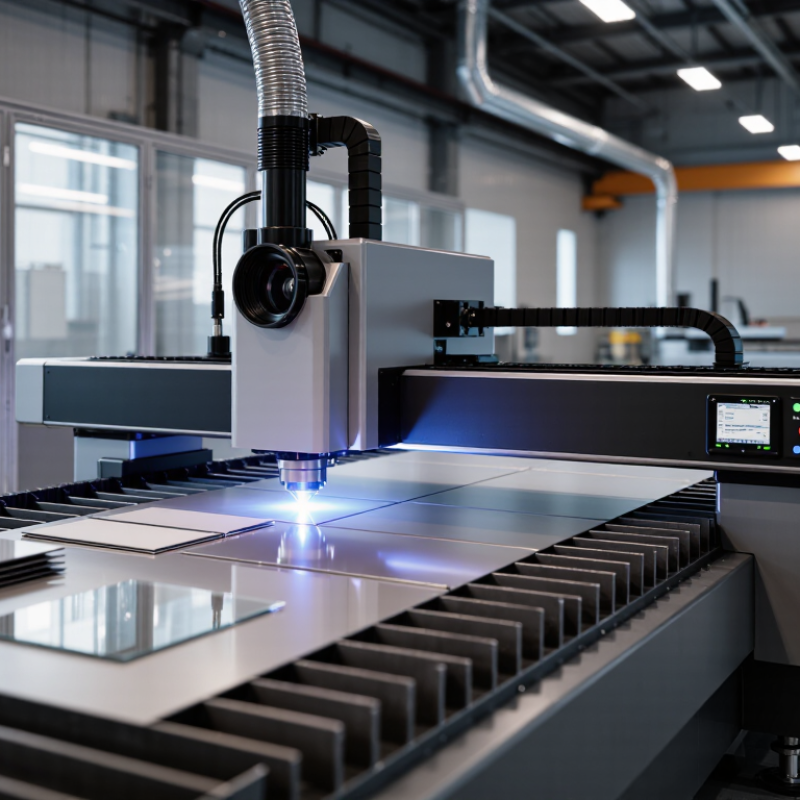
A laser cutting machine focuses a beam onto material, creating enough heat to melt, burn, or vaporize a narrow path. Assist gas then clears molten material from the cut, while the motion system guides the cutting head along a programmed design. The result depends on more than laser power. Beam quality, focus position, nozzle condition, gas flow, and motion accuracy all affect edge quality and cutting speed. Small details matter.
For buyers comparing machines, consider the materials and thicknesses they will cut most often. A clean edge on thin sheet metal does not guarantee equally good results on thick plate. Look for consistent cuts, repeatable positioning, accessible maintenance points, and clear operating documentation. Even experienced operators can misjudge a machine from a short demonstration; real production tests are more useful.
Tips: Ask for a sample cut using your own material. Inspect the edge for burrs and heat discoloration, and check whether small features stay accurate. Keep extraction and routine calibration in mind. A faster machine is not always the better fit if setup, maintenance, or material handling slows the whole workflow.
Main Laser Cutter Types and Their Industrial Uses
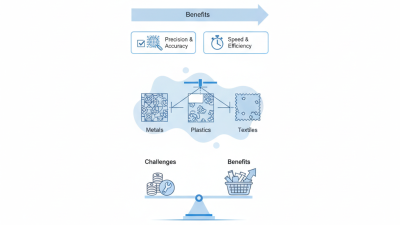
Laser cutter choice starts with the material, not the headline wattage. Fiber lasers suit reflective metals such as steel, aluminum, and copper, and are common in sheet-metal fabrication. A bright, narrow kerf helps produce clean edges on brackets and electrical cabinets. CO2 systems remain useful for many nonmetal materials, including acrylic, wood, and textiles. Tube lasers handle round or rectangular sections used in frames and fluid systems. For thick plate, high-power fiber systems can improve cutting speed, but gas, thickness, and edge-quality requirements still matter.
The World Steel Association’s World Steel in Figures 2025 reports 1,882.6 million tonnes of crude steel production in 2024. That scale helps explain the demand for productive metal-cutting equipment, though it does not predict one buyer’s needs. The International Federation of Robotics reported 541,302 industrial robots installed worldwide in 2023. Laser cutters can fit into automated cells, where loading, unloading, and part sorting affect total output as much as cutting speed. That distinction matters.
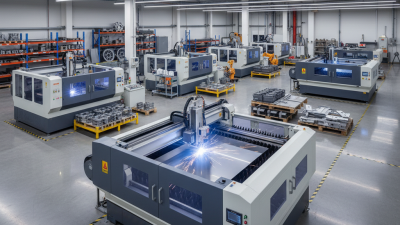
For procurement, compare the machine’s working area, supported materials, service access, and extraction system. A small workshop may value fast setup and flexible jobs over maximum power. A high-volume plant may prioritize uptime and automated material handling. Check sample cuts using your own material and thickness; catalog figures rarely tell the whole story. I would still leave room for judgment: real production mixes are messy, and the “best” machine can change with one new contract.
Key Specifications Buyers Should Compare in 2026
A laser cutter’s headline wattage is only one part of the buying decision. Compare the source type, working area, positioning accuracy, and supported material thickness. A large bed may suit full sheets, while a smaller machine can be easier to install and maintain. Check whether the stated cutting speed applies to your material and thickness; maximum speed rarely tells the whole story. Ask for sample cuts using your actual material, then inspect edge quality, kerf width, and consistency. Small differences matter.
Tips: Request a written specification sheet and a sample-cut report. Check extraction requirements, assist-gas options, and electrical needs before planning the workspace. Confirm what routine maintenance involves. It can be more demanding than expected.
Also compare software compatibility, safety enclosures, training, warranty coverage, and access to replacement parts. Ask how accuracy is measured and under what conditions. A brochure may list impressive tolerances, but buyers should verify them on repeat cuts. Consider the machine’s expected daily workload, not just occasional peak performance. If possible, include setup time and service response in your cost comparison. One detail is easy to overlook: a machine that fits the budget may still need workspace changes or additional support.
2026 Top Laser Cutting Machines for Global Buyers — Key Specifications to Compare
Compare the nominal wavelengths of common industrial laser sources. Wavelength is one selection factor; also assess laser power, material and thickness range, assist-gas requirements, cutting speed, and service support.
Typical nominal source wavelengths: fiber 1.064 µm, CO₂ 10.6 µm, UV 0.355 µm, and green 0.532 µm. Values describe the laser source, not cutting capacity or overall machine performance.
Top Laser Cutting Machines for Different Materials and Production Needs
Material choice should lead the specification, not the machine’s headline wattage. For thick carbon-steel sheets, a fiber laser with a stable cutting bed and automated loading can support fast, repeatable shifts. Thin sheet needs different tuning. Check kerf width, edge dross, and piercing time on the actual alloy. Run samples. That detail matters. Fiber systems suit many metals. CO2 machines remain practical for acrylic, wood, and textiles. Specify extraction and fire controls. Reflective copper and brass need careful process settings; never assume a standard setup will transfer cleanly.
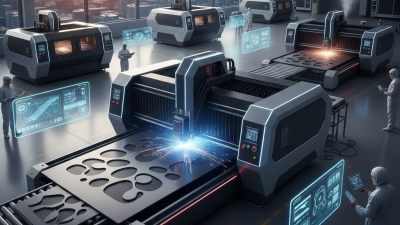
Production scale changes the answer. Compact enclosed units can suit prototypes and short runs. For busy sheet-metal shops, shuttle tables and nesting software reduce idle time. IFR’s World Robotics 2024 report recorded 541,302 industrial robot installations worldwide in 2023, reflecting growing factory automation. Yet automation is not a shortcut. Verify service access, extraction capacity, chiller stability, and local technician coverage before purchase. Ask for test cuts using your material thickness and drawing files. Small imperfections show up. Edge quality shifts with nozzle wear, focus drift, and gas purity. Quoted speed alone is a weak buying metric.
How Global Buyers Can Assess Suppliers, Service, and Compliance
Global buyers should assess more than cutting speed. The International Federation of Robotics’ World Robotics 2024 report counted 4,281,585 industrial robots operating worldwide in 2023. It recorded 541,302 new installations that year. For buyers, this underlines a practical concern: automated lines need compatible controls and responsive service. Ask suppliers to cut your own 6 mm stainless-steel sample. Inspect dross, kerf consistency, and repeatability, not just a polished showroom result.
Supplier paperwork deserves equal scrutiny. ISO’s survey of management-system certifications recorded 1,265,216 ISO 9001 certificates for 2022. Certification is a useful screen, not proof that one machine will hold tolerance. Request factory acceptance-test records, electrical documentation, and a spare-parts list. Ask for response times in your time zone. “Global support” alone is not a service plan.
Before purchase, compare the machine with applicable local requirements and standards such as IEC 60825-1 for laser safety, ISO 12100 for risk assessment, and IEC 60204-1 for electrical equipment. Request guarding drawings, interlock test results, and manuals in the operators’ language. Check technician coverage and consumable lead times using actual dates. A one-week nozzle delay can idle a shift. Small detail, big consequence. I would still verify the paperwork independently; a neat certificate folder can hide gaps.