10 Best Laser Cutting Machines for Global Buyers?

Choosing among the 10 Best Laser Cutting Machines for Global Buyers requires more than comparing wattage or advertised speed. A machine may cut stainless steel quickly but struggle with thick acrylic, reflective metals, or small detailed parts. Real performance depends on the laser source, cutting head, bed size, motion system, software, extraction setup, and operator experience.

Theodore H. Maiman, a pioneer in laser technology, famously said, “The laser is a solution looking for a problem.” His observation remains relevant. Buyers should define their production needs before selecting equipment. A workshop making signs may value clean edges and compact dimensions. A factory cutting steel parts may need fiber power, automatic focusing, reliable gas control, and continuous-duty stability.

This guide evaluates machines through practical criteria. These include material compatibility, cutting accuracy, repeatability, maintenance access, electrical requirements, safety features, warranty support, and total ownership cost. Service availability matters greatly. A low purchase price can become expensive when replacement lenses, nozzles, software licenses, or technical support are difficult to obtain.

No machine wins every workshop. That is worth remembering. Specifications can look impressive on paper. However, sample cuts, independent reviews, installation quality, and local training often reveal more. We also consider regional voltage standards, shipping realities, spare-parts access, and responsible operating practices. Some comparisons remain imperfect because manufacturers use different testing conditions. Still, this overview offers a careful starting point for global buyers seeking dependable laser cutting equipment, not merely the fastest machine in a catalogue.
10 Best Laser Cutting Machines for Global Buyers?

What Is a Laser Cutting Machine and How Does It Work?

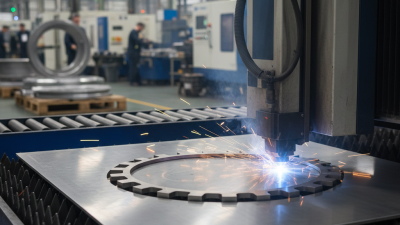
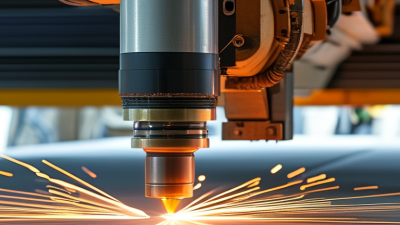
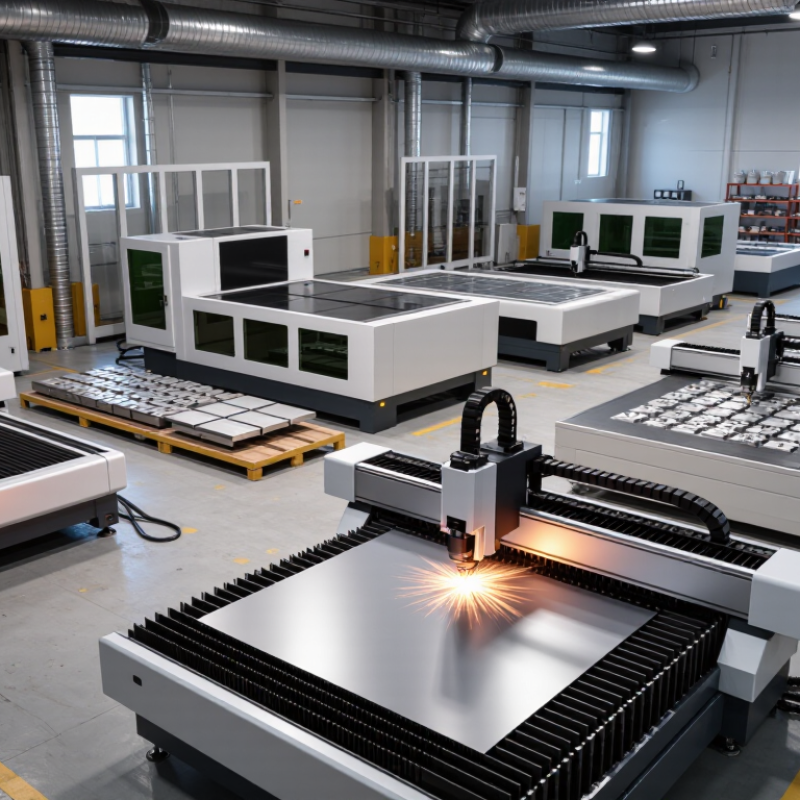
A laser cutting machine uses a concentrated beam of light to separate material along a programmed path. The beam usually comes from a sealed gas, crystal, or fiber source. Mirrors or fiber delivery guide it toward a focusing lens. The lens narrows the beam to a tiny, intense point. Heat then melts, burns, or vaporizes the material. An assist gas clears debris and helps shape the cut.

The controller follows a digital drawing, often made with CAD software. It coordinates movement, speed, power, and gas flow. A metal sheet may need slower travel and stronger power than thin acrylic. Wood can darken at the edge, while some plastics release dangerous fumes. Good ventilation, protective enclosures, and material-specific settings are essential. Never judge quality by speed alone. A fast cut can leave rough edges, hidden heat damage, or incomplete separation.

In practical testing, operators check a small sample before starting a full sheet. They inspect kerf width, corner accuracy, smoke marks, and underside residue. I have found that identical materials can behave differently between batches. That is easy to overlook. Regular lens cleaning and alignment checks also protect consistency. Buyers should compare working area, source type, software support, maintenance access, and training. The most expensive machine is not automatically the most suitable one.

Which Features Matter Most for Global Buyers?

10 Best Laser Cutting Machines for Global Buyers?

Which Features Matter Most for Global Buyers?

Global buyers should assess a laser cutter beyond its advertised power. Start with electrical compatibility, plug type, and operating voltage. A machine designed for one grid may need an approved transformer elsewhere. Check the manual before placing an order. Confirm the working area fits your materials, such as 1,220 by 610 millimeters for common sheet sizes. Higher wattage is not always better.

Safety features deserve close attention. Look for enclosed cutting areas, interlocked doors, emergency stops, exhaust connections, and clear warning labels. The machine should support suitable filtration or external ventilation for the material being processed. Ask whether replacement filters, lenses, nozzles, and protective windows are available in your region. Small parts can stop production. That is easy to overlook.

Software support can decide whether a machine is practical worldwide. Confirm file compatibility, language options, offline operation, and updates for your computer system. Reliable technical support should include response times, troubleshooting guides, and remote assistance. Local service partners are helpful, but their coverage may be limited. Read the warranty terms carefully, including shipping responsibility and repair procedures. I would also request sample cuts on your actual material before buying. Factory demonstrations can look perfect, yet thicker wood, reflective metal, or uneven sheets may produce different results. Allow room for mistakes. A realistic test often reveals more than a polished specification sheet.

How to Compare the 10 Best Laser Cutting Machines

Comparing the 10 best laser cutting machines requires more than checking advertised power. Start with your materials, sheet sizes, and daily workload. A machine for thin acrylic may struggle with thick steel. Match laser type, wattage, cutting bed, and rated thickness to real production needs.

Examine cutting speed and edge quality together. Fast movement is not useful if it leaves heavy dross or uneven corners. Ask for sample cuts using your actual material. Review positioning accuracy, repeatability, software compatibility, and file support. Safety systems matter too, including enclosure design, ventilation, emergency stops, and automatic monitoring. For global buyers, confirm voltage, frequency, installation requirements, spare parts, training, and response times. Certification should fit your region. Total cost includes lenses, filters, gas, maintenance, shipping, and downtime. A cheaper machine may become expensive after six months.

Tips: Compare three written quotations with identical specifications. Request test videos and maintenance records. Check whether local technicians can service the system. Measure your workshop door before ordering. Small details matter. I would also leave room for doubt: published speed often reflects ideal settings, not busy factory conditions. Ask about performance after extended use, because early results can hide heat drift, software faults, or inconsistent focus. A careful buyer records these answers before choosing a machine.

10 Best Laser Cutting Machines for Global Buyers? - How to Compare the 10 Best Laser Cutting Machines

Rank Machine Type Laser Source Typical Power Common Working Area Suitable Materials Typical Cutting Capability Maximum Speed Range Positioning Accuracy Best Use Case
1 High-Power Sheet Metal Cutter Fiber laser 6–12 kW 1500 × 3000 to
2500 × 6000 mm
Carbon steel, stainless steel, aluminum, brass Carbon steel up to approximately
25–30 mm, depending on power
60–120 m/min Approximately ±0.05 mm High-volume fabrication and structural parts
2 Mid-Power Production Cutter Fiber laser 3–6 kW 1500 × 3000 to
2000 × 4000 mm
Mild steel, stainless steel, aluminum, galvanized sheet Carbon steel up to approximately
16–20 mm
50–100 m/min Approximately ±0.05 mm General metalworking and contract manufacturing
3 Compact Metal Cutting Machine Fiber laser 1–3 kW 1300 × 2500 to
1500 × 3000 mm
Mild steel, stainless steel, aluminum, copper alloys Carbon steel up to approximately
8–12 mm
30–80 m/min Approximately ±0.05–0.08 mm Small factories, workshops, and maintenance departments
4 Tube and Sheet Combination Cutter Fiber laser 1.5–6 kW Sheet table plus
tube length of 3000–6500 mm
Steel pipe, stainless tube, aluminum profiles, sheet metal Tube wall thickness up to approximately
8–12 mm, depending on power
30–80 m/min Approximately ±0.05 mm Furniture frames, machinery components, and tubular structures
5 Large-Format Nonmetal Cutter CO₂ laser 80–150 W 1300 × 2500 to
1600 × 3000 mm
Acrylic, wood, plywood, MDF, leather, fabric, paper Acrylic or plywood up to approximately
15–20 mm in one pass
20–40 m/min Approximately ±0.10 mm Sign production, interior décor, furniture, and crafts
6 Entry-Level CO₂ Workshop Cutter CO₂ laser 40–80 W 600 × 900 to
900 × 1300 mm
Acrylic, wood, cardboard, rubber, leather, textiles Acrylic or plywood up to approximately
8–12 mm
15–30 m/min Approximately ±0.10–0.15 mm Education, prototyping, customization, and small-batch work
7 Desktop Diode Engraving Cutter Blue diode laser 5–20 W optical output 400 × 400 to
800 × 800 mm
Wood, cardboard, leather, dark acrylic, coated metals Thin wood or acrylic generally
up to approximately 3–8 mm
5–20 m/min Approximately ±0.10–0.20 mm Home workshops, personalized products, and light engraving
8 Fiber Metal Engraving System Pulsed fiber laser 20–60 W 100 × 100 to
300 × 300 mm
Stainless steel, aluminum, brass, coated metals, plastics Primarily surface marking;
thin sheet cutting is limited
Up to approximately 7 m/s marking speed Approximately ±0.01 mm Serial numbers, barcodes, logos, tools, and industrial traceability
9 Enclosed Precision CO₂ Cutter CO₂ laser 60–100 W 600 × 900 to
1000 × 1600 mm
Acrylic, wood, glass engraving, leather, rubber, paper Acrylic or plywood up to approximately
10–15 mm
20–35 m/min Approximately ±0.05–0.10 mm Retail customization, laboratories, schools, and design studios
10 Automatic Coil-Fed Laser Line Fiber laser 1–3 kW Coil width of approximately
1250–1600 mm
Carbon steel, stainless steel, galvanized steel, aluminum coil Commonly processes sheet
up to approximately 3–6 mm
40–80 m/min, depending on
material and nesting
Approximately ±0.05–0.10 mm High-throughput blanks, panels, cabinets, and appliance parts
Comparison note: The specifications shown are representative market ranges for each machine category, not brand-specific claims. Actual cutting thickness, speed, accuracy, and productivity depend on material grade, assist gas, lens configuration, nozzle selection, nesting efficiency, machine condition, and operating environment. Buyers should verify local electrical requirements, laser safety compliance, ventilation, cooling, warranty coverage, spare-parts availability, and operator training before purchase.

What Are the Best Laser Cutters for Different Applications?

Choosing the best laser cutter depends on the material, workload, and finish you need. For acrylic, plywood, leather, and other non-metal materials, a CO2 laser usually delivers clean edges and efficient cutting. A fiber laser suits metal sheets, nameplates, and detailed industrial marking. Diode machines are practical for light engraving, small workshops, and limited budgets, but they often struggle with thick or dark materials.

Real workshop experience shows that power ratings can be misleading. Cutting speed changes with material density, moisture, lens condition, and air assistance. A larger work area helps with furniture panels, while a compact bed may offer better control for personalized products. Check the exhaust system, emergency stop, software compatibility, and available replacement parts before buying. Safety features matter as much as cutting performance. A machine that looks perfect on paper may still disappoint in daily production.

Tips: Test samples before placing a large order. Ask for cutting results on your exact material and thickness. Keep a small allowance for design errors. Measure your workspace, door width, and power supply carefully. Do not ignore noise and ventilation. These details are easy to overlook. Also, confirm that the machine meets local electrical and workplace safety requirements. Even experienced operators sometimes underestimate maintenance time, especially when mirrors, lenses, or filters need frequent cleaning.

How to Choose, Purchase, and Maintain the Right Machine

Choosing the right laser cutting machine starts with your materials, not the machine’s advertised power. Steel, aluminum, wood, and acrylic require different cutting methods, lenses, gases, and settings. A powerful machine may waste energy on thin sheets. Ask the supplier to cut your actual samples and inspect the edge, corner, and small holes. The cut edge tells more than a brochure. Measure your workshop carefully, including door width, ventilation, electrical capacity, software needs, and operator space.

Purchase decisions should include the complete ownership cost. Compare the machine, shipping, installation, training, spare parts, maintenance, and possible import charges. Request written specifications, safety documentation, warranty terms, and realistic service response times. Check the emergency stop, protective enclosure, interlocks, warning labels, and fume extraction system. These details support safer operation and help meet local requirements. A low quotation can become expensive when support is unclear.

Maintenance protects accuracy. Clean the lens and nozzle regularly, inspect cooling systems, remove dust from filters, and lubricate moving rails as instructed. Record cutting hours and consumable changes in a simple log. Test alignment after transportation or unusual vibration. Do not trust a perfect first cut. In practice, small errors often appear after several hours of production. I still underestimate how quickly dust affects quality. That mistake is useful, because regular inspection is cheaper than rejected parts.