China’s industrial sheet metal sector serves industries ranging from construction and energy to transport and electronics. Its manufacturers form metal cabinets, machine guards, enclosures, brackets, and structural parts. A finished panel may look simple. Its edges, bends, holes, and coating reveal the real work.
Shigeo Shingo, a manufacturing engineer known for his work on production systems, observed, “The most dangerous kind of waste is the waste we do not recognize.” That warning matters here. Poorly controlled cutting can leave burrs; inaccurate bends can complicate assembly; inconsistent finishes can create problems later. Details matter.
This guide to China’s top 10 industrial sheet metal manufacturers offers a practical starting point for buyers comparing suppliers. It considers capabilities such as laser cutting, punching, forming, welding, surface finishing, and quality control. It also looks at production scale, industry experience, customization, and communication. These factors can help identify promising partners, but they cannot replace a factory audit or a sample review. A polished website proves little by itself.
No single ranking fits every project. A small custom order may need flexible engineering support, while a high-volume program may depend on repeatable output and dependable delivery. Even a detailed comparison has limits: supplier capabilities change, and published information may be incomplete. Use the profiles to narrow the field, then verify materials, tolerances, inspection records, and lead times directly. A clear drawing helps. So does a candid conversation about what could go wrong.
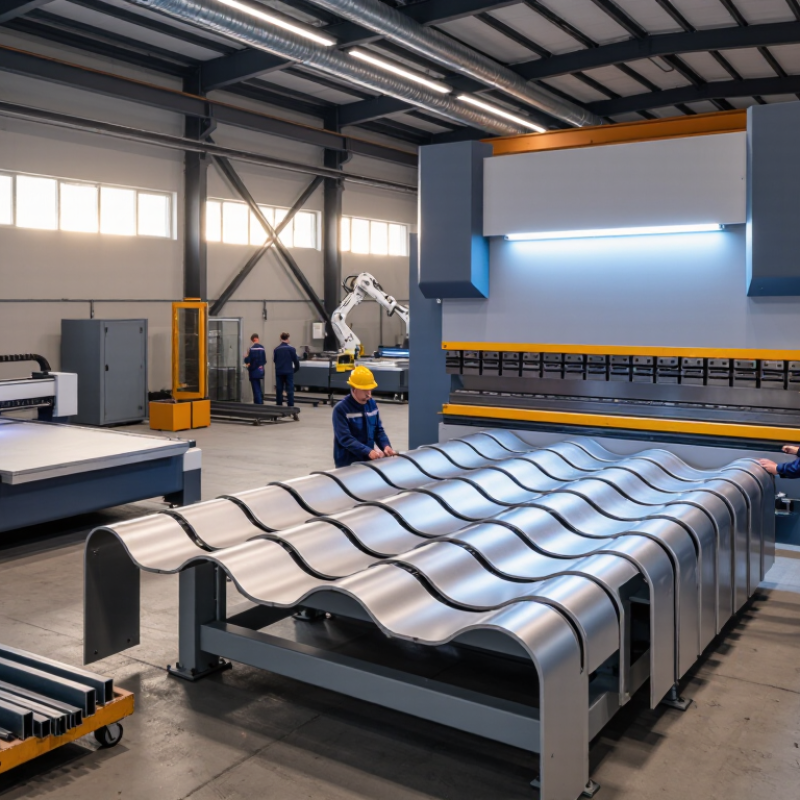
Industrial sheet metal manufacturing in China covers a wide range of work, from small electrical enclosures to large machine guards. Shops may use laser cutting, punching, bending, welding, and surface finishing. The right process depends on material thickness, shape, volume, and tolerance. A clean drawing helps, but it cannot resolve every production question.
Look closely at practical quality controls. Ask how operators check bend angles, hole positions, and weld consistency. A first-article inspection can reveal fit problems before a full batch is made. Useful evidence includes measurement records, material certificates, and clear procedures for handling rejected parts. Details matter. A sharp edge or slightly warped panel can slow final assembly.
Supplier comparisons should cover more than price. Review tooling needs, sample timing, packaging, and communication about design changes. Some factories are better suited to repeat orders; others handle prototypes more flexibly. That difference is easy to miss. Buyers also sometimes send drawings without specifying finish requirements or acceptable variation. That is a preventable weakness, though even a careful review may uncover new questions once samples arrive. Shipping distance and production schedules can affect delivery, so confirm both before approving an order.
A credible industrial sheet metal manufacturer should prove repeatable capability, not just display impressive machinery. Check whether its laser-cutting, punching, bending, and welding processes match your part geometry and production volume. Ask for sample inspection records, documented tolerances, material certificates, and clear procedures for handling nonconforming parts. Specific evidence matters. A polished factory tour alone proves little.
Material sourcing deserves close attention. The World Steel Association reported global crude steel production of 1,888.2 million tonnes in 2023, underscoring the scale and complexity of the steel supply chain. This figure does not rank fabricators, but it makes grade traceability and supply continuity practical evaluation criteria. Ask how material lots are tracked and how suppliers communicate substitutions or delays. A low quote can become expensive when these details are vague.
Digital and operational readiness also matter. Deloitte and MAPI’s 2024 Smart Manufacturing Survey found that 86% of surveyed executives expect smart manufacturing solutions to drive competitiveness within five years. For buyers, useful signs include controlled revision records, production scheduling, and timely inspection data—not technology for its own sake. Compare lead-time promises against actual capacity, staffing, and contingency plans. No scorecard is perfect. I would still leave room for judgment: a smaller shop may deliver excellent work, but its evidence should be just as clear.
Suggested emphasis for evaluating industrial sheet metal suppliers. Assess each criterion using documented capabilities, audit evidence, and customer references.
The percentages are an illustrative evaluation framework, not measured market data or a ranking of manufacturers. Relevant evidence may include quality-management records and applicable standards such as ISO 9001 or ISO 3834 for welding quality requirements.
Profiles of China’s top industrial sheet metal manufacturers should compare capabilities, not just factory size. A high-volume profile typically highlights fiber-laser cutting, automated bending, and repeatable welding for equipment housings. Another may specialize in stainless-steel enclosures, where clean seams and consistent surface finishes matter. Heavy-gauge fabricators need different strengths: large-format cutting, controlled distortion, and reliable handling of bulky parts. These distinctions help buyers match production needs to a supplier’s actual process.
The scale is substantial. World Steel Association’s World Steel in Figures 2024 reports that China produced 1,019.1 million tonnes of crude steel in 2023. IFR’s World Robotics 2024 reports 276,288 industrial robot installations in China that year. Those figures signal a deep manufacturing base, but they do not prove any individual sheet metal shop is precise or dependable. Capacity is not everything. Profiles should also disclose material ranges, inspection methods, prototype support, and delivery consistency. A polished catalogue can still hide long lead times; that deserves scrutiny. Published rankings are imperfect, too, because companies rarely report comparable data. A useful profile makes those gaps visible instead of presenting an unsupported winner.
A useful comparison of ten manufacturers starts with what they make: electrical enclosures, machine guards, control cabinets, brackets, and HVAC panels. Common processes include laser cutting, punching, bending, welding, and surface finishing.
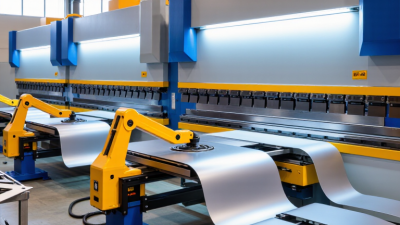
On a factory floor, a flat steel blank may become a folded cabinet door, with welded corners and coated edges. Small details matter. A poorly placed bend can disrupt assembly.
Applications span construction, machinery, transport, and electrical equipment. The World Steel Association reported China produced 1,005.1 million tonnes of crude steel in 2024.
This is an upstream indicator, not a sheet metal market measure, but it shows the scale of the material base. When assessing manufacturers, compare material traceability, dimensional tolerances, prototyping, and finishing capacity. Still, these factors do not tell the whole story; delivery consistency can be harder to judge from a product catalogue.
Tips: Ask for sample parts and inspection records. Check how the supplier handles design changes, weld distortion, and coating thickness. A polished sample helps, but repeatability matters more. Industry buyers should match process capability to the part’s real operating conditions.
When comparing industrial sheet metal manufacturers in China, look beyond the quoted price. Ask which processes are performed in-house, such as laser cutting, bending, welding, and surface finishing. A capability list matters less than experience with parts similar to yours. Request sample inspection reports and confirm how dimensions are measured. Check tolerances, material grades, and finish requirements before approving a drawing. Small details can stop a production run.
Review capacity and communication, too. Ask about monthly output, typical lead times, and how urgent changes are handled. A factory tour, in person or live, can reveal whether work areas are organized and inspection tools are maintained. Clarify packaging and shipping responsibilities. Confirm that nonconforming parts are documented and corrected, not simply replaced without explanation. The paperwork may look tidy. Reality can differ. A pilot batch adds time, but may expose unclear specifications before a larger order.
Tips: Mark material, thickness, finish, and critical dimensions clearly on your drawing. Request a first-article sample and written acceptance criteria. Compare total delivered cost, not just unit price. Ask what could fail after six months of use. That question is easy to skip.