How to Choose a Water Jet Cutting Machine

Choosing a water jet cutting machine starts with the work it must handle, not the largest number in a brochure. List your materials, their maximum thickness, typical sheet size, and expected daily cutting hours. Stainless steel, glass, stone, and composites place different demands on the pump, cutting head, and abrasive system. Small details matter. A narrow production space may need a compact table, while long parts require room for loading and safe movement. Check the machine’s stated accuracy against your actual drawings, and ask how performance changes across the full cutting area.

Compare complete systems, not just purchase prices. Pump output, nozzle and orifice life, abrasive use, water treatment, software, and technician access all affect operating costs. Ask suppliers for test cuts using your own material and thickness; inspect edge quality, taper, cut time, and abrasive consumption. That evidence is more useful than a general promise. Review service intervals, spare-part availability, training, and warranty terms in writing. Specifications can vary with material, setup, and maintenance, so confirm them with documented tests. A low-cost machine may suit occasional jobs, but it may struggle with demanding shifts. That is not always easy to predict. A careful comparison helps match capability to real workloads, avoid paying for unused capacity, and choose a water jet cutting machine your team can maintain reliably.
How to Choose a Water Jet Cutting Machine

Identify the Materials and Cutting Requirements

Start with the exact material, not just its trade name. A “composite” may contain fibers or layers that react differently under a waterjet. Metals, stone, and many glass types usually require an abrasive stream, while foam, rubber, and some foods can be cut with pure water. Soft materials need less cutting force, but they may still shift or deform on the table. Check the material’s thickness, hardness, and internal structure. Small details matter. A laminated sheet, for example, may behave differently from a solid sheet of the same thickness.

Then define what the cut must achieve. Note the thickest section, smallest hole, desired edge quality, and acceptable dimensional tolerance. A tight corner or narrow slot may need slower cutting than a straight profile. Production volume matters too: frequent changes between materials can make setup time important. Ask whether the machine can pierce the material safely, since some brittle or layered stock may crack or separate during piercing. Test cuts help. Record the feed rate, abrasive use, and edge condition on a sample piece. A tidy specification sheet cannot predict every material variation; even a sensible first choice may need revision after that test.

Compare Pure Waterjet and Abrasive Waterjet Systems

Pure waterjet systems use a focused stream of water without added abrasive. They suit softer materials such as foam, rubber, textiles, and some food products. A narrow stream can cut intricate outlines while limiting heat effects. That matters. Heat-sensitive plastics, for example, may avoid melted edges, though the final surface still depends on setup and material.

Abrasive waterjet systems mix water with abrasive particles, often garnet, to cut metals, stone, glass, and ceramics. The added particles increase cutting power, but they also change operating costs. Abrasive use, disposal, and nozzle wear need to be considered. Check the edge. On thick plate, cutting speed and taper may vary, so a sample cut can reveal more than a brochure.

Compare the materials you process most, their thickness, and the edge quality each job requires. A shop cutting thin foam all day may gain little from an abrasive system. A fabricator working with stainless steel likely needs one. It is not always a clean choice: mixed workloads can make either system feel limiting. Ask suppliers for test cuts using your actual material, then inspect the kerf, corners, and underside for roughness.

Evaluate Machine Capacity, Precision, and Key Components

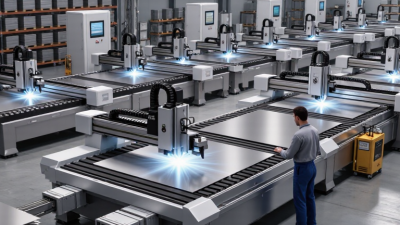
When choosing a water jet cutting machine, match its work envelope to the parts you actually produce. Measure your largest sheets and note typical material thicknesses. A machine that handles occasional thick plate may run slowly on everyday jobs. Check both pump pressure and flow rate; pressure alone does not tell you how quickly the system can cut. Also consider available floor space, loading access, and expected operating hours.

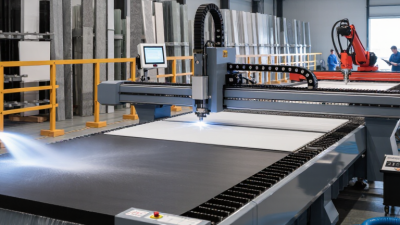
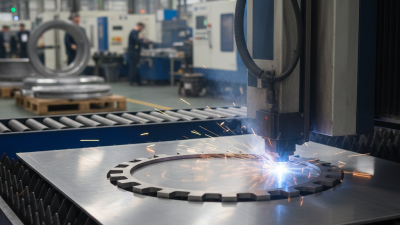
Precision depends on more than the motion system. Ask for a sample cut in your material, then inspect edge taper, kerf width, and corner quality. Cutting speed, nozzle condition, abrasive consistency, and nozzle distance can all affect the result. Key components include the pump, cutting head, motion controls, filtration system, and abrasive feeder. Look for clear maintenance intervals and accessible wear parts. Small details count. I would still leave room for uncertainty: published accuracy figures may not reflect a real production setup.

Tips: Compare sample cuts, not just specifications. Confirm what materials and thicknesses were tested. Ask how often filters, seals, and orifices need attention, and include those tasks in your operating plan.

Assess Operating Costs, Maintenance, and Technical Support

A water jet cutting machine’s purchase price is only the visible part of its cost. Compare electricity, abrasive, water treatment, disposal, and wear parts per operating hour. The U.S. Energy Information Administration reported an average industrial electricity price of 7.74 cents per kilowatt-hour in 2023. At that rate, a machine drawing 100 kW for 2,000 hours would use about $15,480 in electricity. This is a rough estimate. Actual power draw, demand charges, and local tariffs can change it substantially. Keep a simple log of energy use and abrasive consumption during a trial; estimates often miss real shop conditions.

Maintenance deserves the same scrutiny. Ask for documented replacement intervals and prices for seals, nozzles, and high-pressure components, then compare them against your expected shifts and material mix. The National Institute of Standards and Technology’s Handbook 135 recommends evaluating life-cycle costs, including operation and maintenance, rather than purchase price alone. Check whether technicians can provide remote diagnostics, operator training, and a clear response-time commitment. Ask how common spare parts are stocked. A fast reply is not the same as a fast repair. These comparisons take time, and some assumptions will be imperfect; revise them after the first months of production.

How to Choose a Water Jet Cutting Machine - Assess Operating Costs, Maintenance, and Technical Support

Assessment Area Planning Reference What to Check Before Purchase
Electrical consumption Many production systems use roughly 20–45 kW while cutting; actual demand depends on pump size, pressure, and duty cycle. Request the pump’s rated input power and measured consumption for your expected operating schedule. Estimate energy cost as kWh used × local electricity rate.
Abrasive consumption Abrasive use is commonly in the range of about 0.2–0.5 kg per cutting minute, depending on the cutting head, material, and settings. Ask for the recommended feed rate for your materials and nozzle setup. Calculate cost from kilograms used per hour × delivered abrasive price per kilogram.
Water use High-pressure cutting-water flow is often approximately 1–4 L/min, varying with orifice size and operating pressure. Confirm the required supply flow, filtration, water quality, drainage, and any additional cooling-water needs. Include local water and wastewater charges.
Cutting-head consumables Orifices and mixing tubes are wear items. Service life varies with abrasive quality, water quality, operating conditions, and component material. Request replacement intervals and prices for the exact proposed configuration. Check how wear is measured and whether replacement parts are readily available.
High-pressure pump maintenance Seals, check valves, and other pump components require periodic inspection or replacement. Service intervals depend on pump design and usage. Obtain the maintenance schedule, parts list, expected labor, and cost per service. Verify which tasks can be done by trained in-house staff.
Water treatment and filtration Inlet-water filtration helps protect high-pressure components; filter type and replacement frequency depend on the incoming water supply. Ask for water-quality limits, filter specifications, and replacement costs. Check whether softening or reverse-osmosis treatment is recommended for your site.
Unplanned downtime Downtime cost depends on production rate, labor, and whether work can be moved to another machine. Estimate the cost of a stopped production hour. Review diagnostics, remote troubleshooting, backup parts, and the availability of loan or rental equipment.
Technical support Support coverage and response times vary by supplier and service agreement; they are not universal industry standards. Set written targets for remote response, onsite service, escalation, training, and coverage outside business hours. Confirm whether support is available in your time zone.
Total cost of ownership Compare energy, abrasive, water, consumables, planned maintenance, labor, and expected downtime—not purchase price alone. Build a cost-per-production-hour model using your materials, cutting hours, local utility rates, and quoted parts and service prices. Compare machines using the same assumptions.

Note: Figures are general planning ranges for abrasive waterjet systems, not guaranteed specifications. Actual consumption and maintenance intervals vary by machine configuration, material, settings, water quality, and operating practice. Confirm all figures with a written quotation and service plan.

Check Safety Features and Facility Requirements

A water jet cutting machine works with extreme pressure, so safety features deserve close inspection. Check that the machine has a clearly reachable emergency stop, secure guarding, and interlocks that prevent operation when access doors are open. Ask how the system detects pressure faults and contains leaks. Small details matter: a loose hose near the cutting area can become a serious hazard. Keep abrasive materials in sealed containers, and confirm that operators can use suitable eye, hearing, and hand protection. Quiet is not the same as safe.

The facility must support the machine, not just fit around it. Confirm floor loading with the supplier or a qualified engineer, especially if the unit includes a large water tank. Measure the full footprint, including room to load sheets, open access panels, and service pumps. Check electrical capacity, water supply, drainage, and noise levels before delivery. Wet floors are easy to overlook; plan slip-resistant surfaces and a way to manage splash and runoff. A checklist helps, but it can miss awkward daily tasks. Walk the actual material path, from delivery to finished parts, before choosing a layout.