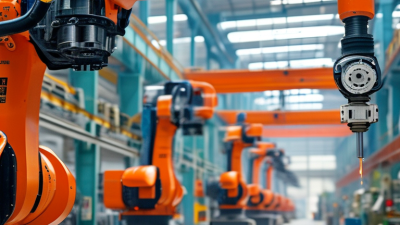
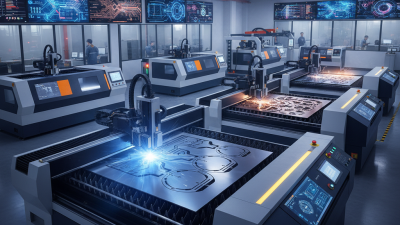
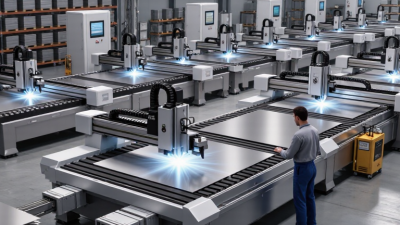
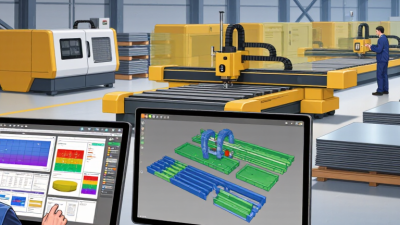
Industrial equipment includes the machines, systems, and supporting devices used to make, move, process, or inspect goods. A factory’s production line may rely on CNC machines, conveyors, pumps, compressors, and control panels. Each has a distinct job. Together, they help turn materials into finished products at a repeatable pace. Some equipment is large and fixed in place; other units are portable or built into a wider system. The boundary is not always neat. A standard pump, for example, may serve an industrial process when its capacity, materials, and controls meet that setting’s demands.
Understanding what industrial equipment means also helps explain how businesses choose and care for it. The right choice depends on more than purchase price. Output requirements, operating conditions, energy use, compatibility, maintenance access, and operator training all matter. A conveyor that suits a clean packaging area may struggle in a dusty workshop. Small details count. Equipment specifications and manufacturer documentation can clarify capacity limits, service intervals, and safe operating procedures. Yet paperwork cannot show every real-world issue. Noise, awkward access, or recurring downtime may only become clear during use, so regular inspection and feedback from operators are valuable. This guide outlines common equipment types, their roles, and practical considerations for selection and upkeep. It also notes where needs vary by industry, because one universal checklist rarely fits every facility.
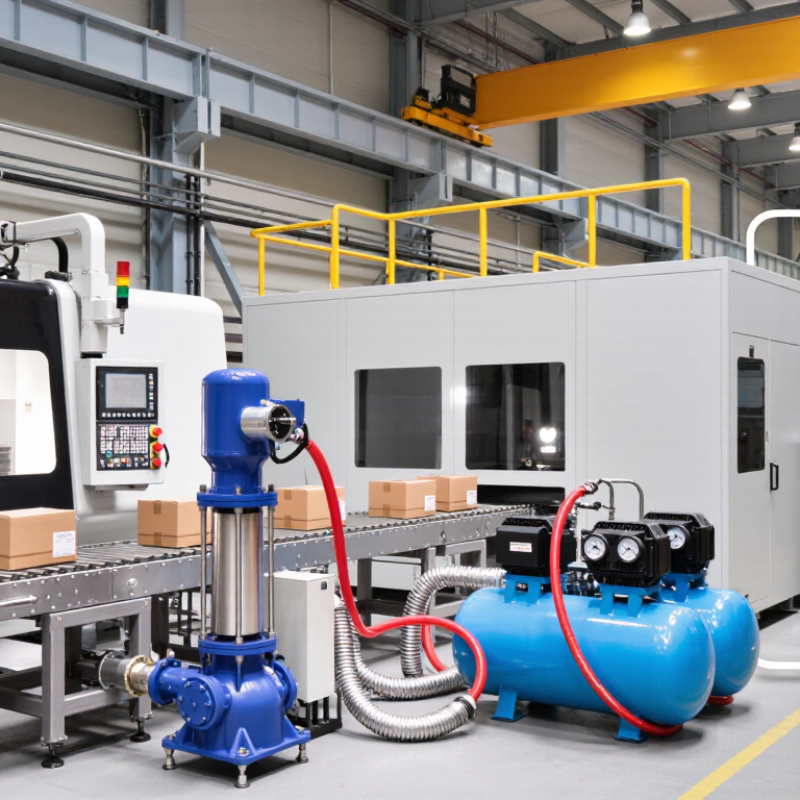
Industrial equipment is machinery and supporting systems used to make, process, move, inspect, or maintain goods. It includes a packaging line, a production press, a conveyor, and the sensors that monitor them. Unlike consumer devices, this equipment is selected for repeatable performance under demanding operating conditions. That distinction matters.
Common characteristics include defined capacity, accuracy, durability, and compatibility with other equipment. A factory team may judge a pump by flow rate, energy use, and ease of maintenance, not simply by its purchase price. The International Federation of Robotics reported 4,281,585 industrial robots operating worldwide in 2023, a 10% rise from 2022, in World Robotics 2024. The figure shows how automation is now part of industrial production, though robots are only one equipment category. The International Energy Agency’s Energy Efficiency 2023 report says industry accounts for about 37% of global final energy consumption. That makes energy performance a practical equipment concern.
Real conditions complicate tidy definitions. A sensor can be essential to a machine’s operation, yet may not be classed as equipment on its own. Ratings also tell only part of the story: dust, vibration, operator access, and maintenance schedules affect performance. A press may meet its rated output on paper but run less reliably when material changes. Definitions need context.
Industrial equipment is often grouped by the work it performs, though categories overlap on real factory floors. Material-handling equipment moves raw stock, parts, and finished goods. Conveyors, pallet trucks, and hoists reduce repeated lifting. Layout matters. A conveyor that saves walking may also create a bottleneck near a packing station. Processing and production machines change materials into products. Examples include mixers, presses, cutting machines, and industrial ovens. Operators select settings based on material, batch size, and required finish, then check wear and temperature during operation.
Utilities and support equipment keep production running. Pumps circulate liquids, compressors supply air, and boilers or chillers manage heat. These systems may sit outside the main production line, but a pressure drop or clogged filter can interrupt several machines at once. Electrical panels, sensors, and control systems monitor speed, temperature, and machine status. Inspection equipment, such as gauges and optical measurement tools, helps verify dimensions and surface quality. Safety equipment includes guards, interlocks, and emergency stops; it must suit both the machine and the task. No category works alone. Maintenance records can reveal weak points, though those records are not always complete.
| Equipment Type | Primary Function | Common Examples | Typical Applications | Key Operating Considerations |
|---|---|---|---|---|
| Material Handling Equipment | Moves, lifts, stores, or positions materials and products. | Conveyors, hoists, cranes, forklifts, pallet trucks, and storage systems | Warehousing, assembly lines, shipping areas, and construction sites | Load capacity, travel path, operator training, and inspection of lifting components |
| Machine Tools and Fabrication Equipment | Shapes, cuts, drills, grinds, or forms materials into components. | Lathes, milling machines, drill presses, grinders, presses, and cutting machines | Metalworking, component manufacturing, repair shops, and fabrication | Workpiece material, dimensional accuracy, guarding, and tool condition |
| Process Equipment | Mixes, separates, heats, cools, or otherwise transforms materials. | Mixers, industrial ovens, reactors, crushers, filters, and heat exchangers | Chemical production, food processing, minerals processing, and pharmaceuticals | Process conditions, material compatibility, temperature, pressure, and cleaning requirements |
| Pumps and Fluid-Handling Equipment | Transfers or controls liquids, gases, and slurries through a process. | Pumps, valves, pipes, tanks, compressors, and blowers | Water treatment, manufacturing, chemical processing, and utilities | Flow rate, pressure, fluid properties, seals, and leak prevention |
| Power and Utility Equipment | Generates, converts, distributes, or supports the supply of energy and utilities. | Industrial generators, boilers, transformers, switchgear, and air compressors | Factories, facilities, infrastructure, and sites requiring on-site utilities | Electrical and pressure safety, capacity, efficiency, emissions, and maintenance |
| Automation and Control Equipment | Monitors and controls machines, processes, or production sequences. | Programmable logic controllers, sensors, industrial robots, drives, and control panels | Automated production lines, packaging, material handling, and process plants | System integration, safeguarding, control reliability, and qualified configuration |
| Inspection and Testing Equipment | Measures product characteristics or verifies equipment and process performance. | Coordinate-measuring machines, gauges, test stands, and non-destructive testing instruments | Quality control, production testing, maintenance, and compliance checks | Calibration, measurement range, test procedures, and traceable records |
| Environmental and Safety Equipment | Controls workplace hazards and helps manage industrial emissions or waste. | Dust collectors, ventilation systems, scrubbers, wastewater-treatment units, and safety barriers | Manufacturing plants, workshops, processing facilities, and utility operations | Applicable regulations, exposure controls, system capacity, and routine inspection |
Industrial equipment turns energy into controlled work. Its core components usually include a power source, transmission parts, a working mechanism, sensors, and controls. In a pump, for example, an electric motor rotates an impeller; the casing guides water through the machine. A gearbox may reduce speed while increasing torque. Small parts matter. A worn seal can cause leaks, heat, and lost efficiency.
Operating principles depend on the task. Motors create rotation, hydraulic systems use pressurized fluid, and pneumatic systems use compressed air. Sensors monitor conditions such as temperature, pressure, and vibration. Controllers adjust operation when readings change. In practice, these systems rarely work in isolation. A conveyor may rely on motors, bearings, sensors, and safety interlocks together. The boundaries are not always tidy.
The U.S. Department of Energy’s 2014 Improving Motor and Drive System Performance: A Sourcebook for Industry reports that motor-driven systems account for about 68% of electricity use in U.S. manufacturing. That figure helps explain why alignment, lubrication, and correct motor sizing deserve attention. A machine can still run while wasting energy. That is easy to miss. Maintenance records and measured operating data help distinguish normal wear from a developing fault, though measurements need context: one noisy bearing does not diagnose an entire system.
Industrial Applications Across Major Sectors
Industrial equipment takes different forms depending on the work a facility must perform. In food processing, stainless-steel conveyors move ingredients between washing, cutting, and packaging stations. Pumps maintain steady liquid flow, while temperature sensors help operators monitor heating and cooling. Small changes in vibration or product temperature can signal a problem before a line stops. That matters.
In construction and mining, equipment must handle heavy loads, abrasive materials, and uneven ground. Cranes lift structural components; crushers reduce rock to manageable sizes. Regular checks of hydraulic hoses, brakes, and filters help reduce breakdowns, though inspection routines can miss issues when production pressure is high. In agriculture, tractors, irrigation pumps, and grain dryers support work that changes with weather and seasonal demand. Hospitals and laboratories rely on different equipment, including sterilizers, ventilation systems, and precision chillers. These machines may sit out of sight, but their performance affects daily operations.
Across sectors, the right equipment depends on material, operating conditions, and maintenance capacity—not just rated output. A machine that works well in a clean factory may struggle in a dusty field. Specifications also tell only part of the story. Operators’ experience, access to replacement parts, and realistic service schedules deserve equal attention.
Industrial equipment includes machinery used to produce, move, process, or control materials and energy. The chart compares representative electric motor ratings for equipment used in different sectors. These are illustrative equipment examples, not sector averages; actual ratings vary by installation.
Industrial equipment ranges from small machine-tool drives to high-power mining and energy-system motors. Motor rating indicates electrical output capacity, not actual energy use, which depends on operating time and load.
Industrial equipment selection should start with the task, not the catalog. Define the load, operating hours, available floor space, and site conditions. A pump handling gritty water needs different seals and inspection access than one moving clean water. Check the power supply, ventilation, noise limits, and operators’ experience. Fit matters.
Before purchase, compare rated capacity with real demand. Running a machine near its limit can accelerate wear, while choosing one that is too large may waste energy and complicate control. Ask about service intervals, spare-part availability, and operating documentation. Verify that guards, emergency stops, and safe access points suit the work area. A checklist helps, but it cannot replace a walk-through with the people who will use the equipment.
Maintenance should follow manufacturer guidance and observed condition. Keep a simple log of vibration, temperature, leaks, and unusual sounds. Small changes can signal trouble. Isolate energy sources before servicing, and train workers to recognize hazards such as pinch points and hot surfaces. Schedules sometimes slip during busy shifts; that is a real weakness, not a reason to ignore warning signs. Review near misses and adjust procedures when equipment, materials, or staffing changes.