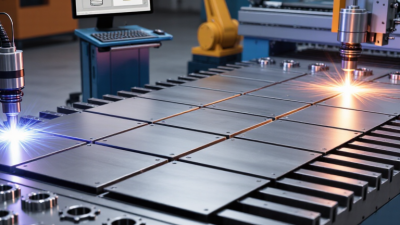
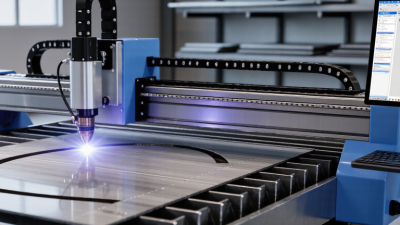
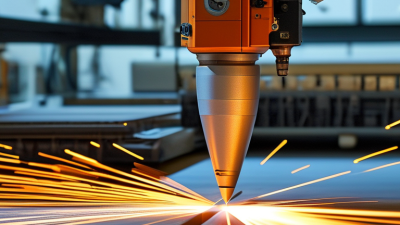
Is Almacam Software a Top CNC Nesting Solution in 2026?
As manufacturers plan for 2026, CNC nesting software faces a practical test: can it reduce waste without slowing production? Almacam software is often discussed in this context. Its value depends on more than attractive demonstrations or feature lists.
A credible review should examine daily workshop tasks. These include importing CAD files, arranging parts on metal sheets, managing remnants, and generating reliable CNC programs. Operators may also judge toolpath clarity, setup time, and error recovery. A well-nested sheet can lower scrap costs. However, a poor configuration can create rework, even when the layout looks efficient.
Real results vary. Material types, machine controls, operator training, and production volume all influence performance. A small fabrication shop may need simplicity more than advanced automation. A larger plant may prioritize integration, scheduling, and traceability. The strongest assessment should compare almacam software with competing solutions through repeatable tests, not marketing claims. Use identical part files. Record nesting time, material utilization, programming effort, and rejected parts.
There are limitations to acknowledge. Public information may not reflect every regional release or integration option. A short trial cannot reveal every maintenance challenge. That matters. This article explores whether almacam software deserves a top position in 2026, while recognizing that “best” depends on the workflow being measured. The answer may be positive for some manufacturers, but uncertain for others. That uncertainty deserves careful attention.
Almacam Software: Overview and Purpose
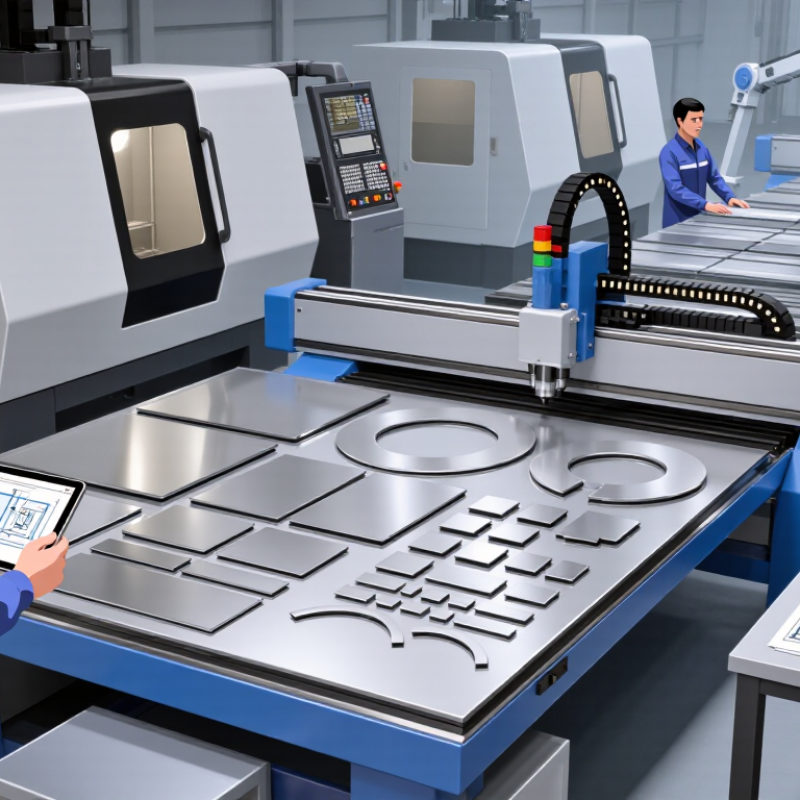
CNC nesting software organizes digital part files on sheets, plates, or panels before cutting begins. Its purpose is practical: reduce unused material, shorten cutting paths, and prepare reliable machine instructions. Users typically import CAD geometries, check contours, assign materials, and arrange parts inside a defined sheet boundary. Automatic nesting saves time, but experienced programmers still review spacing, grain direction, lead-ins, and collision risks.
The 2023 Smart Manufacturing and Operations Survey reported that 86% of manufacturers expect smart manufacturing to improve competitiveness within five years. Nesting software supports that goal through measurable planning rather than guesswork. A well-arranged sheet can lower scrap rates, reduce tool movement, and improve production visibility. The 2024 World Robotics report also recorded more than 4.2 million industrial robots operating worldwide, showing why connected, data-ready workflows matter.
Still, software is not magic. Poor drawings create poor nests. Material data may be outdated. Operators need practical cutting experience to question automatic results, especially around narrow parts and heat-sensitive materials. A useful system should display estimated material use, cutting length, cycle time, and remnant areas clearly. It should also preserve revision history and export machine-ready files consistently. One missed kerf setting can waste an entire sheet. That detail is easy to overlook.
Is a CNC Nesting Solution a Top Choice in 2026?
Nesting software arranges parts on sheet material to help manage material use and prepare CNC cutting jobs. Sheet size is one practical consideration when evaluating a solution.
Approximate area of common nominal sheet formats. Areas are calculated from nominal dimensions; availability and actual dimensions vary by supplier and material. Sheet area alone does not indicate nesting efficiency or software quality.
Supported Machines, Materials, and Workflows
A CNC nesting solution earns its place through machine fit, not a crowded feature list. In 2026, buyers should check whether it supports their actual cutting equipment, including laser, plasma, waterjet, and routing systems. Compatibility can depend on controller settings, post-processors, and machine-specific limits. A file that imports is not necessarily ready to cut.
Material support matters just as much. Sheet metal, plywood, plastics, and composite panels each bring different thicknesses, grain directions, kerf widths, and handling needs. Good nesting software can arrange parts to reduce scrap while respecting those constraints. Small details count: a narrow bridge between parts may save material but complicate removal. Test representative jobs.
Workflow integration is another practical measure. Look for clear paths from CAD drawings to job preparation, machine output, and production tracking. Operators should be able to review part orientation, remnant use, and estimated cut time before sending a job. Keep a manual check. No nesting engine removes the need for shop-floor judgment, especially when material batches vary or drawings contain inconsistent geometry. Pilot the software on a familiar job, then compare its layout, output files, and actual material use with your current process. The comparison may reveal a less-than-perfect fit.
Advantages, Limitations, and Alternatives
A CNC nesting platform can be a strong choice when shops need to arrange parts efficiently across sheet materials. Useful features may include automated layout, machining workflows, and links to production data. Better nesting can reduce offcuts, though actual savings depend on material, part geometry, and operator settings. Results vary. A complicated interface or setup process may slow a small team, especially when jobs change often. Software alone cannot fix poor part files or inconsistent machine data.
Alternatives include general-purpose nesting tools, CAD/CAM suites with nesting modules, and simpler packages built for specific cutting processes. Compare them using your own files, not a polished demonstration. Check machine compatibility, post-processor support, training needs, and how easily staff can revise a layout. A trial with mixed part sizes and a real sheet specification can reveal issues that a sales demo may miss. I would not assume the most automated option is always the best fit.
Tips: Test a typical job and a difficult one. Record scrap, programming time, and manual corrections. Ask an experienced operator to review the output before production. Keep the source files and settings consistent during comparisons; otherwise, the results can be misleading. A little uncertainty is normal. Some workflows need more tuning than expected.
Evaluating Almacam’s Position in 2026
In 2026, a serious CNC nesting evaluation should begin on the shop floor, not in a feature list. The software earns attention through its ability to arrange irregular profiles, reduce sheet waste, and preserve machining order. During a practical review, operators would inspect remnant handling, toolpath previews, and setup instructions beside the cutting table. Clear warnings matter. A polished interface means little when a small lead-in error delays production.
Its current position appears strongest for manufacturers managing mixed materials, frequent revisions, and several machine formats. Automated nesting can shorten programming time, while editable layouts keep experienced programmers in control. Compatibility with CAD files, post-processors, and production databases also deserves close testing. These connections often decide whether savings survive beyond a demonstration. In my view, dependable results should be measured across weeks of jobs, not one impressive nest.
Yet the assessment is not perfect. Material libraries may need careful tuning, and unusual grain directions can challenge automatic decisions. Training time is another hidden cost. A new user may still require guidance when priorities conflict, such as minimum waste versus faster cutting. Independent trials, documented scrap rates, and operator feedback would strengthen any 2026 ranking. The solution looks capable, but its position depends on evidence from real factories, not confident marketing language.