Choosing among China’s top sheet metal bending manufacturers requires more than comparing machine prices or factory photographs. A reliable supplier should demonstrate stable bend angles, controlled springback, clean edges, and repeatable results across production batches. Ask for sample parts. Inspect them closely. A 90-degree bend may look simple, yet a small angle variation can affect assembly, sealing, and final appearance.
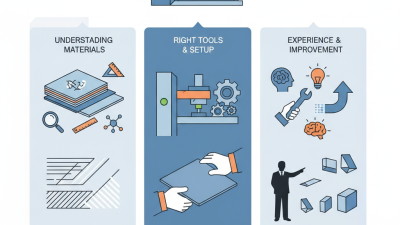
Professor Taylan Altan, a widely recognized authority in metal forming, stated, “A successful forming process must consider the material, tooling, and equipment together.” This principle remains highly relevant when evaluating Chinese manufacturers. Strong companies usually combine modern CNC press brakes with skilled operators, verified tooling systems, and documented inspection procedures. Their experience with stainless steel, aluminum, galvanized steel, and high-strength alloys also matters. Material thickness changes everything.
This guide examines manufacturers through practical evidence rather than marketing language. It considers production capacity, engineering support, quality control, export experience, and communication reliability. Certifications can help, but they do not replace physical samples or clear process records. Look for details such as machine tonnage, back-gauge accuracy, tooling brands, inspection equipment, and tolerance control.
No ranking is flawless. Some factories excel at large-volume orders but struggle with complex prototypes. Others offer excellent engineering support yet have limited capacity. That difference deserves attention. The best sheet metal bending partner depends on your drawings, materials, tolerances, delivery expectations, and required production scale. A careful comparison can reduce costly rework, although no supplier can eliminate every manufacturing risk.
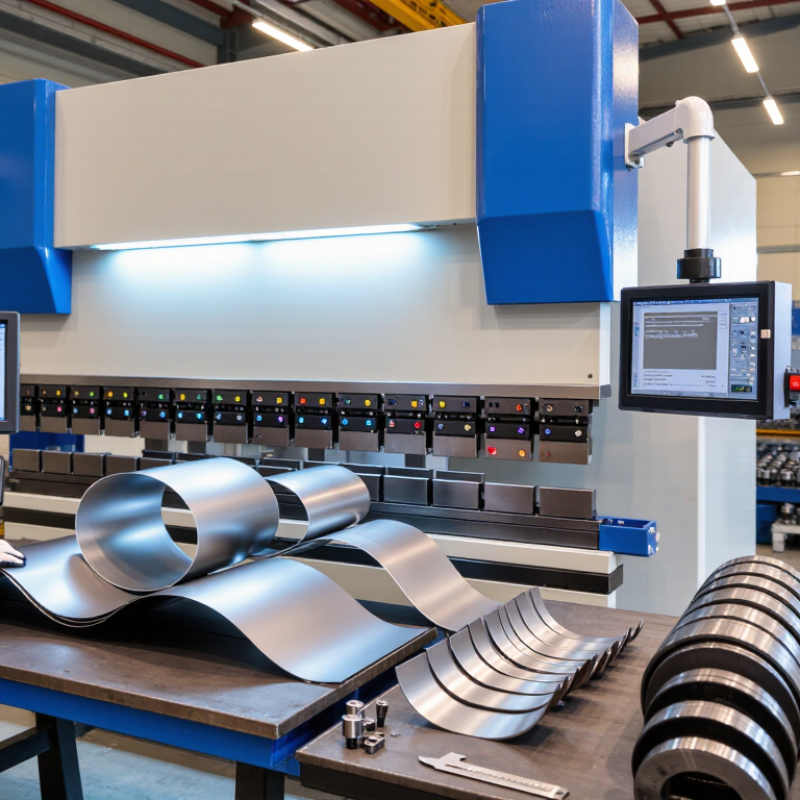
A leading China sheet metal bending manufacturer is defined by repeatable results, not impressive machinery alone. Its engineers read drawings carefully, question unclear tolerances, and select tooling for each bend. They understand material springback, grain direction, bend radius, and minimum flange length. On the shop floor, operators check the first piece against the drawing before releasing a batch. Small details matter. A 0.2-millimeter deviation can affect an enclosure, bracket, or sliding assembly.
Reliable production also depends on disciplined process control. The manufacturer should maintain calibrated press brakes, documented setup sheets, and traceable material records. In-process checks may use height gauges, angle gauges, and coordinate measuring equipment. Samples should be inspected after production, not only before shipping. Experienced teams also review packaging, because sharp edges and bent flanges can be damaged during transport. Clear communication matters when drawings change or prototypes reveal unexpected behavior.
No factory gets every bend right. The difference is how openly it responds. A trustworthy partner records nonconforming parts, investigates the cause, and adjusts tooling or sequencing instead of hiding the issue. It should provide realistic lead times and explain capacity during busy periods. Technical experience is valuable, but honest limitations build stronger cooperation. Buyers can request sample parts, inspection reports, and process photographs before approving larger orders. That simple step often exposes gaps that polished sales language conceals.
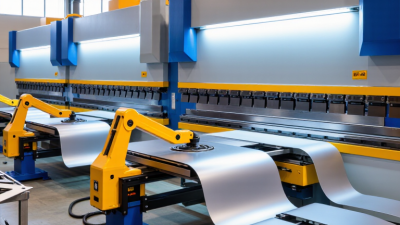
Chinese manufacturers increasingly combine CNC press brakes with servo-hydraulic systems for repeatable forming. Modern machines use automatic crowning, angle measurement, and programmable back gauges. These features reduce setup time and correct small variations during production. Offline simulation can test bend sequences before metal reaches the tooling. This is useful for cabinets, frames, enclosures, and precision structural parts. Tolerance matters.
Common materials include carbon steel, stainless steel, aluminum, galvanized sheet, and copper. Each responds differently to pressure, grain direction, coating, and springback. Experienced engineers select die openings and punch radii according to thickness and alloy. They may use segmented tooling for complex profiles or robotic handling for higher volumes. Yet automation is not a guarantee of accuracy. Poor calibration still creates visible flange differences.
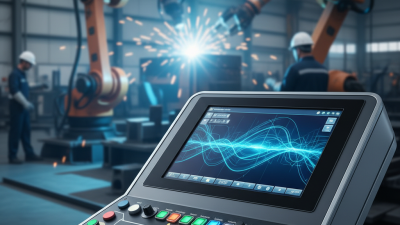
Reliable suppliers document material certificates, first-article inspections, and in-process measurements. Laser angle sensors and digital gauges can support quality checks, while final inspection may use a coordinate measuring machine. Buyers should request bend drawings, tolerance data, and sample parts before approving mass production. Ask how operators manage scratches on brushed stainless steel or cracking on tight aluminum bends. Details matter. A weakness in this sector is uneven process discipline between workshops. Therefore, technical communication, traceable records, and realistic prototype reviews remain essential when comparing leading Chinese sheet metal bending manufacturers.
| Capability Area | Technology or Equipment | Typical Capability Used by Leading Chinese Manufacturers | Common Materials | Typical Applications | Main Advantage |
|---|---|---|---|---|---|
| General Sheet Bending | CNC press brake bending | Hydraulic or electric press brakes with programmable bend sequences and multi-axis back gauges | Carbon steel, stainless steel, aluminum, galvanized steel | Machine enclosures, brackets, cabinets, frames | Flexible production for low- and medium-volume work |
| High-Precision Bending | Electro-hydraulic synchronized press brake | Closed-loop angle control, automatic crowning, and repeatability commonly around ±0.01–0.05 mm under controlled conditions | Stainless steel, aluminum, carbon steel | Electrical cabinets, precision housings, industrial equipment | Consistent bend angles and reduced setup variation |
| Automated Production | Robotic press brake cell | Industrial robot, automatic part handling, tool-change support, and integrated production monitoring | Carbon steel, stainless steel, aluminum | Automotive components, appliance parts, repetitive brackets | Improved labor efficiency and repeatability |
| High-Throughput Panels | Panel bender with automatic tooling | Automatic folding of multiple sides with reduced manual repositioning | Thin carbon steel, stainless steel, aluminum | Electrical boxes, server cabinets, appliance panels | Fast production of box-shaped panels |
| Complex Geometries | Multi-axis CNC back-gauge system | Four- to six-axis positioning for multiple bends and complex flange layouts | Carbon steel, stainless steel, aluminum, copper | Custom machinery, transportation equipment, enclosures | Fewer manual adjustments and better dimensional control |
| Thin-Gauge Work | Precision tooling and controlled-force bending | Suitable for thin sheets where surface marking, cracking, and over-bending must be minimized | 0.5–2.0 mm stainless steel, aluminum, galvanized steel | Decorative panels, electronic housings, light assemblies | Better surface quality and reduced deformation |
| Medium-Gauge Work | Standard V-die press brake bending | Commonly used for approximately 2–8 mm sheet, depending on material strength and machine tonnage | Carbon steel, stainless steel, aluminum | Structural brackets, machine covers, industrial frames | Broad material and part-size compatibility |
| Heavy-Gauge Work | High-tonnage hydraulic press brake | Used for thicker plate with dedicated tooling, larger throat depth, and controlled springback compensation | Carbon steel, stainless steel, wear-resistant steel | Construction machinery, heavy equipment, structural parts | High forming force for thick components |
| Material Selection | Carbon steel bending | Common grades include low-carbon sheet and structural steel; bend radius is selected according to thickness and strength | Cold-rolled steel, hot-rolled steel, galvanized steel | Frames, brackets, cabinets, supports | Good availability, strength, and cost efficiency |
| Material Selection | Stainless steel bending | Requires allowance for higher springback, greater forming force, and protection against surface scratches | Commonly 304 and 316 stainless steel | Food equipment, medical equipment, architectural panels | Corrosion resistance and clean appearance |
| Material Selection | Aluminum bending | Uses suitable tooling and larger inside radii when necessary to reduce cracking and visible marking | Commonly 5052, 6061, and similar sheet alloys | Transportation parts, electronics, lightweight structures | Low weight and good corrosion resistance |
| Material Selection | Galvanized steel bending | Requires attention to coating damage, bend radius, and post-bending corrosion protection | Zinc-coated carbon steel sheet | HVAC ducts, electrical cabinets, building components | Corrosion protection without separate coating in many uses |
| Quality Control | Digital inspection and first-article approval | Calipers, height gauges, angle measurement, coordinate inspection, and documented first-piece checks | Applicable to all sheet-metal materials | Export components, repeat orders, regulated equipment | Traceability and reduced dimensional variation |
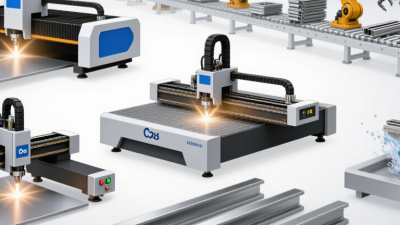
| Production Integration | Laser cutting plus CNC bending workflow | Digital transfer of part programs from cutting to bending, with nesting and production scheduling support | Carbon steel, stainless steel, aluminum, galvanized steel | OEM assemblies, custom fabrication, batch production | Shorter lead times and fewer manual programming errors |
| Finishing and Assembly | Deburring, welding, coating, and final assembly | Integrated subcontracting or in-house support for deburring, powder coating, welding, and assembly | Steel, stainless steel, aluminum | Finished cabinets, machine assemblies, equipment modules | Single-source project coordination |
Top China sheet metal bending manufacturers protect quality through controlled processes, not appearance alone. Skilled engineers review drawings, material grades, thickness, grain direction, and bend allowances before production. They often use calibrated press brakes with programmable back gauges and angle measurement systems. These tools reduce variation between batches.
Precision begins with accurate tooling selection. V-die width, punch radius, and forming force must match the material. Operators usually run a first-piece inspection before full production. They check flange length, bend angle, surface marks, and hole position with gauges or coordinate measuring equipment. Material certificates and inspection records also improve traceability. Still, mistakes happen. A small springback change can affect an entire assembly. Experienced teams adjust the program instead of hiding the problem.
Tips: Ask for a documented inspection plan and sample report. Confirm how often machines are calibrated. Request details about angle compensation and first-article approval. Clear drawings help, but they do not solve every issue. Discuss tolerances early, especially for stainless steel, aluminum, and coated sheets. Suppliers should explain their limits honestly. That response often reveals more than a polished factory tour.
The chart shows general linear dimensional tolerances from ISO 2768-1, tolerance class m, commonly used when a drawing does not specify individual tolerances. High-quality bending manufacturers typically combine these requirements with calibrated measuring equipment, first-article inspection, in-process checks, and springback compensation to maintain consistent angle and dimensional accuracy.
China’s sheet metal bending manufacturers serve demanding industries, not only general fabrication. The International Energy Agency reported that China accounted for more than 60% of global electric car sales in 2023. This growth supports demand for battery trays, motor housings, charging cabinets, and lightweight structural parts. Automotive customers also request repeatable bends, tight hole alignment, and traceable material certificates.
Electronics, telecommunications, HVAC, renewable energy, medical equipment, and construction are other major users. The International Energy Agency reported that China installed over half of the world’s new solar photovoltaic capacity in 2023. Manufacturers therefore produce inverter enclosures, control boxes, mounting frames, and weather-resistant cabinets. Their custom services commonly include laser cutting, CNC punching, press-brake bending, welding, deburring, powder coating, and final assembly. Some suppliers also provide prototypes and design-for-manufacturing reviews.
Quality depends on practical control, not attractive equipment lists. ISO 9001-based systems, calibrated gauges, first-article inspection, and bend-angle records improve reliability. Grand View Research estimated the global sheet metal fabrication services market at about USD 17.5 billion in 2023, with continued growth expected through 2030. That scale raises customer expectations. The first drawing is rarely perfect. Material springback, corner relief, and coating thickness can change the final fit. Experienced teams test these details early, although communication gaps still cause avoidable revisions. Clear drawings, tolerance reviews, sample approval, and documented inspection remain essential for dependable custom production.
Choosing a China-based sheet metal bending partner requires more than comparing hourly rates. The strongest manufacturers show capability through evidence, not polished promises. Ask for recent samples using similar steel, aluminum, thicknesses, and bend angles. Inspect edge quality, hole distortion, surface marks, and dimensional consistency. A well-run shop should explain its press brake capacity, tooling range, bend allowance method, and inspection equipment. Photos help, but measured reports matter more. That difference matters.
Request material certificates, process records, and a sample inspection report before placing volume orders. Confirm how the factory controls springback, burrs, weld distortion, and coating thickness. Tolerance claims should match the drawing, material, and machine setup. A capable engineering team will question unclear radii or unrealistic tolerances. This is useful expertise, not resistance. Review traceability from incoming sheet to packed parts. Ask whether operators record setup changes during production. One overlooked adjustment can affect an entire batch.
Compare lead times using a real pilot order, not a best-case quotation. Check response speed, technical English, packaging design, and procedures for nonconforming parts. Factory visits or independent audits can reveal crowded aisles, weak labeling, or limited maintenance.
Still, a clean workshop proves little by itself. Test communication with a difficult drawing revision. Delays often begin there. Cost should include tooling, inspection, transport, rework risk, and payment terms. Select the partner that documents limits honestly and improves after feedback, even when its first sample is not perfect.