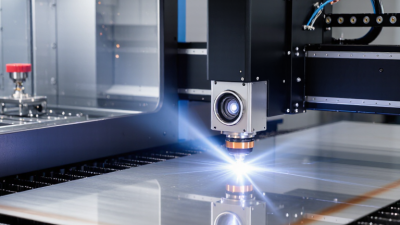
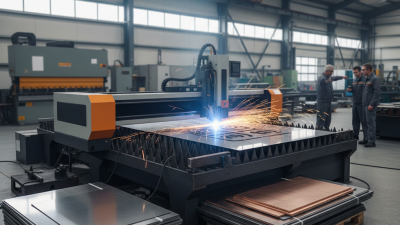
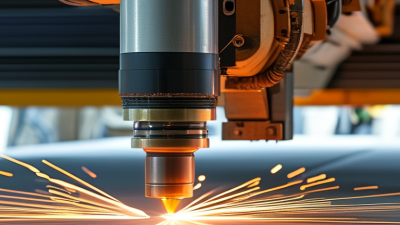
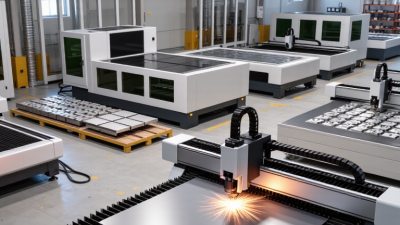
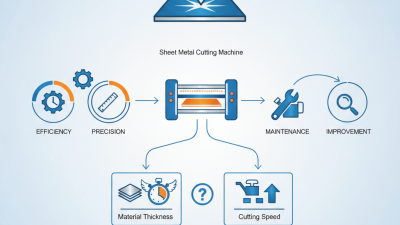
How to Choose a Laser Cutting Machine?

Choosing a laser cutting machine is less about chasing the highest wattage. It is about matching the machine to your materials, workload, workshop, and people. A small fabrication shop may need reliable control for stainless steel brackets, while a production plant may prioritize speed, automation, and stable overnight operation. The right choice should make daily work easier, not simply look impressive in a showroom.

Professor John Powell, a respected laser-processing specialist, has written, “Laser cutting is a process, not just a machine.” That principle deserves attention. Cutting results depend on the laser source, cutting head, assist gas, software, extraction system, and operator skill. A powerful source cannot fix poor calibration. It cannot remove an unsuitable lens or weak service support.

Look closely at real operating details. Ask how cleanly the machine cuts 3 mm stainless steel, not only 20 mm mild steel. Examine edge striations, corner accuracy, dross, noise, and cutting speed. Request sample parts made from your own materials. Measure them afterward.

The cheapest quotation may become expensive through downtime, consumables, training, and delayed repairs. Still, premium equipment is not automatically wise. I have seen buyers overestimate future orders and purchase capacity that remains unused. That is an uncomfortable lesson.

Consider fiber or CO2 technology, table size, nesting software, maintenance access, warranty terms, and local technical support. Compare total ownership costs over several years. Most importantly, let operators test the interface. A laser cutting machine should fit the workflow people actually use, not the workflow shown in a sales presentation.
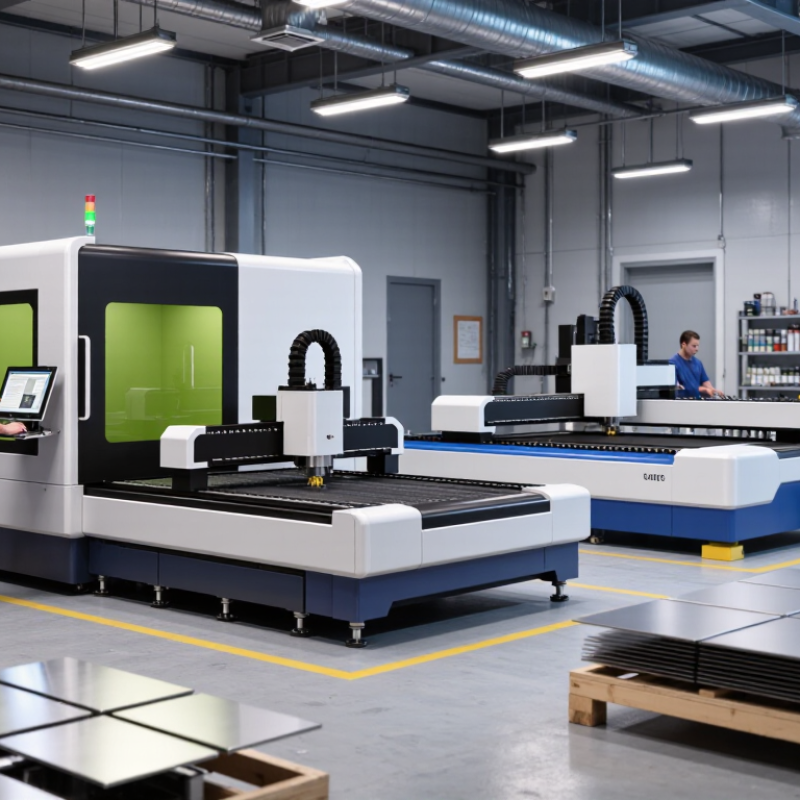
How to Choose a Laser Cutting Machine?

Define Your Cutting Needs and Material Requirements

How to Choose a Laser Cutting Machine?

Choosing a laser cutting machine starts with a clear description of the work, not a catalog comparison. List the materials, thicknesses, sheet sizes, and weekly workload you actually expect. Mild steel, stainless steel, aluminum, acrylic, and plywood react differently to heat. A machine that cuts thin acrylic beautifully may struggle with thick steel. Be specific. Record the smallest holes, narrowest slots, and tightest corners your designs require. These details influence power, motion accuracy, lens selection, and assist-gas needs.

Material testing should use real samples, including coated, painted, or slightly warped pieces. Request cut samples at your target thicknesses, then inspect edge color, dross, kerf width, and heat distortion. A clean top surface is not enough. Check the underside too. For metal, compare suitable oxygen and nitrogen cutting, because gas choice affects speed, oxidation, and finishing work. For plastics and wood, confirm the exact composition and review technical datasheets. Additives can create poor edges or hazardous fumes. Follow local safety requirements and material guidance.

Estimate production honestly. Will the machine run one afternoon weekly or through every shift? Consider loading time, extraction, cooling, maintenance, and operator training. Automation may help, but it cannot repair vague specifications. I once treated maximum cutting power as the main criterion; that overlooked cycle time and material waste. It was a useful mistake. Leave room for future materials, but do not pay for capacity you cannot use. A documented test plan makes the final choice more reliable.

Compare Laser Types, Power Levels, and Cutting Capabilities

Choosing a laser cutting machine starts with material, thickness, and daily workload—not advertised wattage. Fiber lasers suit reflective metals, including stainless steel and aluminum. CO2 systems remain useful for wood, acrylic, and selected nonmetals. Diode lasers typically serve thin sheet, engraving, and prototyping. A 2024 Grand View Research report estimated the global laser cutting machine market at about USD 5.4 billion in 2023. Automation and metal processing drove much of that demand. Market growth does not prove suitability. It only shows pressure to choose carefully.

Power affects speed, thickness, and edge quality. A 1 kW fiber source may cut thin steel efficiently, while thicker carbon steel needs more power or slower passes. For production work, 3–6 kW systems often balance throughput and operating cost. Higher ratings can help, but they may reveal weaknesses in assist-gas control, lenses, or extraction. The International Energy Agency reported that manufacturing consumed roughly 37% of global final energy in 2022. Efficient cutting involves more than faster motion. Compressed air, nitrogen, maintenance, and idle time matter. A shop cutting 2 mm stainless all day needs a different machine from one cutting 20 mm plate twice weekly.

Test your own material samples. Ask for pierce time, kerf width, dross photos, tolerance data, and continuous-duty results. One impressive sample can mislead. I have seen estimates ignore loading delays and nozzle changes. That is where calculations become imperfect. Check bed size, autofocus response, software compatibility, ventilation, and operator training before comparing quotations.

Evaluate Machine Size, Accuracy, Speed, and Automation

Choosing a laser cutting machine starts with the workpiece, not the brochure. Measure your largest sheet, nesting layout, and loading space. A larger bed can reduce repositioning, but it may increase floor space, energy use, and maintenance time. The right size is the smallest platform that handles your regular workload comfortably.

Accuracy requires more than a small advertised tolerance. Check positioning accuracy, repeatability, beam quality, and thermal stability under continuous operation. ISO 230-2 provides a recognized method for evaluating machine-tool positioning performance. Speed also needs context. A high cutting speed may lose value when piercing, changing materials, or clearing finished parts takes longer. Review complete cycle time, not only the headline millimeters per minute. I have seen fast machines underperform when operators manage too many manual steps.

Tips: Ask for test cuts using your own material and thickness. Record cut time, edge quality, scrap, and operator involvement. For automation, examine loading, unloading, material storage, sensors, and software integration. The International Federation of Robotics reported 541,302 industrial robots installed worldwide in 2023, a 10% annual increase. This signals growing automation capacity, but automation is not automatically efficient. Complex systems can create new failure points. Compare labor savings with training, service access, downtime, and integration costs. Keep a manual fallback.

Check Software, Safety Features, Maintenance, and Support

Choosing a laser cutting machine requires more than checking power and cutting speed.

Start with the software. It should import common design files, preserve scale, and show a realistic cutting preview. Look for editable speed, power, and focus settings. A clear interface reduces mistakes during busy production. Test the software with your own files before purchasing. A polished demo can hide frustrating limits.

Safety features deserve direct inspection.

The machine should have a secure enclosure, door interlocks, an emergency stop, and suitable fume extraction. Ask how the system indicates faults or interrupted cycles. Operators also need practical training, not only a manual left beside the machine. Keep approved materials and ventilation requirements documented. Small oversights can create serious risks.

Maintenance affects cutting quality over time.

Check how easily you can clean lenses, inspect mirrors, remove debris, and align the cutting head. Ask about consumable prices, spare-part availability, and recommended service intervals. Keep a simple log with dates, symptoms, and replaced parts. Support matters when production stops. Confirm response times, remote diagnostic options, training, and local technical assistance.

I would not trust vague promises. Request those details in writing. No machine stays perfect, and maintenance may take longer than expected.

Compare Total Costs, Operating Expenses, and Long-Term Value

A laser cutting machine should be priced as a production asset, not a metal box.

Compare the purchase price with installation, extraction, software, tooling, training, and downtime. The lowest quote can become expensive. Request a five-year total cost of ownership model using your actual sheet thickness, hours, and material mix. The U.S. Department of Energy reports that compressed-air leaks can waste 20–30% of compressor output. That loss appears monthly, not on the quotation.

Operating cost depends on electrical demand, assist gas, lenses, nozzles, filters, labor, and service intervals. Ask suppliers for measured power data under your planned cutting conditions. Maximum power is not consumption. A 2024 International Energy Agency report links rising electricity demand with continued system volatility. Use local tariffs and peak charges in your calculation. Track gas consumption per finished part, not per shift. That number reveals waste. Include maintenance response time and spare-part availability. A machine waiting two days can erase a small energy saving.

Long-term value comes from usable capacity, repeatability, upgrade paths, and resale prospects. Measure cycle time on real parts, including pierces, repositioning, and loading. Ask for sample cuts and inspect edge quality under magnification. Independent testing matters. The U.S. Energy Information Administration publishes regional industrial electricity price data, showing why generic payback claims deserve caution. Payback is local. My practical mistake was trusting catalog efficiency before checking gas usage and scheduling. Leave contingency for maintenance and operator learning. The spreadsheet will be imperfect. It is still better than guessing.