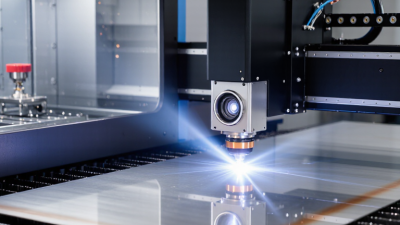
Choosing a sheet metal cutting manufacturer is not just a search for the lowest price. Buyers must consider material range, cutting accuracy, production capacity, delivery reliability, and technical support. A clean edge matters. So does a supplier’s ability to handle repeat orders without unexpected variation. These details can shape costs long after the first quote.
This guide introduces ten manufacturers serving different needs across the industry. Some may focus on high-volume production, while others may suit custom parts, complex profiles, or smaller batches. Company capabilities can change, and equipment lists alone do not prove consistent performance. Ask about tolerances, inspection methods, material traceability, and sample parts. A brief factory discussion may reveal more than a polished brochure. That is worth remembering.
The list is intended as a practical starting point, not a universal ranking. The right partner depends on your drawings, materials, order size, and location. Compare suppliers using the same requirements, and request written specifications before placing an order. Check recent references where possible. Even experienced buyers can overlook communication or packaging until a shipment arrives. There is room for judgment here. Use the profiles to narrow your options, then verify each manufacturer’s current services directly.
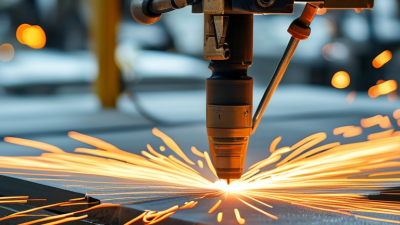
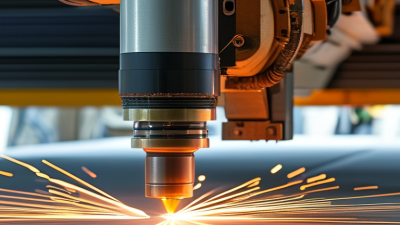
Sheet-metal cutting describes how flat stock is separated, not one single machine operation. Laser cutting uses a focused beam for detailed profiles and commonly handles sheet from about 0.5 to 25 mm, depending on power and material. Plasma cutting is suited to conductive metals, often around 3 to 40 mm. Mechanical shearing is efficient for straight cuts, while waterjet cutting avoids a heat-affected edge. These thickness ranges are practical guides, not guarantees.
Material changes the result. Mild steel, stainless steel, and aluminum respond differently to heat, reflectivity, and cutting force. The World Steel Association’s World Steel in Figures 2024 reports 1,892.2 million tonnes of crude steel production in 2023, showing the scale of steel supply behind fabrication markets. But production volume does not tell buyers which cutting process fits a particular part. That detail is easy to overlook.
Tips: Ask manufacturers to state material grade, thickness, edge tolerance, and expected burr or dross. For a 6 mm stainless panel with small holes, request a sample cut; the edge may look clean, yet heat discoloration can still matter. Thickness limits vary by equipment and geometry. They are not perfectly tidy.
For buyers comparing China’s top 10 sheet metal cutting manufacturers, kerf width is a practical starting point. A laser may produce a typical kerf of 0.1–0.3 mm on suitable sheet, depending on material, thickness, focus, and cutting settings. That narrow cut can help preserve small features and reduce material loss. On a workshop drawing, even a few tenths of a millimeter can affect slot fit or bend allowance. But the number alone does not prove accuracy. Ask how the supplier measures kerf and whether the quoted figure matches your material and thickness.
Plasma cutting generally creates a wider kerf and a larger heat-affected zone, especially on thinner sheet. It can be a productive choice for heavier conductive metals, though fine details may need extra finishing. Waterjet cutting avoids a heat-affected zone, which matters for heat-sensitive materials, but its kerf is usually wider than laser’s and cutting can take longer. Small detail matters. Edge taper and surface quality also vary with machine condition and process settings.
Tips: Send a test file with narrow slots, holes, and sharp corners. Request a sample cut in your actual material, then measure the kerf at several points. Do not assume one sample tells the whole story; settings may change across a full production run. A slightly imperfect first result can reveal useful limits before those limits affect a larger order.
When comparing China’s top sheet metal cutting manufacturers, ask how they verify cut quality—not just which machines they operate. ISO 9013:2017 classifies thermal-cut edge quality using measures such as perpendicularity or angularity tolerance, u, and average profile height, Rz5. Lower values generally indicate a more precise edge, but the specified range depends on process, material, thickness, and drawing requirements. Ask for inspection results on parts matching your own production conditions. A polished sample proves little.
ISO 2768-1:1989 defines general tolerance classes for linear and angular dimensions: fine, medium, coarse, and very coarse. These classes help when drawings omit individual tolerances; they do not replace specific dimensions or ISO 9013 edge-quality requirements. For example, a 3 mm steel panel may meet its overall size tolerance while showing unacceptable taper near a small slot. Different checks matter.
Request a sample inspection report showing the tolerance class, measured edge values, material thickness, and cutting process. Confirm the drawing states the applicable standards and editions. ISO specifications set a common basis, not a guarantee of identical results across suppliers. Heat distortion, setup, and measurement methods still affect the part. I would also check repeatability across several pieces, not just one. That step is easy to overlook.
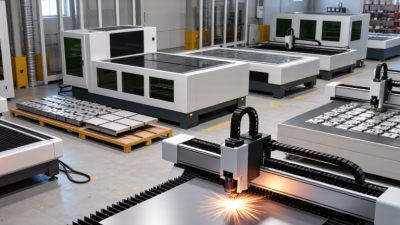
A credible ranking of China’s top 10 sheet metal cutting manufacturers should weigh more than advertised machine counts. Production capacity can be checked through installed cutting systems, shift schedules, workforce size, and documented monthly output. Ask whether figures refer to cutting alone or include forming and finishing. These details change the comparison.
Certifications provide useful evidence, but their scope matters. Verify current certificates, covered facilities, and audit dates, then compare them with inspection records and material traceability practices. Export data adds another practical measure: shipment volume, destination markets, and consistency over several years can indicate experience with international orders. Request dated records where possible. A single large shipment proves little.
The ranking should state how each factor is weighted and distinguish verified data from supplier claims. Factory visits can reveal details spreadsheets miss, such as queue time at the cutting bay or how operators handle thin stainless steel. Still, access may be limited, and reported capacity can fluctuate. That uncertainty belongs in the assessment, not hidden behind a neat score.
Capacity, certifications, and export data comparison. No source articles or identifiable company records were provided, so the entries below are placeholders—not verified manufacturers or a defensible ranking. Capacity, certification, and export figures should be confirmed against current company records and reliable public sources before publication.
| Rank | Manufacturer (Anonymous Placeholder) | Sheet Metal Cutting Capacity | Certifications | Export Data | Verification Status |
|---|---|---|---|---|---|
| Not established | Anonymous manufacturer 01 | Not provided; requires verification | Not provided; verify certificate scope and validity | Not provided; no attributable figures available | Unverified placeholder |
| Not established | Anonymous manufacturer 02 | Not provided; requires verification | Not provided; verify certificate scope and validity | Not provided; no attributable figures available | Unverified placeholder |
| Not established | Anonymous manufacturer 03 | Not provided; requires verification | Not provided; verify certificate scope and validity | Not provided; no attributable figures available | Unverified placeholder |
| Not established | Anonymous manufacturer 04 | Not provided; requires verification | Not provided; verify certificate scope and validity | Not provided; no attributable figures available | Unverified placeholder |
| Not established | Anonymous manufacturer 05 | Not provided; requires verification | Not provided; verify certificate scope and validity | Not provided; no attributable figures available | Unverified placeholder |
| Not established | Anonymous manufacturer 06 | Not provided; requires verification | Not provided; verify certificate scope and validity | Not provided; no attributable figures available | Unverified placeholder |
| Not established | Anonymous manufacturer 07 | Not provided; requires verification | Not provided; verify certificate scope and validity | Not provided; no attributable figures available | Unverified placeholder |
| Not established | Anonymous manufacturer 08 | Not provided; requires verification | Not provided; verify certificate scope and validity | Not provided; no attributable figures available | Unverified placeholder |
| Not established | Anonymous manufacturer 09 | Not provided; requires verification | Not provided; verify certificate scope and validity | Not provided; no attributable figures available | Unverified placeholder |
| Not established | Anonymous manufacturer 10 | Not provided; requires verification | Not provided; verify certificate scope and validity | Not provided; no attributable figures available | Unverified placeholder |
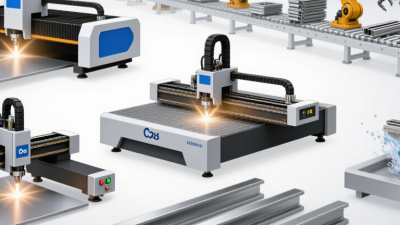
A useful comparison of China’s sheet metal cutting manufacturers starts with the machines they build and the work those machines can handle. Look for fiber laser systems, plasma cutters, or precision shears, then check cutting capacity, positioning accuracy, and typical operating speed. Ask whether specifications are measured under real production conditions. A clean sample cut is helpful, but it does not tell the whole story.
Materials and industries reveal where each manufacturer’s experience lies. Some machines process mild steel efficiently, while others are configured for stainless steel, aluminum, or thicker plate. Request sample results using your own material and thickness. Small details matter. Inspect the cut edge, burrs, and heat marks. Applications may include automotive components, kitchen equipment, construction, and electrical enclosures, but published customer sectors deserve verification.
Service metrics deserve equal attention. Compare installation lead times, warranty terms, spare-parts availability, and response times for technical support. Ask how remote troubleshooting works and whether operators receive practical training. Request references from customers with similar workloads. Numbers can look reassuring; a stated response time is less useful if parts take weeks to arrive. Not every factory provides complete service data, so record what is confirmed and what remains uncertain.